 AnimeGirl.vip
Cinematic Anime Composition: 10 Camera Angles That Elevate Flat Illustrations
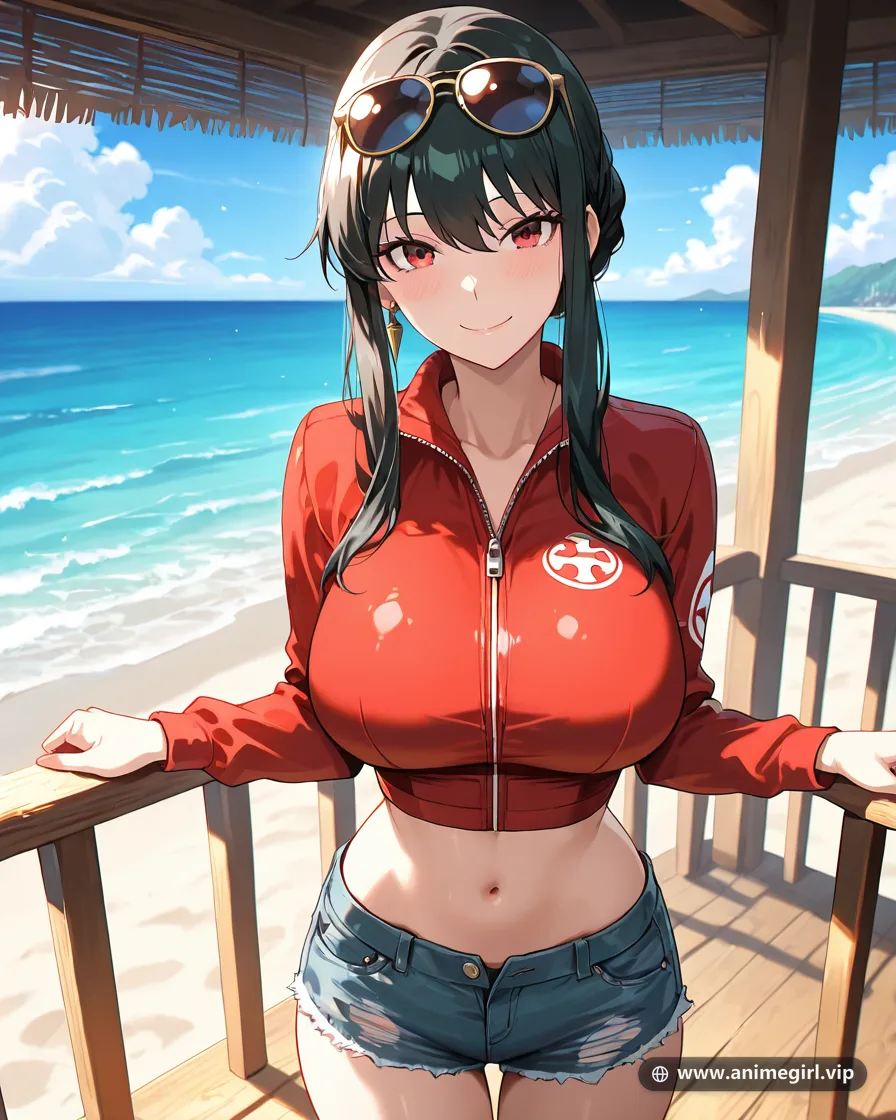
When browsing AI anime art communities, a glaring pattern quickly emerges: over 90% of all generated images use the exact same composition. The character stands rigidly dead-center, looking straight ahead into the virtual camera lens at eye level. While this standard passport-photo framing works adequately for simple character design sheets, it completely drains illustrations of cinematic emotion, dramatic tension, and storytelling depth.
In anime film production—from the legendary camera choreography of Satoshi Kon to the dynamic kinetic blocking of Makoto Shinkai—the camera is an emotional narrator. Where you place the lens dictates how the audience feels about the character. By incorporating professional cinematography terms into your AI prompts, you can instantly break free of boring center-framed portraits. Here are the 10 essential anime camera angles and how to prompt them with precision.
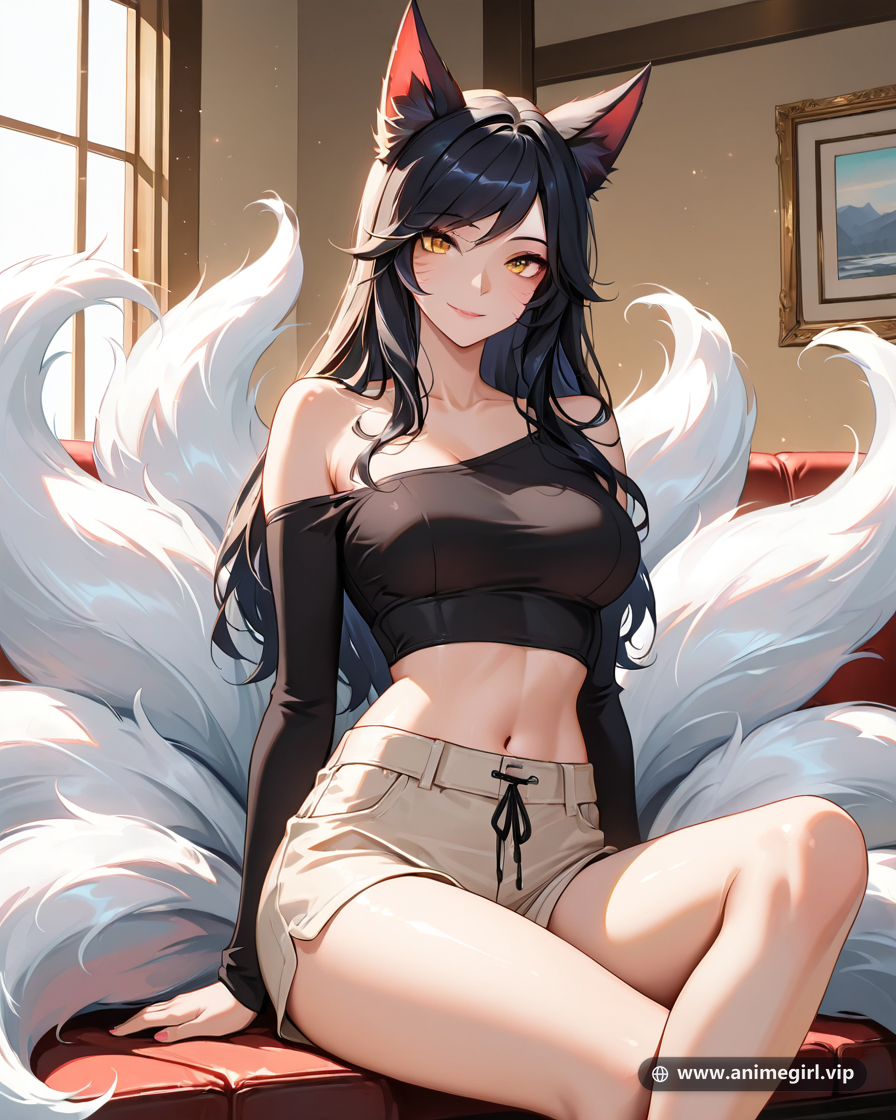
1. The Dutch Angle / Tilted Horizon (Psychological Tension)
The Dutch Angle tilts the camera diagonal relative to the horizon line. In anime, it is used during moments of psychological breakdown, disorientation, or supernatural danger (a hallmark of Chainsaw Man and Puella Magi Madoka Magica).
- Prompt Keywords:
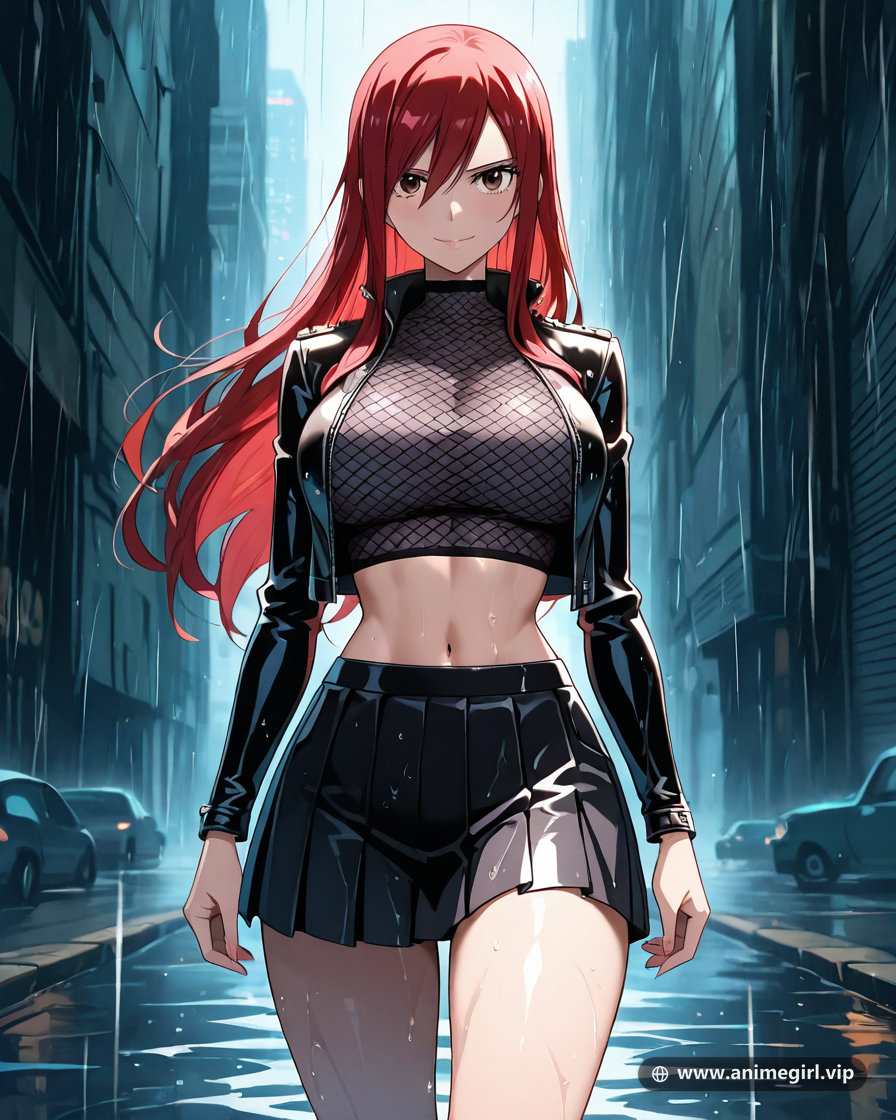
dutch angle shot, canted horizon angle, dramatic tilted camera perspective, off-kilter framing. - Best Paired With: Unsettling rainy street corners, towering abandoned alleyways, intense villain monologues.
dutch angle, 1girl standing in rainy neon alleyway, tilted horizon, dramatic perspective, dark psychological anime thriller style2. Extreme Low-Angle Worm's-Eye View (Heroic Power & Dominance)
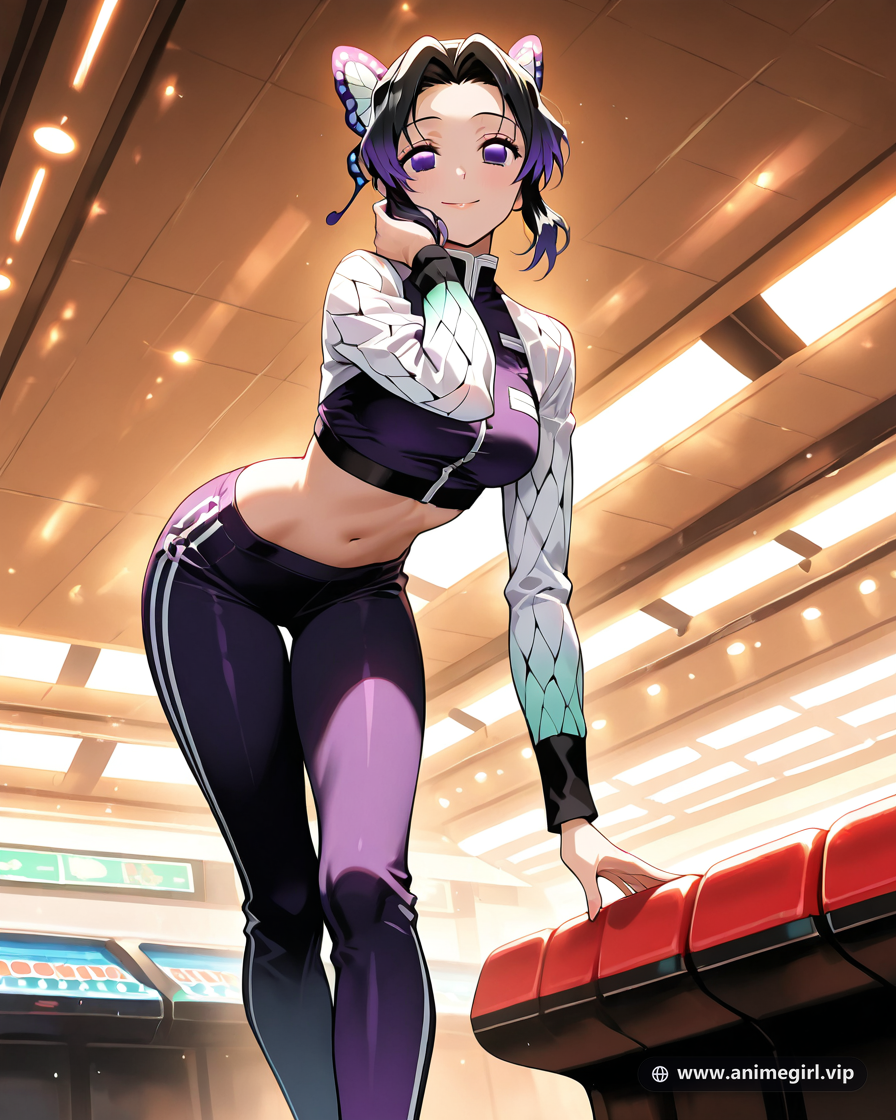
Placing the camera near the ground looking up exaggerates a character's height, presence, and commanding authority. It turns the character into an imposing monolith against the sky or ceiling.
- Prompt Keywords:
extreme low angle shot, worm's-eye view looking up, ground-level perspective, towering heroic stance, expansive dramatic sky backdrop. - Best Paired With: S-Rank hunters, guild leaders, towering swords drawn, flowing cloaks billowing into the clouds.
3. High-Angle Bird's-Eye View (Vulnerability & Isolation)
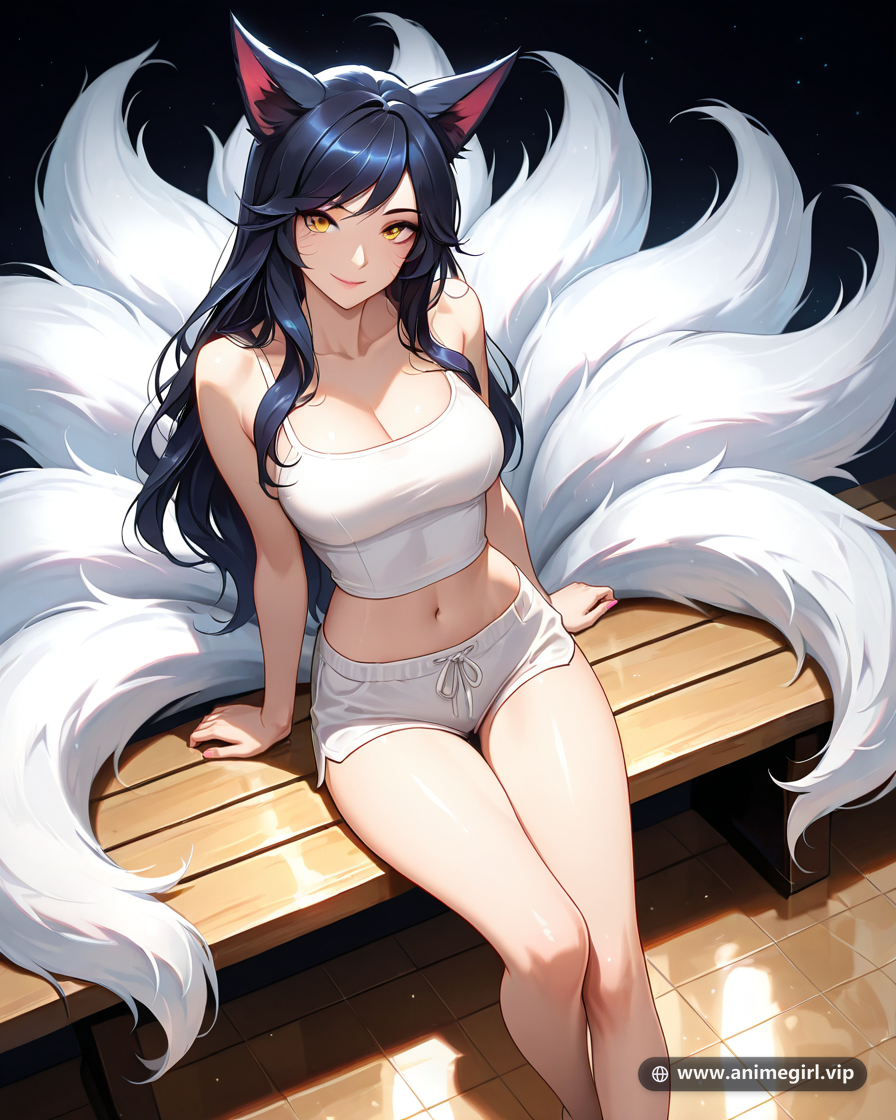
Looking down on a character from above diminishes their physical scale, creating an immediate sense of emotional vulnerability, solitude, or peaceful introspection.
- Prompt Keywords:
high angle shot looking down from above, bird's-eye perspective, steep overhead angle, small character in vast landscape. - Best Paired With: Lying in blooming flower meadows, sitting on a lonely dock staring into calm waters, curls of hair fanning across bedsheets.
4. Forced Perspective with Extreme Foreshortening (Impact & Depth)
Forced perspective places one object (such as a hand reaching out or a sword tip) dramatically close to the wide-angle camera lens, making it appear colossal while the character's body recedes rapidly into the distance.
- Prompt Keywords:
dynamic forced perspective, extreme foreshortening, hand reaching toward camera lens in extreme close-up, wide-angle lens distortion, focal depth. - Best Paired With: Hand reaching out to save the viewer, punching toward the screen, pointing a weapon directly down the lens.
5. The Cowboy Shot / American Shot (Balanced Heroic Silhouette)
Framing the character from mid-thigh up to just above the head. Named after classic Western cinema, this framing is the holy grail for anime action heroines because it captures both full facial expressions and holstered weapons or belt accessories.
- Prompt Keywords:
cowboy shot, three-quarter mid-thigh framing, balanced cinematic composition, character design showcase. - Best Paired With: Hunters with waist scabbards, tactical netrunners, stylish streetwear portraits.
6. Over-the-Shoulder (OTS) Framing (Narrative Connection)
Positioning the camera behind another character's shoulder, framing the primary subject between their neck and silhouette. It instantly tells the viewer: "This is an intimate conversation between two people."
- Prompt Keywords:
over-the-shoulder shot, view framed past silhouette of person in foreground, deep conversational depth of field, focused subject in background. - Best Paired With: Romance confessions, tense standoff negotiations, quiet cafe table dialogues.
7. The Panoramic Environmental Key Visual (Sense of Scale)
Rather than dominating the canvas, the anime girl occupies only 15% to 25% of the frame, embedded within a breathtaking natural or architectural expanse.
- Prompt Keywords:
wide-angle panoramic shot, environmental anime key visual, tiny silhouette in vast ancient ruins, expansive cloudscape, Makoto Shinkai background depth. - Best Paired With: High fantasy wanderers, post-apocalyptic ruin explorers, cliffside ocean overlooks.
8. The Intimate Macro Iris Close-Up (Raw Emotion)
Pushing the lens into an extreme macro close-up, capturing only the eyes, bridge of the nose, and bangs. Every emotion is magnified exponentially.
- Prompt Keywords:
extreme macro close-up shot of face and eyes, cinematic letterbox framing, detailed glossy anime iris reflections, single crystalline tear falling. - Best Paired With: Moment of magical realization, heartbreak, deep romantic eye contact.
9. The Dutch Low-Angle Action Tracking Shot (Speed & Velocity)
Combining the tilted Dutch horizon with low-angle framing and motion blur creates an irresistible sensation of frantic sprint or combat maneuvering.
- Prompt Keywords:
tilted low angle tracking shot, mid-dash forward sprint, diagonal composition, dynamic wind streaks, motion blur on pavement, sharp focus on eyes. - Best Paired With: Running late with toast in mouth, fleeing through midnight rain, leaping across rooftops.
10. The Mirrored Reflection Angle (Introspection & Duality)
Framing the character through a reflective surface—a shattered mirror, a rain puddle, or a cafe window pane—creating a dual image of the character looking back at herself.
- Prompt Keywords:
shot framed through rain puddle reflection on street, dual reflection in mirror, split psychological portrait, atmospheric water caustics. - Best Paired With: Secret assassins questioning their mission, magical girls gazing at their reflections, melancholic rainy night commutes.
Composition Comparison Table
| Camera Angle | Primary Emotion | Best Aspect Ratio |
|---|---|---|
| Dutch Angle | Tension, instability, thrill | 4:5 Feed or 16:9 Wide |
| Low Angle (Worm's Eye) | Heroism, dominance, power | 9:16 Fullscreen Story |
| High Angle (Bird's Eye) | Vulnerability, quiet solitude | 4:5 Feed or 1:1 Square |
| Forced Perspective | Intimacy, kinetic reach, impact | 4:5 Feed |
Negative Prompting for Dynamic Framing
To prevent AI models from snapping back to default passport-style portraits, purge these tokens:
static pose, passport photo, centered composition, front-facing mugshot, stiff standing pose, flat eye-level camera, boring composition, blurry background
Conclusion: Becoming the Virtual Director
True art is not just who you draw; it is how you frame them. By treating your AI prompt as a camera tripod with adjustable heights, tilts, and focal lengths, you elevate your creations from simple digital stickers into cinematic frames worthy of the silver screen.
The Art Direction Philosophy Behind Cinematic Anime Composition
When veteran animation directors, key animators (genga artists), and digital illustrators approach Cinematic Anime Composition, they never treat the frame as a static photograph. In Japanese visual storytelling, every square inch of the canvas participates in an emotional dialogue with the viewer. From the thickness of the outer contour linework to the subtle temperature shift between sunlit highlights and ambient shadow cores, the goal of 10 Camera Angles That Elevate Flat Illustrations is to create a sense of living presence—the feeling that the character just took a breath a split-second before the shutter clicked.
Historically, during the cel-animation era of the late 1980s and 1990s, background painters working in gouache and poster color had to rely on dramatic value contrast to separate a heroine from her environment. Today, modern digital compositing pipelines—pioneered by studios like Kyoto Animation, Ufotable, CloverWorks, Wit Studio, and MAPPA—combine multi-plane camera depth with volumetric light scattering, delicate lens bloom, and chromatic rim highlights. Yet the fundamental rule remains unchanged: silhouette clarity and eye expression govern the entire composition.
Color Psychology, Subsurface Scattering & Atmospheric Depth
Why do certain anime illustrations stop you mid-scroll while others feel flat or artificial? The secret lies in how light interacts with skin, hair, and fabric at the microscopic level—a phenomenon digital painters call subsurface scattering (SSS) and chromatic shadow transition:
- The Warm Blood-Tone Terminator Line: On porcelain or sun-kissed anime skin, the boundary where direct light meets shadow (the terminator) should never be a muddy grey line. Introducing a soft coral-pink or warm peach saturation band along cheek and collarbone shadows makes the character look warm and alive.
- Hair Translucency Against Backlight: When a character stands in front of a sunset window, neon billboard, or moonlit sky, individual flyaway hair strands and bangs become semi-translucent. Prompting for
sunlight glowing through translucent bangs, fine floating hair strands, angel-ring hair specularrecreates this signature anime artbook polish. - Environmental Color Bounce: A heroine standing in a verdant summer meadow absorbs soft emerald bounce light along the underside of her jaw and sleeves; the same heroine on a rain-slicked cyberpunk balcony absorbs magenta and cyan reflections from wet asphalt puddles below.
Step-by-Step Studio Director Workflow: From Concept to Master Render
To get consistent, publication-ready illustrations inspired by Cinematic Anime Composition: 10 Camera Angles That Elevate Flat Illustrations inside the AnimeGirl.vip Studio, follow this four-stage creative director workflow used by top community artists:
- Stage 1 — Lock the Silhouette in 4:5 Feed Mode First: Before adding complex weather particles or background architecture, test your core character identity and outfit tokens in 4:5 Portrait mode (896×1152). Verify that the hair cut, eye color, and primary garment shader read cleanly at thumbnail size.
- Stage 2 — Introduce a Narrative Prop or Hand Gesture: Static arms hanging at the sides drain energy from a portrait. Give your heroine a purposeful action—holding a steaming teacup, resting fingers on a katana hilt, adjusting half-rim spectacles, or conjuring a luminous spell orb. Not only does this tell a story, it also anchors five-finger hand anatomy.
- Stage 3 — Apply Dual-Source Studio Lighting: Pair a primary warm directional key light (golden sunset, candle lantern, or amber café bulb) with a secondary cool rim light (moonlight, cyan rain reflection, or arcane glow) to carve the silhouette out from the backdrop.
- Stage 4 — Scale Up with 4x Batch & 9:16 Story Format: Once your prompt formula is dialed in, use Creator Tier’s ($9.99/mo) 9:16 Vertical Story Format (768×1344) and 4x Batch mode to generate full-screen mobile lockscreens with clean upper-sky negative space for smartphone clock widgets and zero watermarks.
Want Unwatermarked Master Renders, 9:16 Lockscreens & Commercial Rights?
Try any prompt from this guide free in our AI Anime Studio, or upgrade to Premium ($5.99/mo — 50 daily creations) or Creator ($9.99/mo — 100 daily creations + 9:16 vertical Story mode) with Priority GPU Queue, zero watermarks, private cloud storage, and full commercial licensing.
Frequently Asked Questions
What is the single best prompt to make an anime character look powerful?
Use 'extreme low-angle worm's-eye view shot looking up' combined with 'towering heroic stance' and 'expansive dramatic sky backdrop'. This forces the camera near ground level looking up.
How can I avoid getting the exact same boring centered portrait every time?
Ban 'centered composition, front-facing mugshot, passport photo' in your negative prompt, and specify a clear camera angle like 'dutch angle', 'cowboy shot', or 'high-angle shot from above'.
What aspect ratio works best with low-angle shots?
9:16 (768×1344) works best because the tall vertical canvas accentuates the towering height and dramatic vertical perspective of the character.
Can I test these camera angles for free on AnimeGirl.vip?
Yes! AnimeGirl.vip lets you test camera angle prompts immediately with 2 free guest generations and daily free credits.
Discussion & Insights 4
What are your thoughts on Cinematic Anime Composition: 10 Camera Angles That Elevate Flat Illustrations? Share your perspective, theories, or favorite moments below!
Leave a Thought
Join the discussion — be respectful and enjoy the anime banter.