 AnimeGirl.vip
Why The Apothecary Diaries and Maomao Are a Breath of Fresh Air in Anime
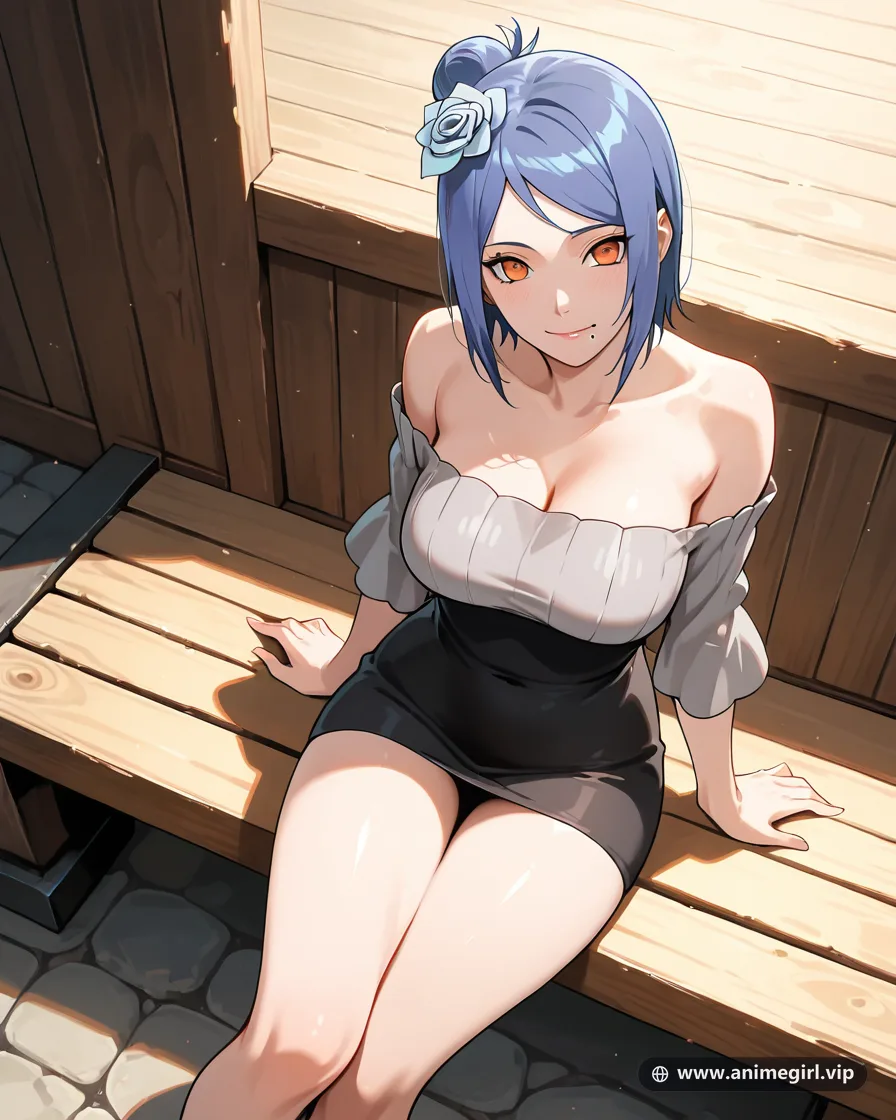
In an anime industry often saturated with conventional romantic comedy formulas and submissive female leads, The Apothecary Diaries (Kusuriya no Hitorigoto) delivered one of the most refreshing, intellectually captivating protagonists in decades. Based on the celebrated light novel series by Natsu Hyuuga and brought to life in an exquisite anime adaptation by TOHO animation and OLM, the story transports viewers into the luxurious, lethal labyrinth of an imperial inner palace inspired by ancient China.
At the center of this web of political intrigue, concubine rivalries, and royal poisonings is Maomao: a practical, sharp-witted young apothecary whose obsession with toxins and forensic science makes her utterly unique among modern anime heroines.
The Apothecary Raised Among Courtesans
Maomao's distinct worldview was forged in the pleasure quarters (the Rokushoukan), where she was raised by her adoptive father Luomen—a brilliant physician exiled from the palace. Growing up surrounded by high-ranking courtesans, Maomao developed an unromantic, clinical understanding of human nature, physical health, and the cruel economic realities imposed on women.
Kidnapped by bandits and sold into the Imperial Rear Palace as a lowly laundry servant, Maomao's initial strategy is simple: keep her head down, act like an illiterate peasant, and quietly wait out her two-year contract so she can return to brewing herbal concoctions. She harbors zero desire to catch the Emperor's eye, climb the social ladder, or become an influential palace figure.
However, Maomao possesses an irresistible Achilles' heel: an insatiable scientific curiosity and an unshakeable ethical inability to watch innocent children die from preventable medical ignorance.
The Poison Tester with a Twisted Obsession
When the infants of the Emperor's top concubines begin mysteriously falling ill, Maomao immediately deduces the culprit: poisonous lead powder contained in the imported white cosmetic face foundation used by the noble consorts and their wet nurses. Leaving an anonymous warning written in charcoal on a cloth, she inadvertently saves the life of Lady Gyokuyou's baby princess.
This act of brilliance brings her to the attention of Jinshi, the palace administrator, who promotes her to Lady Gyokuyou's official poison taster. What would be a terrifying death-sentence job for any other servant is pure paradise for Maomao.
Having spent years deliberately ingesting snake venom, toxic herbs, and jellyfish stings to build physiological immunity and record their effects on her own body, Maomao greets potentially poisoned royal banquets with flushed cheeks and starry-eyed ecstasy. Her unhinged, joyous reactions to tasting deadly toxins stand as some of the most hilarious, iconic moments of the series.
The Electrifying Dynamic Between Maomao and Jinshi
The relationship between Maomao and the celestial palace manager Jinshi is a glorious subversion of traditional romantic tropes:
Jinshi is blessed with an ethereal, androgynous beauty so intoxicating that both court ladies and male guards regularly swoon in his presence. Having grown accustomed to superficial adoration and manipulative flattery, Jinshi is utterly floored when he encounters Maomao—who looks upon his radiant smiles with the same disgusted expression one might give a slimy caterpillar crawling across a dinner plate.
Maomao sees through his performative charm immediately, recognizing the dangerous political power games attached to his persona. In turn, Jinshi finds himself helplessly captivated by Maomao's brilliant mind, blunt honesty, and complete indifference to his royal allure. Their banter crackles with wit, grounded in mutual intellectual respect rather than forced melodrama.
Forensic Science in a Historical Setting
What sets The Apothecary Diaries apart from typical historical palace dramas is its commitment to genuine scientific deduction. Rather than relying on magical intuition, Maomao solves mysteries using practical chemistry, biology, and pharmacology:
- Botulism in infant honey: Exposing why feeding raw honey to babies causes catastrophic infant mortality due to undeveloped digestive flora.
- Tetrodotoxin and apparent death: Unraveling a fraudulent burial plot where an official used blowfish poison to enter a state of suspended animation.
- Flame test spectroscopy: Solving an attempted palace arson by identifying color-changing chemical reactions caused by dried seaweed and mineral salts.
- Wheat flour explosions: Explaining catastrophic kitchen warehouse fires through industrial dust ignition.
A Poignant Exploration of Women's Realities
Beyond its detective puzzles, the narrative treats the lives of the imperial concubines—Lady Gyokuyou, Lady Lihua, Lady Ah-Duo, and Lady Lishu—with immense empathy. Rather than depicting them as cartoonish, jealous catfighters, the series highlights how each consort is a human being trapped in a gilded cage, carrying the impossible burden of producing a male heir while navigating court gossip, miscarriage grief, and constant threats of assassination.
Maomao treats these noble women not with sycophantic reverence, but as patients deserving of dignified medical care, protection, and emotional understanding.
Conclusion: Why Maomao Represents Anime Heroines at Their Best
Maomao does not need superhuman powers, magical swords, or a chosen-one prophecy to command the screen. She dominates The Apothecary Diaries through intelligence, relentless scientific curiosity, and an unapologetic fidelity to her true self. In doing so, she has rightfully earned her place among the most celebrated, iconic female protagonists in the history of anime.
Prompt Engineering Architecture & Visual Token Hierarchy
When translating the concepts of Why The Apothecary Diaries and Maomao Are a Breath of Fresh Air in Anime into actual AI anime illustrations inside the AnimeGirl.vip Studio, token ordering determines 80% of your final image fidelity. Modern anime diffusion pipelines evaluate tokens with front-loaded attention weighting: words placed in the first 15 to 20 tokens establish the non-negotiable structural skeleton (character identity, silhouette, and camera framing), while tokens in the middle control wardrobe textures and environmental props, and trailing tokens govern color grading and atmospheric post-processing.
To prevent "attribute bleed"—where hair color accidentally tints the character's clothing or background—always separate your subject anchor from your environment using clear comma-delimited phrases. For example, if you are illustrating Makima from Chainsaw Man, lock in her signature traits before introducing secondary lighting colors or complex backgrounds from our #chainsaw-man gallery.
The 6-Layer Studio Prompt Blueprint
- Layer 1 — Canonical Subject Anchor: Name the character and source series explicitly, or define the archetype's core hair cut, hair color, and eye geometry (e.g., Makima from Chainsaw Man, braided auburn hair, golden ringed eyes, tailored black trench coat).
- Layer 2 — Camera Distance & Angle: Specify close-up portrait for 1:1 avatars, medium cowboy shot for outfit showcases, or full-body low-angle for vertical 9:16 mobile lockscreens.
- Layer 3 — Wardrobe & Fabric Physics: Pair garment names with material shaders such as matte wool trench coat, iridescent silk kimono, brushed silver knight armor, or ribbed knit sweater.
- Layer 4 — Pose & Hand Prop Anchor: Give the character's hands a natural focal task—holding a teacup, resting on a katana hilt, adjusting glasses, or casting a glowing spell orb—to guarantee clean five-finger anatomy.
- Layer 5 — Environment & Depth of Field: Establish foreground particles (cherry blossoms, rain droplets, embers) and a softly blurred background (cinematic bokeh, shallow depth of field) so the character pops off the canvas.
- Layer 6 — Lighting & Studio Quality Polish: Finish with two complementary light sources—such as warm golden-hour key light paired with cool cyan rim lighting—plus masterpiece anime illustration, crisp cel-shaded linework.
Copy-and-Paste Studio Prompt Formulations
Use any of the tested prompt templates below directly in our Free Anime Prompt Generator or click Generate in Studio ✦ to render your own high-resolution variation:
1. Cinematic Golden-Hour Portrait Formula
Makima from Chainsaw Man, braided auburn hair, golden ringed eyes, tailored black trench coat, medium portrait framing, gentle confident expression looking at viewer, warm golden hour sunset sunlight with soft lens flare, floating dust motes, shallow depth of field bokeh background, masterpiece anime illustration, crisp linework, high detail eyes2. Nocturnal Neon & Chiaroscuro Atmosphere
Makima from Chainsaw Man, braided auburn hair, golden ringed eyes, tailored black trench coat, standing on a rain-slicked balcony at night, dramatic cyan and magenta neon rim lighting contrasting with deep shadows, wet glass reflections, cinematic anime key visual, vibrant color grading3. Full-Scene 9:16 Vertical Wallpaper Composition
Makima from Chainsaw Man, braided auburn hair, golden ringed eyes, tailored black trench coat, full body vertical framing with generous sky negative space above head for phone lockscreen clock, sweeping atmospheric clouds and glowing particles, ultra-detailed anime wallpaper artLighting, Color Theory & Aspect Ratio Comparison
Choosing the right combination of aspect ratio and lighting palette dramatically changes how your illustration performs across social platforms, desktop setups, and mobile lockscreens:
| Use Case | Recommended Framing | Best Lighting Palette | Studio Tier Feature |
|---|---|---|---|
| Discord / TikTok / X PFP | 1:1 Square, Close-Up Face & Shoulders | High-contrast rim light + dark background | Free & Guest Tiers (Instant) |
| Character Outfit Showcase | 4:5 Portrait, Medium Cowboy Shot | Soft dual-tone studio key + fill light | Premium ($5.99) — Clean, No Watermark |
| iOS / Android Lockscreen & Reels | 9:16 Story (768×1344), Upper Sky Negative Space | OLED deep blacks + luminous particle glow | Creator ($9.99) — Exclusive 9:16 Mode |
Common Mistakes to Avoid & Pro Studio Tips
- Overloading Conflicting Style Tags: Avoid mixing 1990s retro VHS cel shading with 3D Unreal Engine render in the same prompt. Pick one unified rendering aesthetic so line weights and skin shading remain cohesive.
- Forgetting Eye Catchlights: The soul of any anime portrait lives in the iris. Adding detailed expressive eyes, crisp catchlights, subtle iris gradient immediately elevates facial appeal.
- Ignoring Background Value Contrast: If your character has dark hair (like Yor Forger or Nico Robin), add a warm golden or cyan rim light behind her silhouette so her hair doesn't merge into a dark night sky.
- Iterating Faster with Priority Queue: When refining a character concept for a light novel cover, VTuber debut, or wallpaper pack, upgrading to Premium ($5.99/mo) or Creator ($9.99/mo) unlocks 50 to 100 daily generations, Priority GPU Queue, unwatermarked master downloads, and full commercial usage rights.
The Art Direction Philosophy Behind Why The Apothecary Diaries and Maomao Are a Breath of Fresh Air in Anime
When veteran animation directors, key animators (genga artists), and digital illustrators approach Why The Apothecary Diaries and Maomao Are a Breath of Fresh Air in Anime, they never treat the frame as a static photograph. In Japanese visual storytelling, every square inch of the canvas participates in an emotional dialogue with the viewer. From the thickness of the outer contour linework to the subtle temperature shift between sunlit highlights and ambient shadow cores, the goal of Visual Aesthetics, Lore & Studio Direction is to create a sense of living presence—the feeling that the character just took a breath a split-second before the shutter clicked.
Historically, during the cel-animation era of the late 1980s and 1990s, background painters working in gouache and poster color had to rely on dramatic value contrast to separate a heroine from her environment. Today, modern digital compositing pipelines—pioneered by studios like Kyoto Animation, Ufotable, CloverWorks, Wit Studio, and MAPPA—combine multi-plane camera depth with volumetric light scattering, delicate lens bloom, and chromatic rim highlights. Yet the fundamental rule remains unchanged: silhouette clarity and eye expression govern the entire composition.
Color Psychology, Subsurface Scattering & Atmospheric Depth
Why do certain anime illustrations stop you mid-scroll while others feel flat or artificial? The secret lies in how light interacts with skin, hair, and fabric at the microscopic level—a phenomenon digital painters call subsurface scattering (SSS) and chromatic shadow transition:
- The Warm Blood-Tone Terminator Line: On porcelain or sun-kissed anime skin, the boundary where direct light meets shadow (the terminator) should never be a muddy grey line. Introducing a soft coral-pink or warm peach saturation band along cheek and collarbone shadows makes the character look warm and alive.
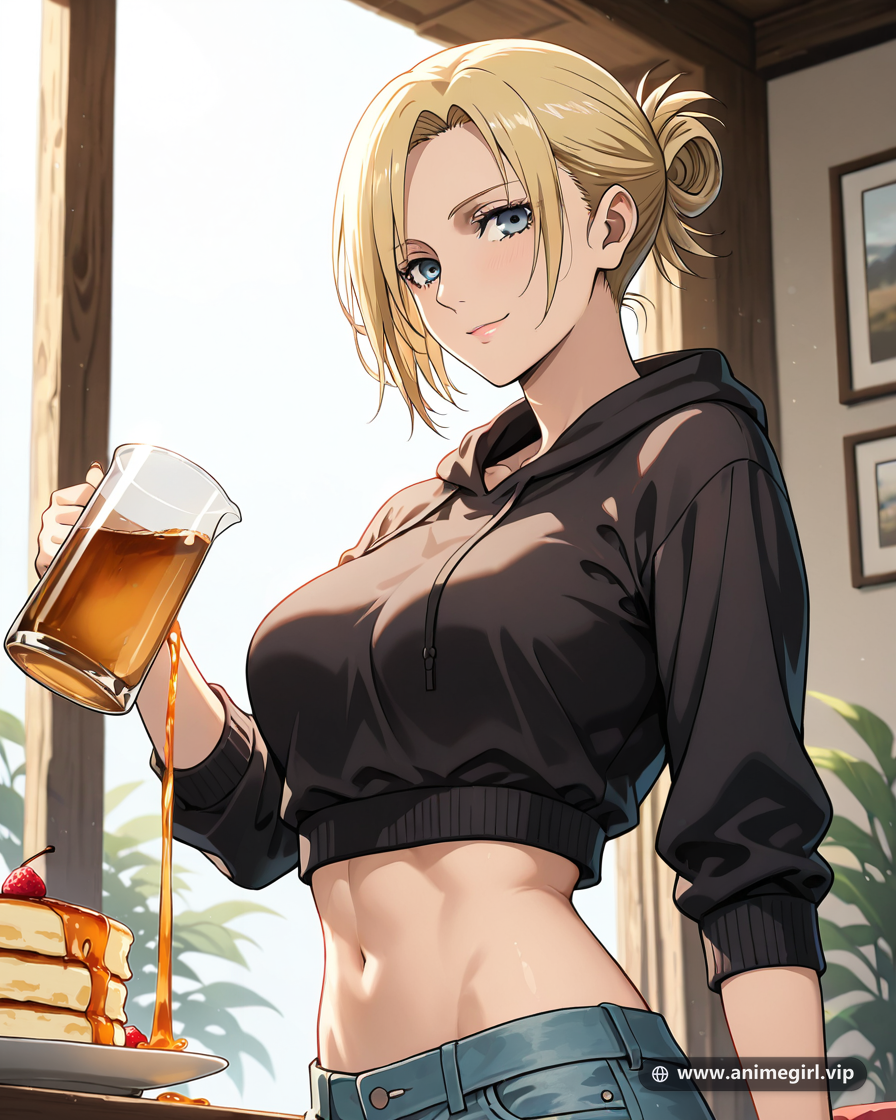
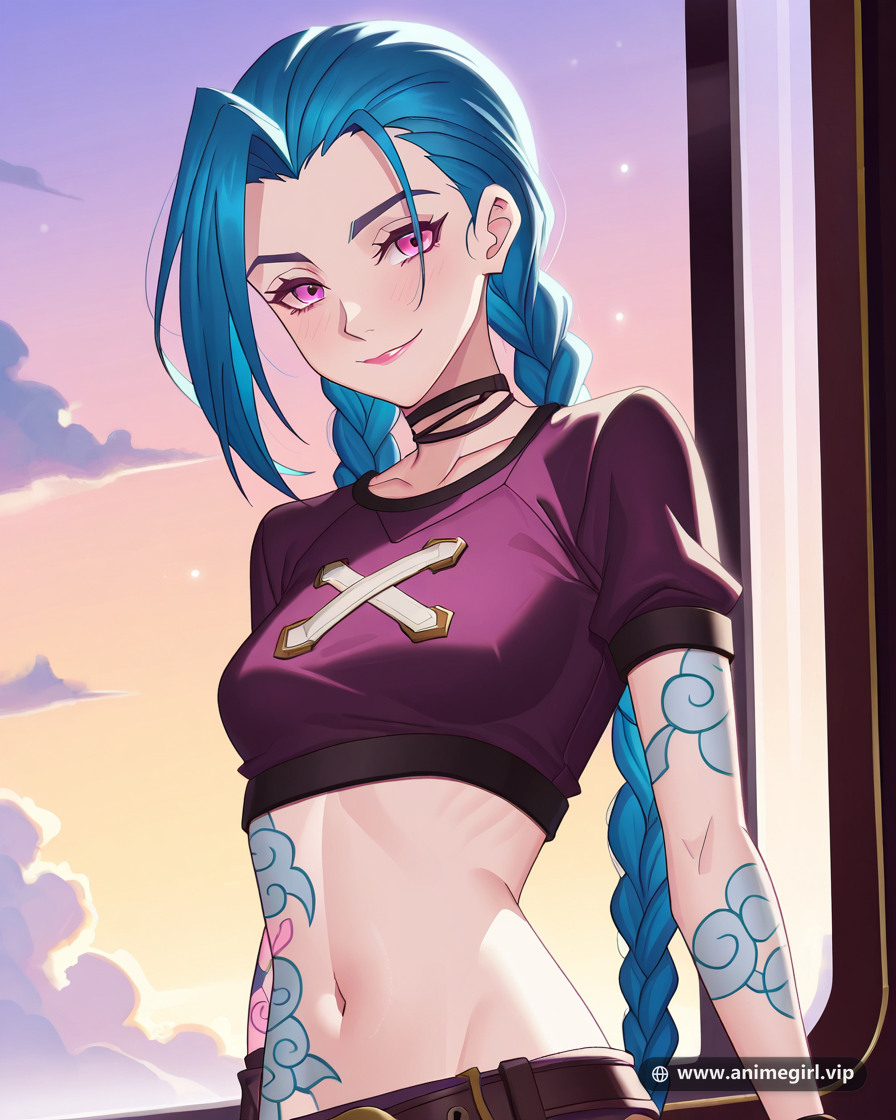
- Hair Translucency Against Backlight: When a character stands in front of a sunset window, neon billboard, or moonlit sky, individual flyaway hair strands and bangs become semi-translucent. Prompting for
sunlight glowing through translucent bangs, fine floating hair strands, angel-ring hair specularrecreates this signature anime artbook polish. - Environmental Color Bounce: A heroine standing in a verdant summer meadow absorbs soft emerald bounce light along the underside of her jaw and sleeves; the same heroine on a rain-slicked cyberpunk balcony absorbs magenta and cyan reflections from wet asphalt puddles below.
Step-by-Step Studio Director Workflow: From Concept to Master Render
To get consistent, publication-ready illustrations inspired by Why The Apothecary Diaries and Maomao Are a Breath of Fresh Air in Anime inside the AnimeGirl.vip Studio, follow this four-stage creative director workflow used by top community artists:
- Stage 1 — Lock the Silhouette in 4:5 Feed Mode First: Before adding complex weather particles or background architecture, test your core character identity and outfit tokens in 4:5 Portrait mode (896×1152). Verify that the hair cut, eye color, and primary garment shader read cleanly at thumbnail size.
- Stage 2 — Introduce a Narrative Prop or Hand Gesture: Static arms hanging at the sides drain energy from a portrait. Give your heroine a purposeful action—holding a steaming teacup, resting fingers on a katana hilt, adjusting half-rim spectacles, or conjuring a luminous spell orb. Not only does this tell a story, it also anchors five-finger hand anatomy.
- Stage 3 — Apply Dual-Source Studio Lighting: Pair a primary warm directional key light (golden sunset, candle lantern, or amber café bulb) with a secondary cool rim light (moonlight, cyan rain reflection, or arcane glow) to carve the silhouette out from the backdrop.
- Stage 4 — Scale Up with 4x Batch & 9:16 Story Format: Once your prompt formula is dialed in, use Creator Tier’s ($9.99/mo) 9:16 Vertical Story Format (768×1344) and 4x Batch mode to generate full-screen mobile lockscreens with clean upper-sky negative space for smartphone clock widgets and zero watermarks.
Want Unwatermarked Master Renders, 9:16 Lockscreens & Commercial Rights?
Try any prompt from this guide free in our AI Anime Studio, or upgrade to Premium ($5.99/mo — 50 daily creations) or Creator ($9.99/mo — 100 daily creations + 9:16 vertical Story mode) with Priority GPU Queue, zero watermarks, private cloud storage, and full commercial licensing.
Frequently Asked Questions
What is Maomao's personality like in The Apothecary Diaries?
Maomao is pragmatic, highly observant, emotionally detached from court vanity, and fiercely intelligent. She has an eccentric obsession with poisons, medicines, and scientific testing, often experimenting on herself.
Why does Maomao dislike Jinshi at first?
Maomao dislikes Jinshi's manipulative charm and knows that being noticed by a high-ranking palace official brings dangerous court gossip and political peril. She prefers to keep a low profile.
Is The Apothecary Diaries historically accurate?
The story takes place in a fictionalized fantasy realm heavily inspired by Tang and Ming dynasty China. While the setting is fictional, the medicinal, chemical, and forensic principles Maomao employs are grounded in real science.
Who voices Maomao in the anime adaptation?
Maomao is voiced by acclaimed voice actress Aoi Yuuki (famous for voicing Madoka Kaname in Madoka Magica, Tanya Degurechaff in Saga of Tanya the Evil, and Tsuyu Asui in My Hero Academia).
Discussion & Insights 7
What are your thoughts on Why The Apothecary Diaries and Maomao Are a Breath of Fresh Air in Anime? Share your perspective, theories, or favorite moments below!
Leave a Thought
Join the discussion — be respectful and enjoy the anime banter.