 AnimeGirl.vip
The Dandadan Phenomenon: Why Momo Ayase and Okarun Captured the Anime World
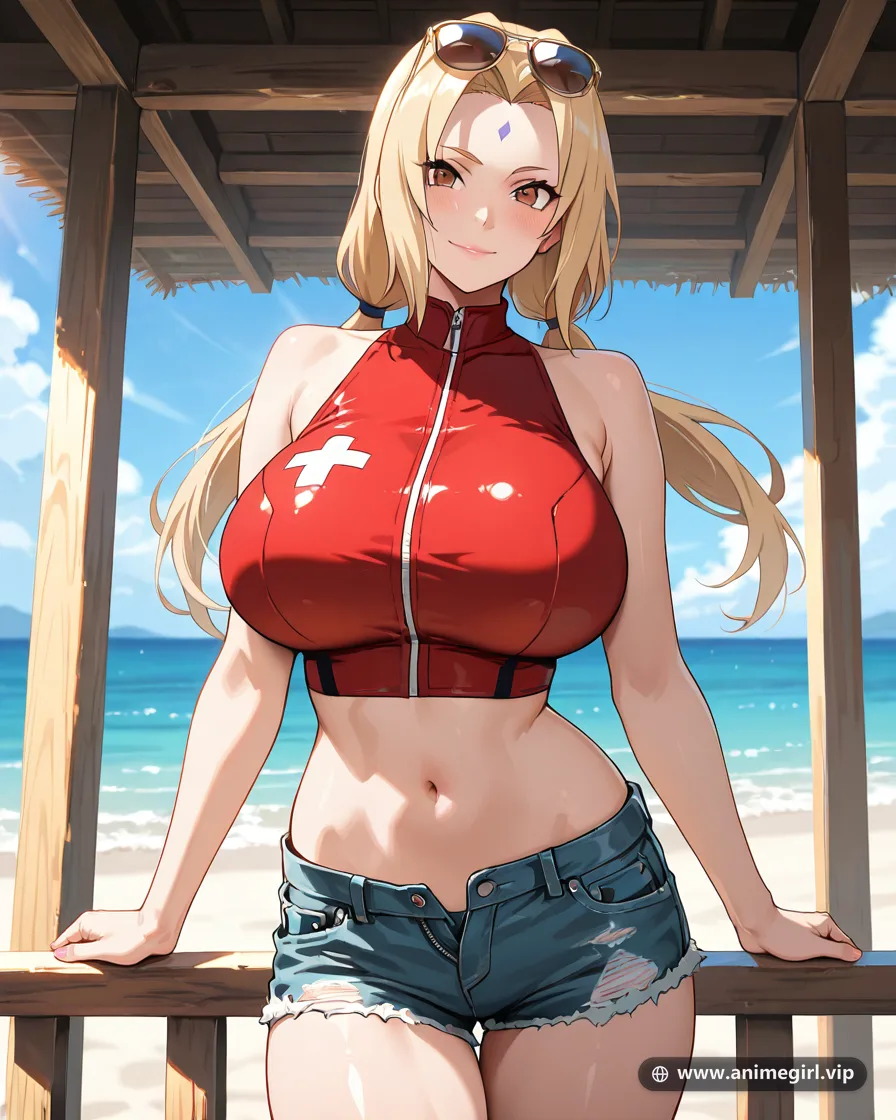
Every few years, an anime arrives that doesn't merely ride the current pop-culture zeitgeist—it grabs it by the collar and hurls it into overdrive. In the fall of 2024, that anime was Dandadan. Adapted from the wildly inventive manga by Yukinobu Tatsu (a former assistant to Tatsuki Fujimoto on Chainsaw Man and Yuji Kaku on Hell's Paradise) and animated by the visionary artisans at Science SARU, Dandadan instantly captured global social feeds and critical acclaim.
While the show dazzles with hyper-kinetic action sequences, body horror, and absurd humor, the true bedrock of its runaway success lies in its irresistible central duo: the spirited gyaru Momo Ayase and the socially awkward occult nerd Ken Takakura (affectionately dubbed "Okarun").
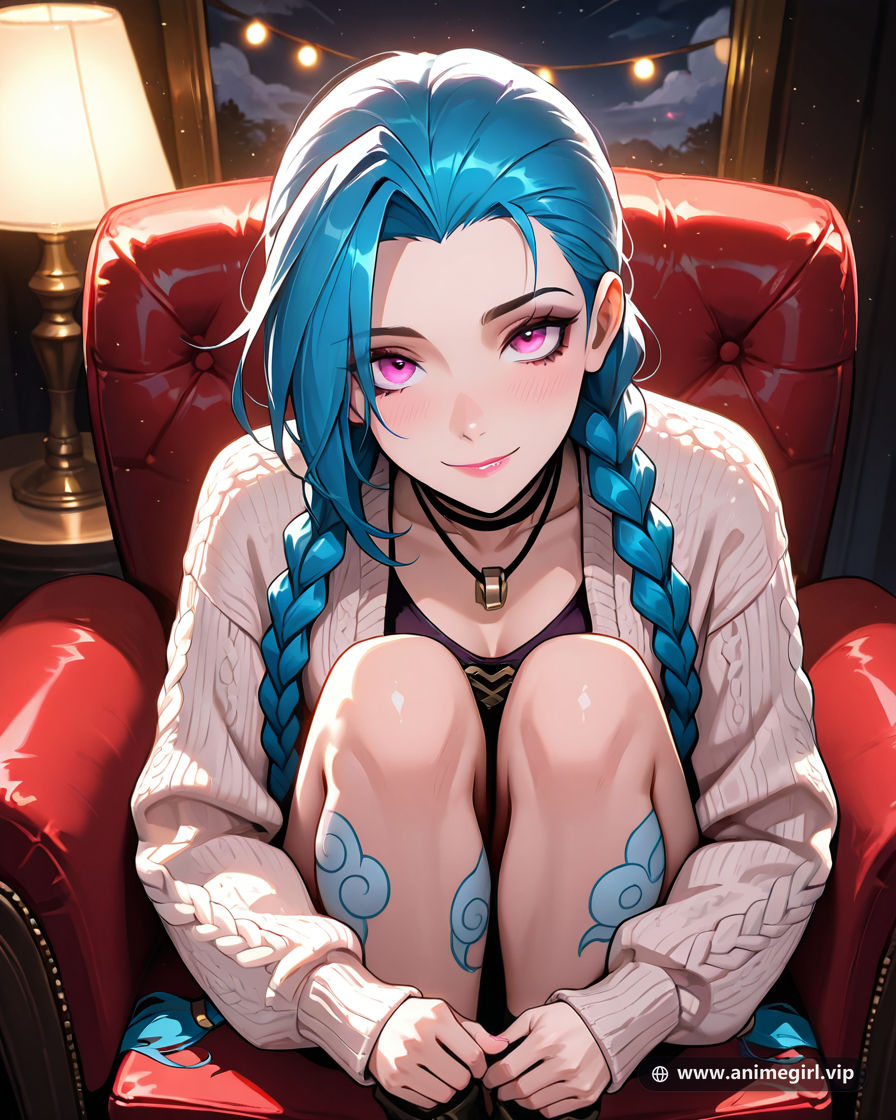
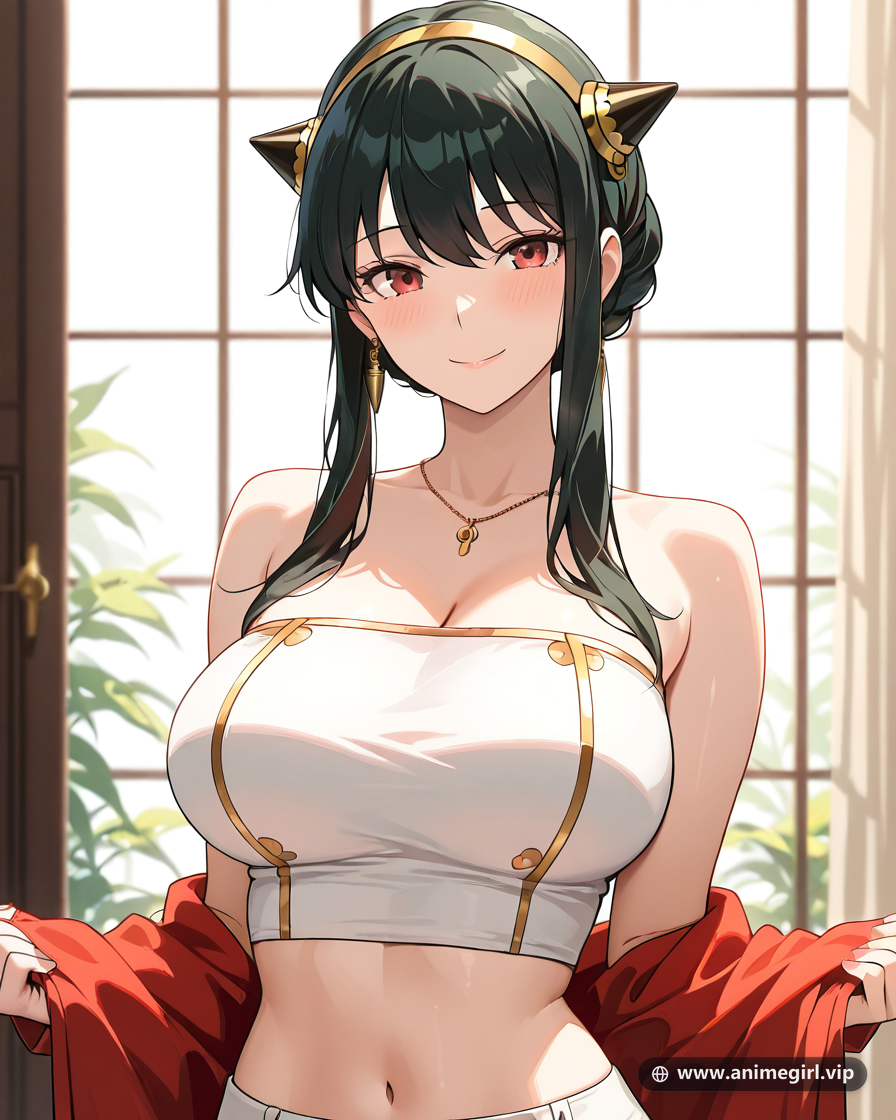
Momo Ayase: The Ultimate Modern Shonen Heroine
In traditional shonen narratives, female leads are all too often relegated to reactive sidelines—waiting to be rescued, serving as emotional cheerleaders, or relegated to generic romantic archetypes. Momo Ayase shatters every single one of these outdated molds within the opening ten minutes.
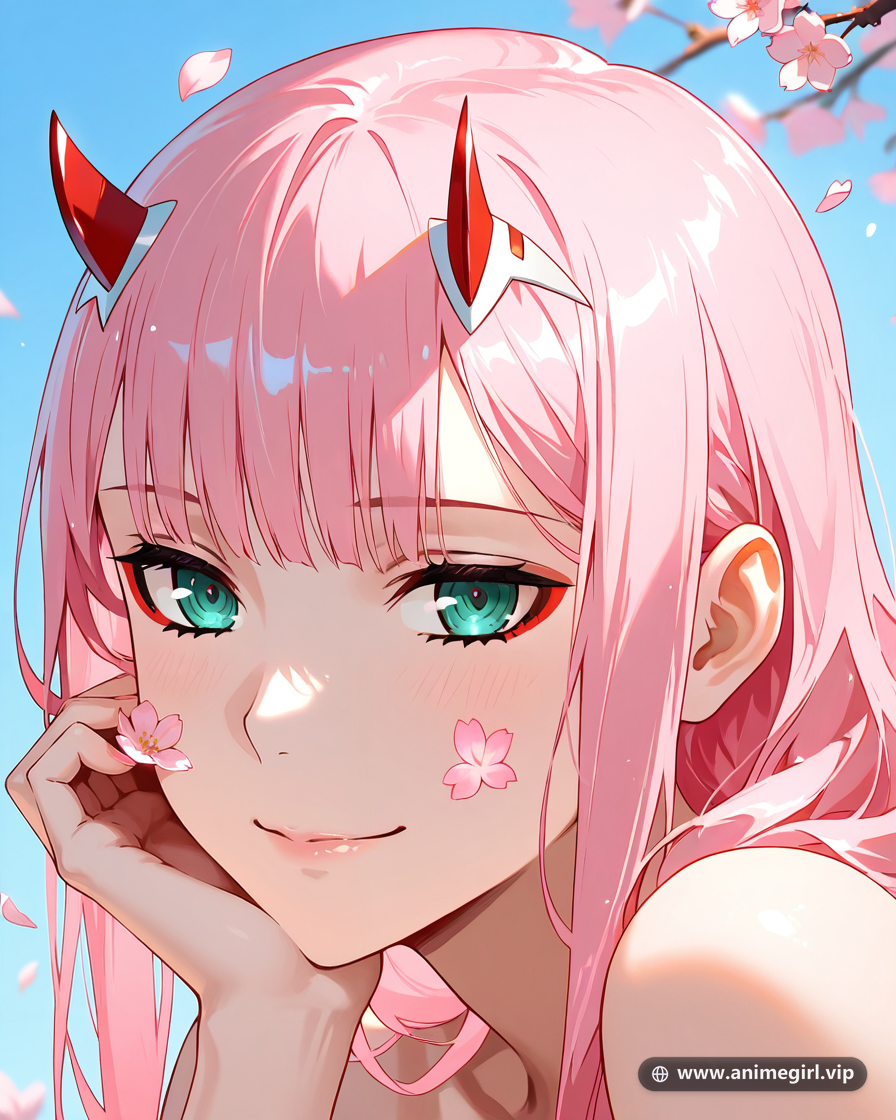
Raised by a spirit-medium grandmother (the ridiculously glamorous and badass Seiko Ayase), Momo is street-smart, fiercely independent, and brimming with unshakeable self-confidence. She rocks modern gyaru fashion—complete with dyed hair, trendy platform shoes, and layered accessories—not as a shallow character gimmick, but as an authentic expression of personal agency and unapologetic self-worth.
Crucially, Momo does not take abuse or disrespect lying down. When her ex-boyfriend mocks her behind her back, she dumps him on the spot. When bullies torment Okarun in the school hallway, she steps in without a second of hesitation. And when confronted by terrifying subterranean extraterrestrials, her dormant telekinetic abilities awaken, transforming her into an active, commanding frontline warrior.
The Collision of Two Worlds: Ghosts vs. Aliens
The premise of Dandadan kicks off with a hilariously stubborn wager between two passionate teenage outcasts:
- Momo believes wholeheartedly in ghosts and spirits, but vehemently denies that extraterrestrial aliens exist.
- Okarun is deeply convinced that UFOs and alien lifeforms are real, but scoffs at spiritual hauntings as superstitious nonsense.
To prove each other wrong, they dare one another to visit infamous regional paranormal hotspots. Momo enters an abandoned hospital known for alien sightings, while Okarun visits a haunted tunnel associated with the dreaded urban legend Turbo Granny (Turbo Baa-chan).
The glorious twist? Both of them are completely, horrifyingly correct. By throwing Japanese folk yokai, urban horror myths, cursed shrines, and bizarre geometric extraterrestrials into a blender, Dandadan creates an unpredictable supernatural sandbox where anything can happen at breakneck velocity.
Romance Done Right: Genuine Banter and Mutual Respect
What truly elevates Dandadan above standard seasonal action hits is the electrifying, wholesome chemistry between Momo and Okarun. Their budding connection feels remarkably grounded in authentic teenage psychology:
Okarun, named Ken Takakura after Momo's beloved vintage cinema idol, begins the series with zero friends, perpetually curled into a defensive posture to avoid bullying. Momo is the first person to ever look him in the eye and listen to his passionate theories. In turn, Okarun becomes fiercely protective of Momo, pushing his cursed Turbo Granny demonic speed to the absolute limit whenever she is in harm's way.
Unlike exhausting romance anime tropes where characters spend four seasons misunderstanding basic sentences, Momo and Okarun talk to each other like real human beings. They tease each other, apologize when they make mistakes, share meals cooked by Seiko, and fight side by side as equal partners.
Science SARU and the Art of Kinetic Animation
The visual execution of Dandadan by studio Science SARU (founded by Masaaki Yuasa and Eunyoung Choi, directed by Fuga Yamashiro) is nothing short of breathtaking. Rather than relying solely on clean commercial digital art, the production embraces rough linework, expressive squash-and-stretch body deformation, and psychedelic saturated color scripting.
Action sequences don't just move; they explode with dizzying momentum. Coupled with hip-hop and techno-infused sound design and the viral opening theme "Otonoke" by Japanese hip-hop powerhouse Creepy Nuts (the duo behind Bling-Bang-Bang-Born), the anime operates as a masterclass in modern audiovisual storytelling.
Why Dandadan Signals a Golden Age for Shonen
Dandadan represents a thrilling creative maturation for the anime industry. It proves that a blockbuster shonen series can combine terrifying horror elements, hilarious gross-out comedy, jaw-dropping animation craft, and a genuinely tender coming-of-age romance without compromising any of its components. And at the absolute center of that triumph stands Momo Ayase—a heroine who refuses to apologize for who she is, inspiring a whole new generation of anime fans.
Prompt Engineering Architecture & Visual Token Hierarchy
When translating the concepts of The Dandadan Phenomenon: Why Momo Ayase and Okarun Captured the Anime World into actual AI anime illustrations inside the AnimeGirl.vip Studio, token ordering determines 80% of your final image fidelity. Modern anime diffusion pipelines evaluate tokens with front-loaded attention weighting: words placed in the first 15 to 20 tokens establish the non-negotiable structural skeleton (character identity, silhouette, and camera framing), while tokens in the middle control wardrobe textures and environmental props, and trailing tokens govern color grading and atmospheric post-processing.
To prevent "attribute bleed"—where hair color accidentally tints the character's clothing or background—always separate your subject anchor from your environment using clear comma-delimited phrases. For example, if you are illustrating Makima from Chainsaw Man, lock in her signature traits before introducing secondary lighting colors or complex backgrounds from our #chainsaw-man gallery.
The 6-Layer Studio Prompt Blueprint
- Layer 1 — Canonical Subject Anchor: Name the character and source series explicitly, or define the archetype's core hair cut, hair color, and eye geometry (e.g., Makima from Chainsaw Man, braided auburn hair, golden ringed eyes, tailored black trench coat).
- Layer 2 — Camera Distance & Angle: Specify close-up portrait for 1:1 avatars, medium cowboy shot for outfit showcases, or full-body low-angle for vertical 9:16 mobile lockscreens.
- Layer 3 — Wardrobe & Fabric Physics: Pair garment names with material shaders such as matte wool trench coat, iridescent silk kimono, brushed silver knight armor, or ribbed knit sweater.
- Layer 4 — Pose & Hand Prop Anchor: Give the character's hands a natural focal task—holding a teacup, resting on a katana hilt, adjusting glasses, or casting a glowing spell orb—to guarantee clean five-finger anatomy.
- Layer 5 — Environment & Depth of Field: Establish foreground particles (cherry blossoms, rain droplets, embers) and a softly blurred background (cinematic bokeh, shallow depth of field) so the character pops off the canvas.
- Layer 6 — Lighting & Studio Quality Polish: Finish with two complementary light sources—such as warm golden-hour key light paired with cool cyan rim lighting—plus masterpiece anime illustration, crisp cel-shaded linework.
Copy-and-Paste Studio Prompt Formulations
Use any of the tested prompt templates below directly in our Free Anime Prompt Generator or click Generate in Studio ✦ to render your own high-resolution variation:
1. Cinematic Golden-Hour Portrait Formula
Makima from Chainsaw Man, braided auburn hair, golden ringed eyes, tailored black trench coat, medium portrait framing, gentle confident expression looking at viewer, warm golden hour sunset sunlight with soft lens flare, floating dust motes, shallow depth of field bokeh background, masterpiece anime illustration, crisp linework, high detail eyes2. Nocturnal Neon & Chiaroscuro Atmosphere
Makima from Chainsaw Man, braided auburn hair, golden ringed eyes, tailored black trench coat, standing on a rain-slicked balcony at night, dramatic cyan and magenta neon rim lighting contrasting with deep shadows, wet glass reflections, cinematic anime key visual, vibrant color grading3. Full-Scene 9:16 Vertical Wallpaper Composition
Makima from Chainsaw Man, braided auburn hair, golden ringed eyes, tailored black trench coat, full body vertical framing with generous sky negative space above head for phone lockscreen clock, sweeping atmospheric clouds and glowing particles, ultra-detailed anime wallpaper artLighting, Color Theory & Aspect Ratio Comparison
Choosing the right combination of aspect ratio and lighting palette dramatically changes how your illustration performs across social platforms, desktop setups, and mobile lockscreens:
| Use Case | Recommended Framing | Best Lighting Palette | Studio Tier Feature |
|---|---|---|---|
| Discord / TikTok / X PFP | 1:1 Square, Close-Up Face & Shoulders | High-contrast rim light + dark background | Free & Guest Tiers (Instant) |
| Character Outfit Showcase | 4:5 Portrait, Medium Cowboy Shot | Soft dual-tone studio key + fill light | Premium ($5.99) — Clean, No Watermark |
| iOS / Android Lockscreen & Reels | 9:16 Story (768×1344), Upper Sky Negative Space | OLED deep blacks + luminous particle glow | Creator ($9.99) — Exclusive 9:16 Mode |
Common Mistakes to Avoid & Pro Studio Tips
- Overloading Conflicting Style Tags: Avoid mixing 1990s retro VHS cel shading with 3D Unreal Engine render in the same prompt. Pick one unified rendering aesthetic so line weights and skin shading remain cohesive.
- Forgetting Eye Catchlights: The soul of any anime portrait lives in the iris. Adding detailed expressive eyes, crisp catchlights, subtle iris gradient immediately elevates facial appeal.
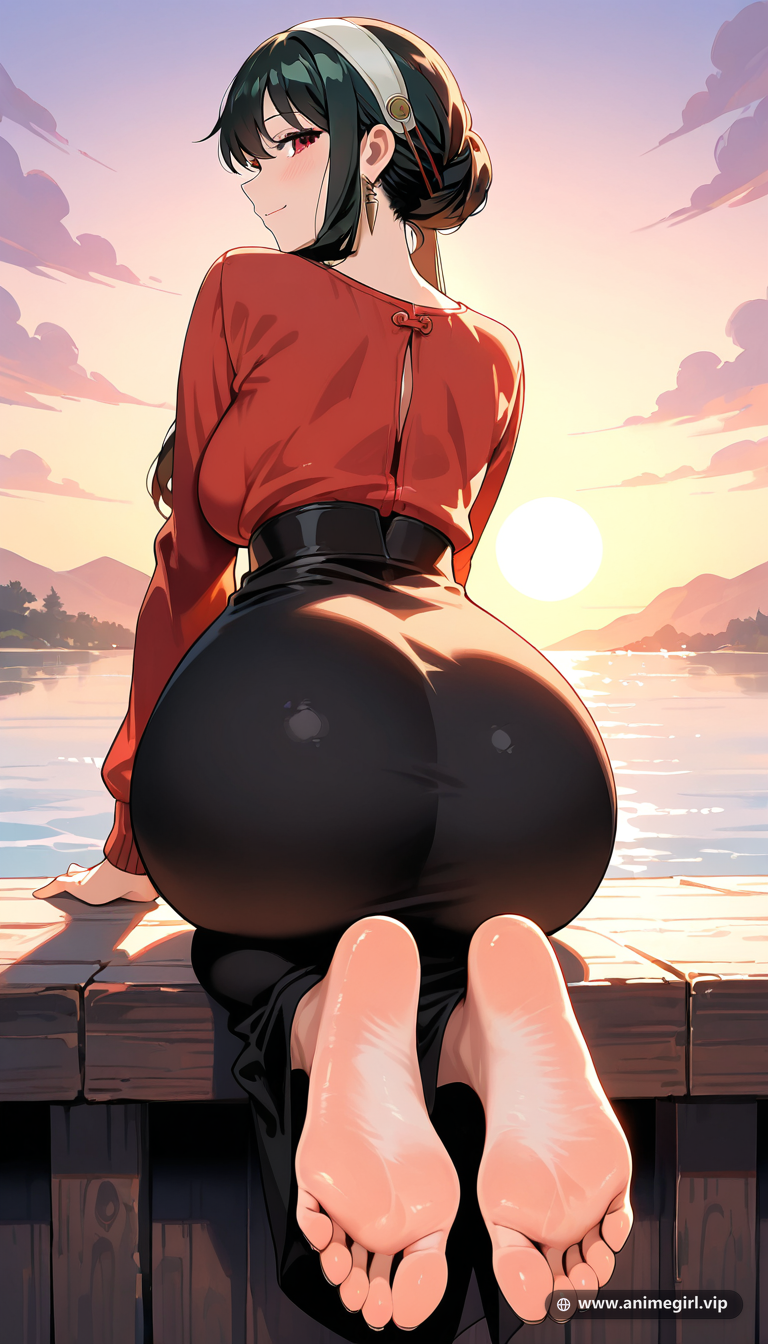
- Ignoring Background Value Contrast: If your character has dark hair (like Yor Forger or Nico Robin), add a warm golden or cyan rim light behind her silhouette so her hair doesn't merge into a dark night sky.
- Iterating Faster with Priority Queue: When refining a character concept for a light novel cover, VTuber debut, or wallpaper pack, upgrading to Premium ($5.99/mo) or Creator ($9.99/mo) unlocks 50 to 100 daily generations, Priority GPU Queue, unwatermarked master downloads, and full commercial usage rights.
The Art Direction Philosophy Behind The Dandadan Phenomenon
When veteran animation directors, key animators (genga artists), and digital illustrators approach The Dandadan Phenomenon, they never treat the frame as a static photograph. In Japanese visual storytelling, every square inch of the canvas participates in an emotional dialogue with the viewer. From the thickness of the outer contour linework to the subtle temperature shift between sunlit highlights and ambient shadow cores, the goal of Why Momo Ayase and Okarun Captured the Anime World is to create a sense of living presence—the feeling that the character just took a breath a split-second before the shutter clicked.
Historically, during the cel-animation era of the late 1980s and 1990s, background painters working in gouache and poster color had to rely on dramatic value contrast to separate a heroine from her environment. Today, modern digital compositing pipelines—pioneered by studios like Kyoto Animation, Ufotable, CloverWorks, Wit Studio, and MAPPA—combine multi-plane camera depth with volumetric light scattering, delicate lens bloom, and chromatic rim highlights. Yet the fundamental rule remains unchanged: silhouette clarity and eye expression govern the entire composition.
Color Psychology, Subsurface Scattering & Atmospheric Depth
Why do certain anime illustrations stop you mid-scroll while others feel flat or artificial? The secret lies in how light interacts with skin, hair, and fabric at the microscopic level—a phenomenon digital painters call subsurface scattering (SSS) and chromatic shadow transition:
- The Warm Blood-Tone Terminator Line: On porcelain or sun-kissed anime skin, the boundary where direct light meets shadow (the terminator) should never be a muddy grey line. Introducing a soft coral-pink or warm peach saturation band along cheek and collarbone shadows makes the character look warm and alive.
- Hair Translucency Against Backlight: When a character stands in front of a sunset window, neon billboard, or moonlit sky, individual flyaway hair strands and bangs become semi-translucent. Prompting for
sunlight glowing through translucent bangs, fine floating hair strands, angel-ring hair specularrecreates this signature anime artbook polish. - Environmental Color Bounce: A heroine standing in a verdant summer meadow absorbs soft emerald bounce light along the underside of her jaw and sleeves; the same heroine on a rain-slicked cyberpunk balcony absorbs magenta and cyan reflections from wet asphalt puddles below.
Step-by-Step Studio Director Workflow: From Concept to Master Render
To get consistent, publication-ready illustrations inspired by The Dandadan Phenomenon: Why Momo Ayase and Okarun Captured the Anime World inside the AnimeGirl.vip Studio, follow this four-stage creative director workflow used by top community artists:
- Stage 1 — Lock the Silhouette in 4:5 Feed Mode First: Before adding complex weather particles or background architecture, test your core character identity and outfit tokens in 4:5 Portrait mode (896×1152). Verify that the hair cut, eye color, and primary garment shader read cleanly at thumbnail size.
- Stage 2 — Introduce a Narrative Prop or Hand Gesture: Static arms hanging at the sides drain energy from a portrait. Give your heroine a purposeful action—holding a steaming teacup, resting fingers on a katana hilt, adjusting half-rim spectacles, or conjuring a luminous spell orb. Not only does this tell a story, it also anchors five-finger hand anatomy.
- Stage 3 — Apply Dual-Source Studio Lighting: Pair a primary warm directional key light (golden sunset, candle lantern, or amber café bulb) with a secondary cool rim light (moonlight, cyan rain reflection, or arcane glow) to carve the silhouette out from the backdrop.
- Stage 4 — Scale Up with 4x Batch & 9:16 Story Format: Once your prompt formula is dialed in, use Creator Tier’s ($9.99/mo) 9:16 Vertical Story Format (768×1344) and 4x Batch mode to generate full-screen mobile lockscreens with clean upper-sky negative space for smartphone clock widgets and zero watermarks.
Want Unwatermarked Master Renders, 9:16 Lockscreens & Commercial Rights?
Try any prompt from this guide free in our AI Anime Studio, or upgrade to Premium ($5.99/mo — 50 daily creations) or Creator ($9.99/mo — 100 daily creations + 9:16 vertical Story mode) with Priority GPU Queue, zero watermarks, private cloud storage, and full commercial licensing.
Frequently Asked Questions
What is the relationship between Momo and Okarun in Dandadan?
Momo and Okarun begin as classmates who challenge each other over their beliefs in ghosts versus aliens. Over the course of their supernatural battles, they develop a deep, protective friendship with mutual, undeniable romantic feelings.
Who animated Dandadan?
Dandadan was produced by acclaimed animation studio Science SARU, directed by Fuga Yamashiro, with music composed by Kensuke Ushio (known for Chainsaw Man and A Silent Voice).
Why is Momo Ayase considered a gyaru?
Momo embraces gyaru subculture fashion: styled hair, layered casual streetwear, playful makeup, and an outspoken, confident attitude that rejects traditional submissive societal expectations.
What are Momo Ayase's powers?
Inheriting spiritual sensitivity from her medium grandmother Seiko, Momo unlocks psychokinetic and telekinetic powers, allowing her to grasp, hold, and manipulate unseen spiritual auras and physical objects with her mind.
Discussion & Insights 4
What are your thoughts on The Dandadan Phenomenon: Why Momo Ayase and Okarun Captured the Anime World? Share your perspective, theories, or favorite moments below!
Leave a Thought
Join the discussion — be respectful and enjoy the anime banter.