 AnimeGirl.vip
Drip Beyond the Canvas: Top 10 Best-Dressed Anime Characters & High-Fashion Wardrobe Breakdown
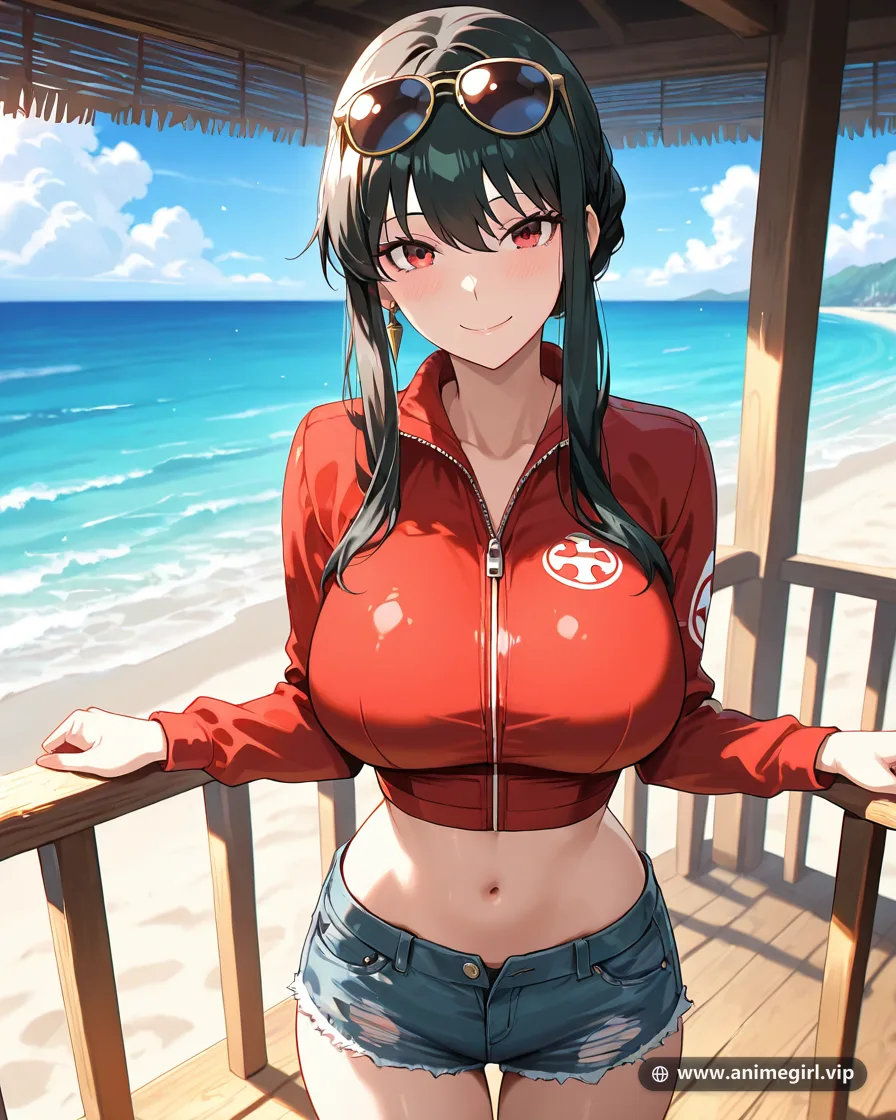
While classic anime characters often wore the exact same outfit for 200 episodes, a bold movement of mangaka and character designers—led by Tite Kubo (Bleach), Ai Yazawa (Nana), Hirohiko Araki (JoJo), and Shinichi Fukuda (My Dress-Up Darling)—transformed anime into a global runway for streetwear, avant-garde tailoring, and gothic couture.
1. From Tite Kubo’s Chapter Covers to CloverWorks Street Style
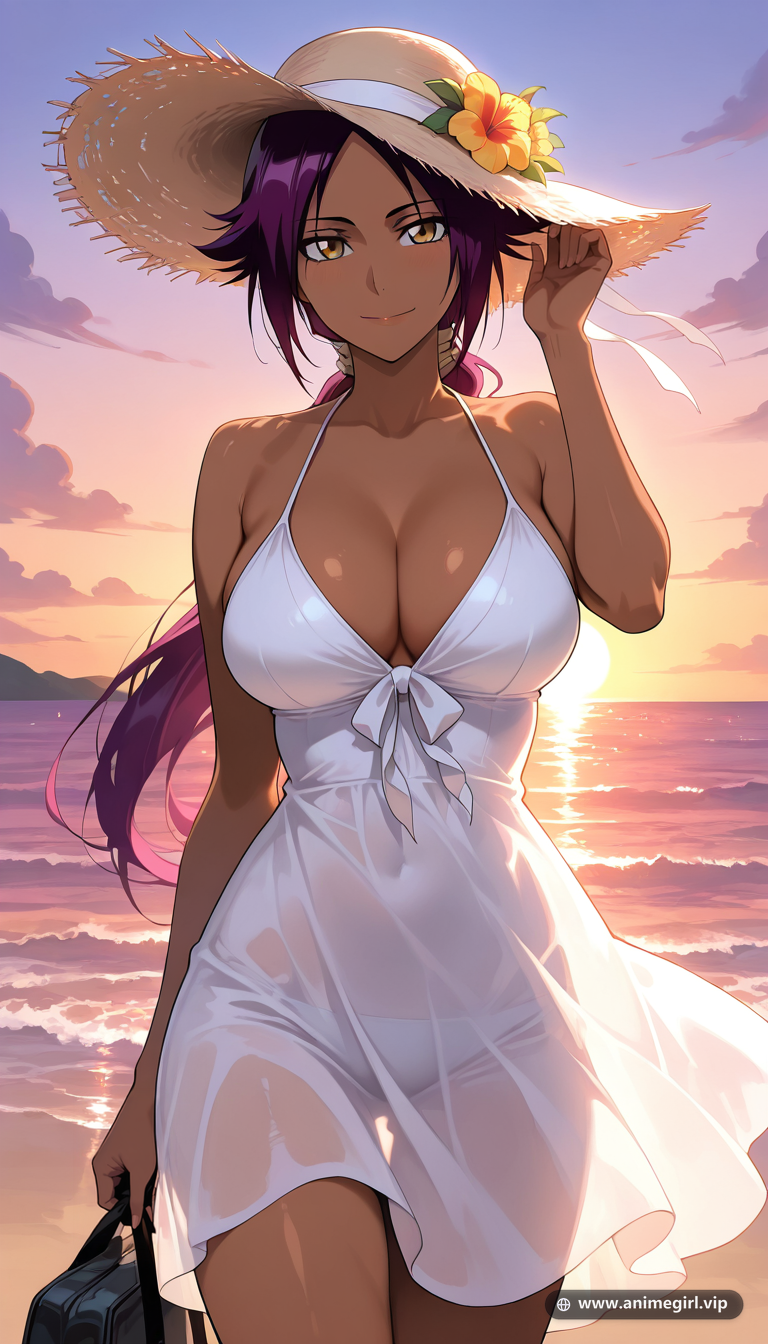
Ask any fashion designer where anime intersects with Milan and Harajuku runways, and Tite Kubo’s Bleach illustration books (All Colour But The Black) will top the list. Characters like Yoruichi Shihoin and Rangiku Matsumoto effortlessly transition from traditional Soul Reaper shihakusho into cropped techwear jackets, baggy cargo trousers, and layered silver street jewelry.
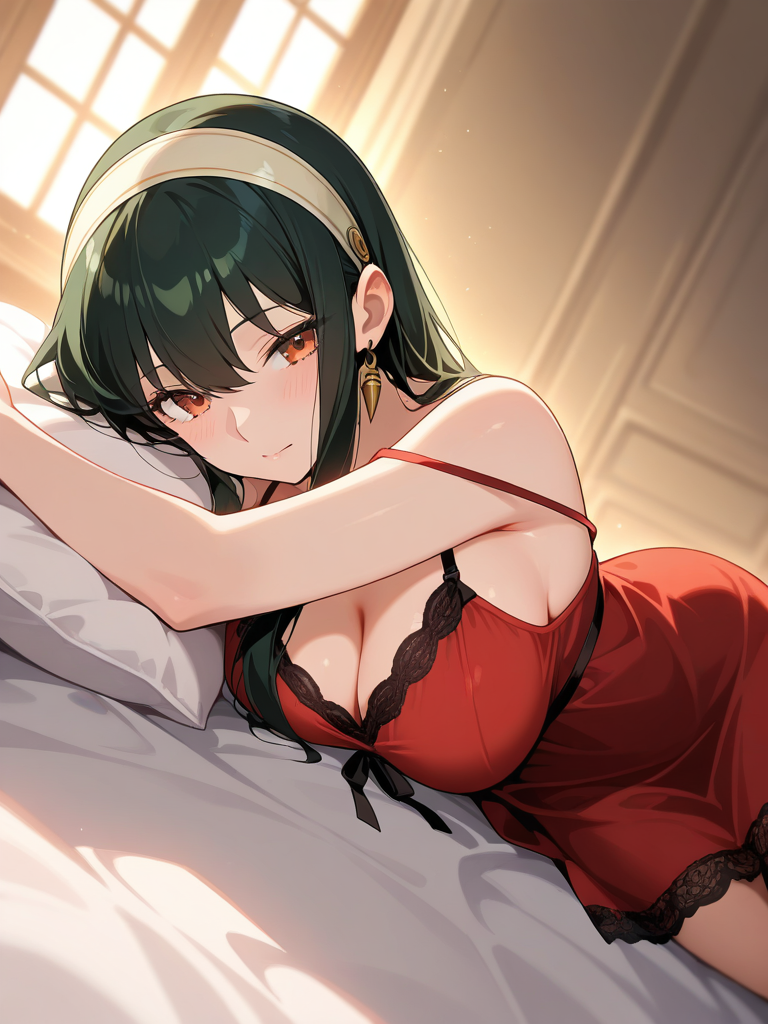
In contemporary slice-of-life and espionage series, wardrobe tells the story before a single line of dialogue is spoken: Yor Forger’s off-duty red off-shoulder knit sweater and high-waisted winter coats radiate domestic warmth, while her black-and-gold rose-lined Thorn Princess halter gown screams lethal haute couture.
2. Why Fabric Contrast Makes an Anime Outfit Iconic
Every unforgettable anime outfit obeys the Rule of Three Materials: pairing a structured outer layer (wool trench coat, cropped leather jacket, or structured blazer) with a soft inner layer (ribbed knit turtleneck, sheer chiffon blouse) and a metallic focal accent (gold earrings, belt buckles, or choker).
- Makima’s Minimalist Power Suit: A crisp white dress shirt, black tie, and sweeping ankle-length black wool trench coat—proving that razor-sharp tailoring needs zero clutter to dominate a frame.
- Nico Robin’s Resort & Noir Coordinates: From purple leather cowboy hats in Alabasta to fitted pinstriped blazers and sunglasses on post-timeskip decks.
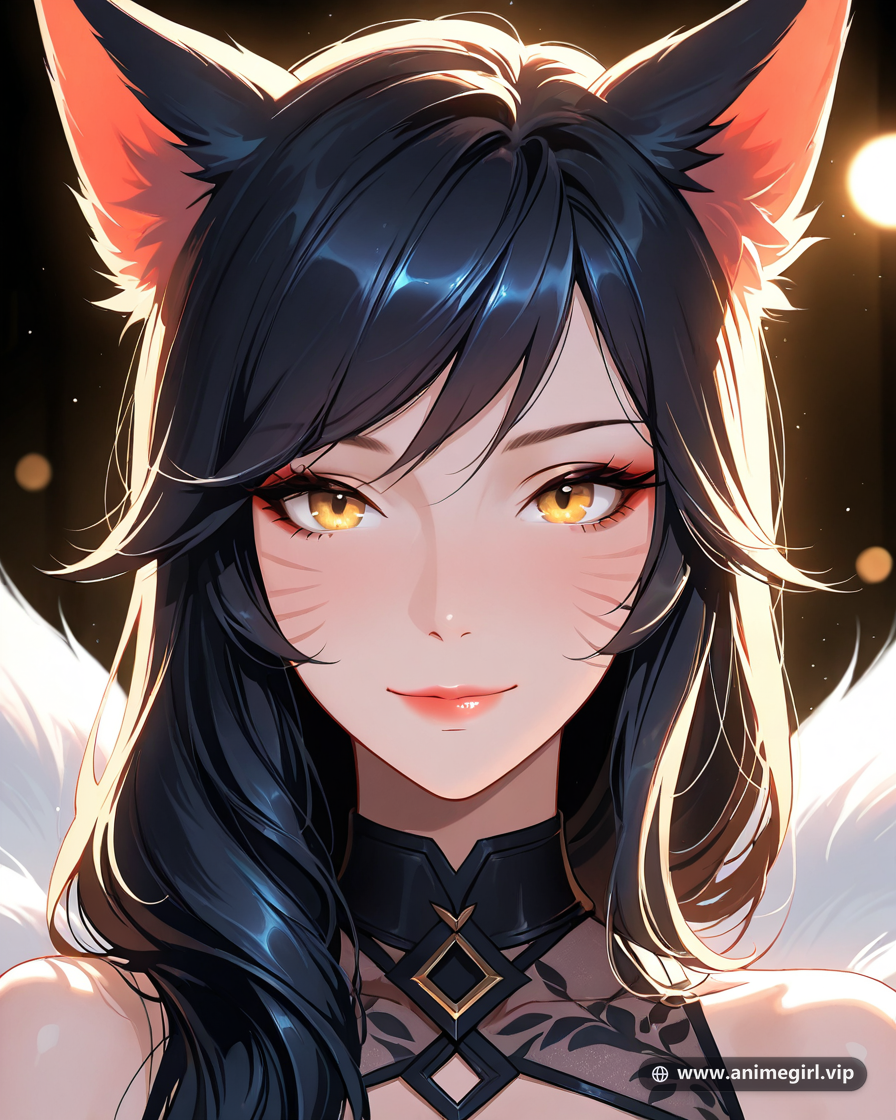
- Ahri’s K/DA Haute Couture: Holographic crystal tails paired with iridescent stage bodysuits and asymmetric gold accessories.
3. Prompting Runway-Grade Anime Fashion in the Studio
1. Signature Studio Portrait (4:5 Feed Format)
Yor Forger from Spy x Family, 1girl, black hair, glowing ruby-red eyes, wearing a chic Tokyo winter street fashion outfit, tailored camel wool trench coat over a fitted crimson ribbed turtleneck sweater, gold hoop earrings, holding a warm latte on a snowy Ginza evening street, golden bokeh lights, masterpiece anime fashion illustration2. Cinematic Twilight & Atmosphere Edition
Yoruichi Shihoin from Bleach, dark skin, long purple ponytail, golden cat-like eyes, wearing modern Harajuku techwear street fashion, cropped black-and-orange windbreaker jacket, high-waisted cargo pants with silver chain, confident smirk, neon Shibuya alley at night, crisp linework3. 9:16 Vertical Mobile Lockscreen Wallpaper
Makima from Chainsaw Man, braided reddish-pink hair, golden ringed eyes, wearing an avant-garde high-fashion black velvet evening coat over crisp white shirt and black tie, standing in a minimalist concrete art gallery with dramatic skylight shadows, 9:16 vertical fashion magazine cover4. Visual Breakdown & Studio Reference Table
| Element | Key Visual / Prompt Tokens | Creative Impact |
|---|---|---|
| Tailored Noir (Makima) | ankle-length matte wool trench coat, crisp poplin shirt, silk tie | Clean architectural silhouette |
| Cozy Chic (Yor Forger) | chunky cable-knit off-shoulder red sweater, gold accessories | Tactile warmth & soft curves |
| Harajuku Techwear (Yoruichi) | cropped nylon windbreaker, tactical straps, metallic buckles | Dynamic sporty contrast |
The Art Direction Philosophy Behind Drip Beyond the Canvas
When veteran animation directors, key animators (genga artists), and digital illustrators approach Drip Beyond the Canvas, they never treat the frame as a static photograph. In Japanese visual storytelling, every square inch of the canvas participates in an emotional dialogue with the viewer. From the thickness of the outer contour linework to the subtle temperature shift between sunlit highlights and ambient shadow cores, the goal of Top 10 Best-Dressed Anime Characters & High-Fashion Wardrobe Breakdown is to create a sense of living presence—the feeling that the character just took a breath a split-second before the shutter clicked.
Historically, during the cel-animation era of the late 1980s and 1990s, background painters working in gouache and poster color had to rely on dramatic value contrast to separate a heroine from her environment. Today, modern digital compositing pipelines—pioneered by studios like Kyoto Animation, Ufotable, CloverWorks, Wit Studio, and MAPPA—combine multi-plane camera depth with volumetric light scattering, delicate lens bloom, and chromatic rim highlights. Yet the fundamental rule remains unchanged: silhouette clarity and eye expression govern the entire composition.
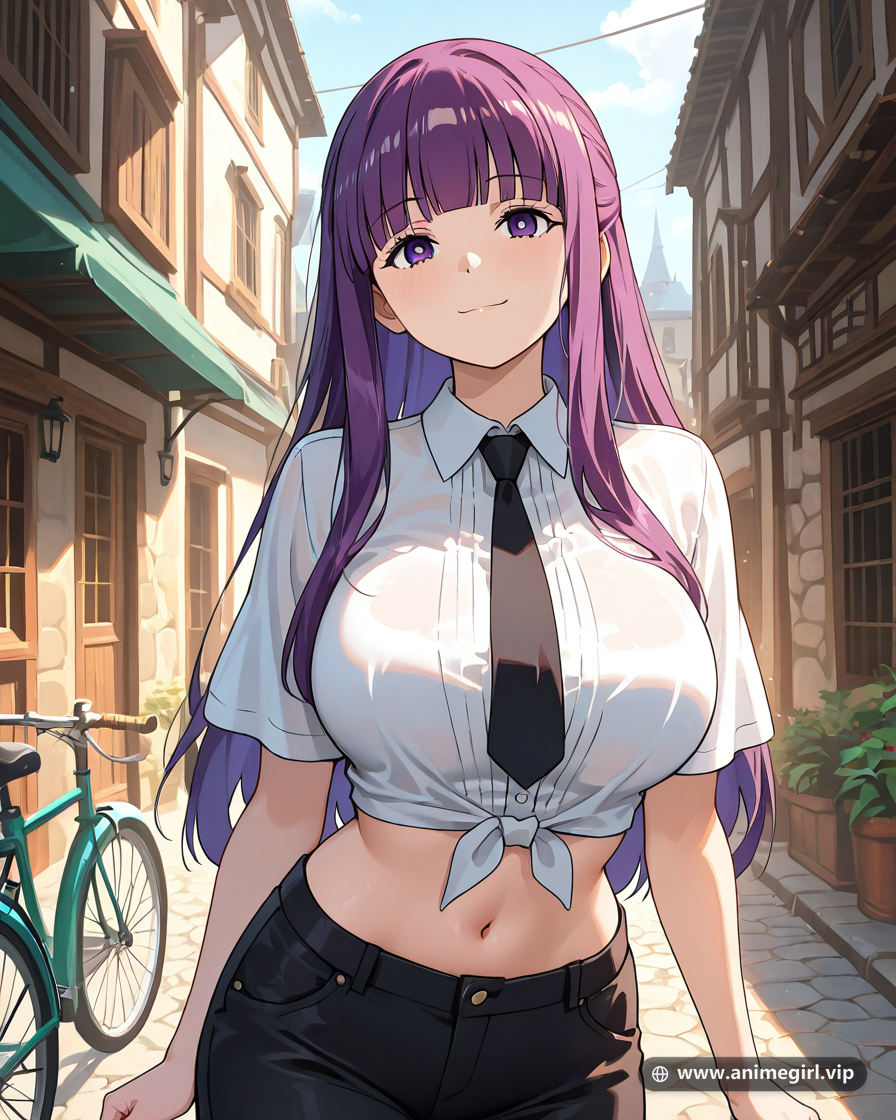
Color Psychology, Subsurface Scattering & Atmospheric Depth
Why do certain anime illustrations stop you mid-scroll while others feel flat or artificial? The secret lies in how light interacts with skin, hair, and fabric at the microscopic level—a phenomenon digital painters call subsurface scattering (SSS) and chromatic shadow transition:
- The Warm Blood-Tone Terminator Line: On porcelain or sun-kissed anime skin, the boundary where direct light meets shadow (the terminator) should never be a muddy grey line. Introducing a soft coral-pink or warm peach saturation band along cheek and collarbone shadows makes the character look warm and alive.
- Hair Translucency Against Backlight: When a character stands in front of a sunset window, neon billboard, or moonlit sky, individual flyaway hair strands and bangs become semi-translucent. Prompting for
sunlight glowing through translucent bangs, fine floating hair strands, angel-ring hair specularrecreates this signature anime artbook polish. - Environmental Color Bounce: A heroine standing in a verdant summer meadow absorbs soft emerald bounce light along the underside of her jaw and sleeves; the same heroine on a rain-slicked cyberpunk balcony absorbs magenta and cyan reflections from wet asphalt puddles below.
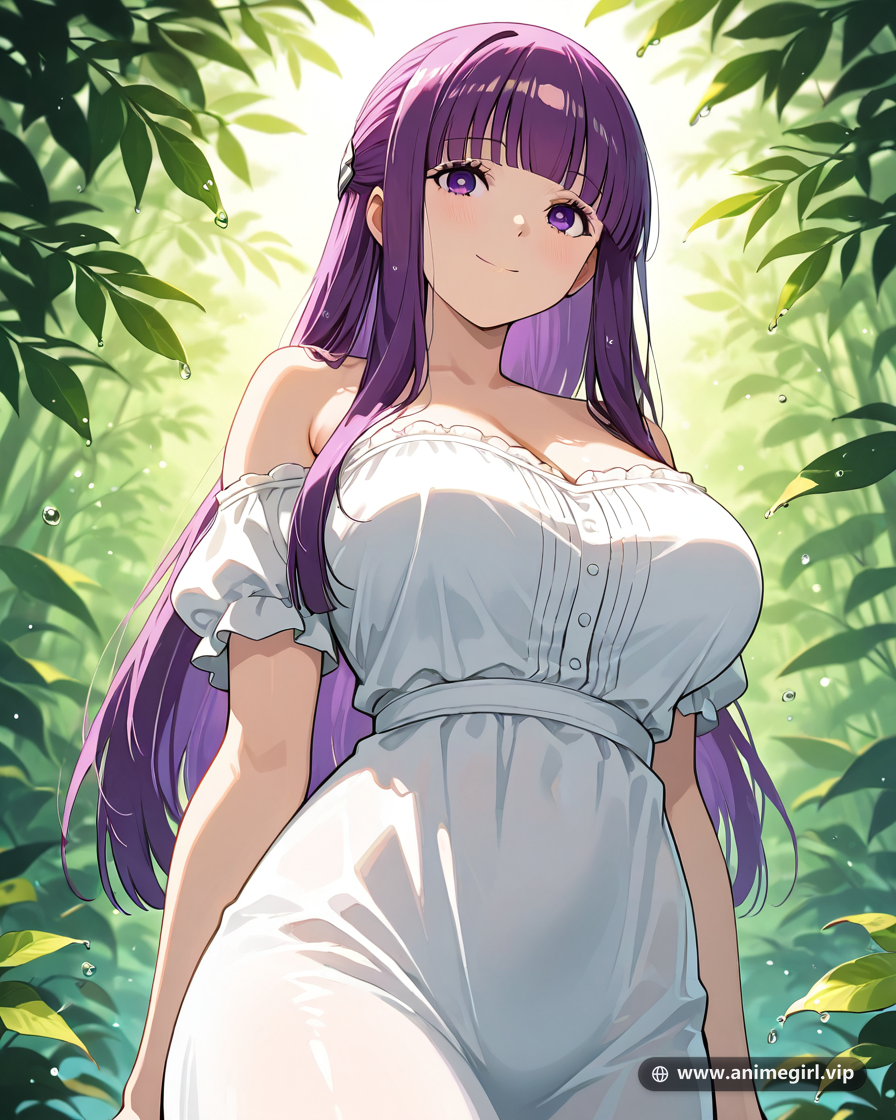
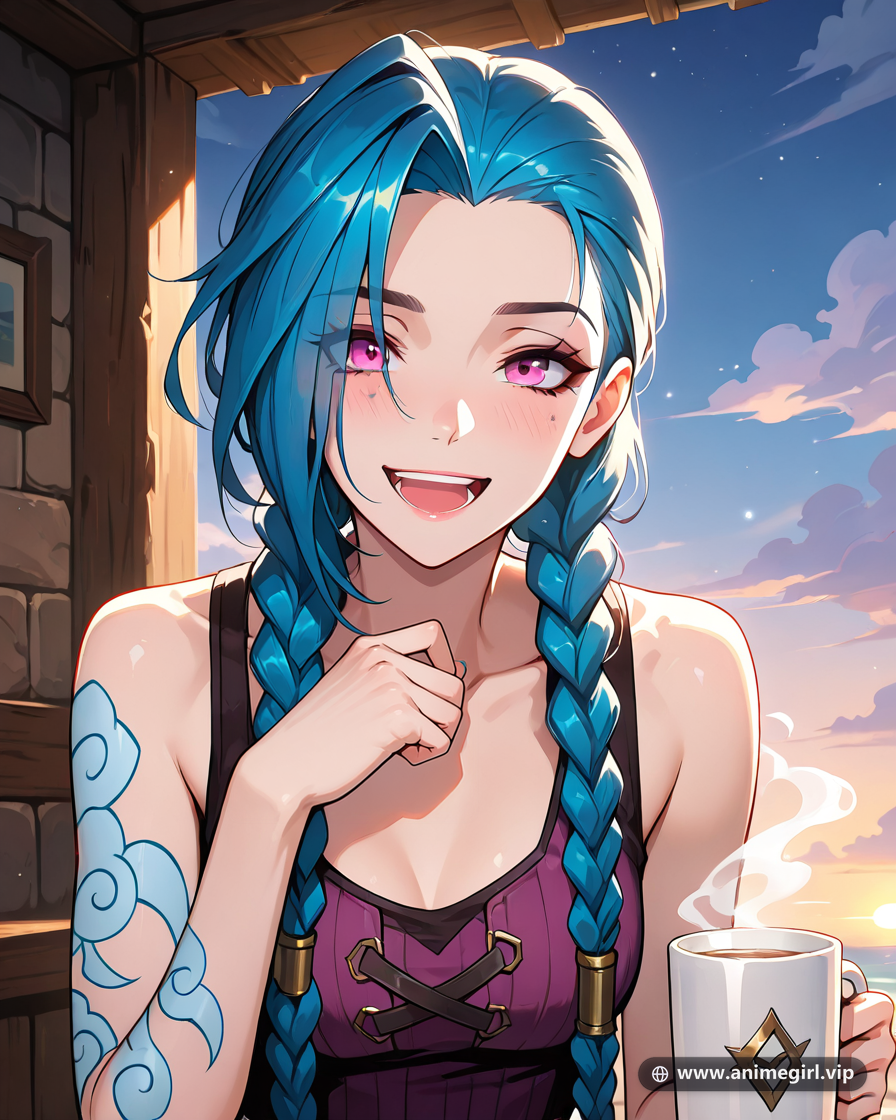
Step-by-Step Studio Director Workflow: From Concept to Master Render
To get consistent, publication-ready illustrations inspired by Drip Beyond the Canvas: Top 10 Best-Dressed Anime Characters & High-Fashion Wardrobe Breakdown inside the AnimeGirl.vip Studio, follow this four-stage creative director workflow used by top community artists:
- Stage 1 — Lock the Silhouette in 4:5 Feed Mode First: Before adding complex weather particles or background architecture, test your core character identity and outfit tokens in 4:5 Portrait mode (896×1152). Verify that the hair cut, eye color, and primary garment shader read cleanly at thumbnail size.
- Stage 2 — Introduce a Narrative Prop or Hand Gesture: Static arms hanging at the sides drain energy from a portrait. Give your heroine a purposeful action—holding a steaming teacup, resting fingers on a katana hilt, adjusting half-rim spectacles, or conjuring a luminous spell orb. Not only does this tell a story, it also anchors five-finger hand anatomy.
- Stage 3 — Apply Dual-Source Studio Lighting: Pair a primary warm directional key light (golden sunset, candle lantern, or amber café bulb) with a secondary cool rim light (moonlight, cyan rain reflection, or arcane glow) to carve the silhouette out from the backdrop.
- Stage 4 — Scale Up with 4x Batch & 9:16 Story Format: Once your prompt formula is dialed in, use Creator Tier’s ($9.99/mo) 9:16 Vertical Story Format (768×1344) and 4x Batch mode to generate full-screen mobile lockscreens with clean upper-sky negative space for smartphone clock widgets and zero watermarks.
Want Unwatermarked Master Renders, 9:16 Lockscreens & Commercial Rights?
Try any prompt from this guide free in our AI Anime Studio, or upgrade to Premium ($5.99/mo — 50 daily creations) or Creator ($9.99/mo — 100 daily creations + 9:16 vertical Story mode) with Priority GPU Queue, zero watermarks, private cloud storage, and full commercial licensing.
Frequently Asked Questions
Why is Drip Beyond the Canvas so iconic in anime culture?
It combines memorable character psychology with distinct visual storytelling—using color palettes, camera framing, and expressive body language that resonate immediately with viewers.
How can I recreate this visual style in the AnimeGirl.vip Studio?
Copy any of the three studio prompt recipes in this article and click "Generate in Studio ✦". Front-loading the character and lighting tokens ensures crisp, high-contrast results.
Which aspect ratio is best for phone wallpapers vs social media posts?
Use 4:5 Portrait (896×1152) for Instagram, X, and Reddit feeds, or unlock Creator Tier's 9:16 Story Format (768×1344) for full-screen iOS and Android lockscreens.
Discussion & Insights 3
What are your thoughts on Drip Beyond the Canvas: Top 10 Best-Dressed Anime Characters & High-Fashion Wardrobe Breakdown? Share your perspective, theories, or favorite moments below!
Leave a Thought
Join the discussion — be respectful and enjoy the anime banter.