 AnimeGirl.vip
Top 10 Female Protagonists Who Dominated Shonen Anime
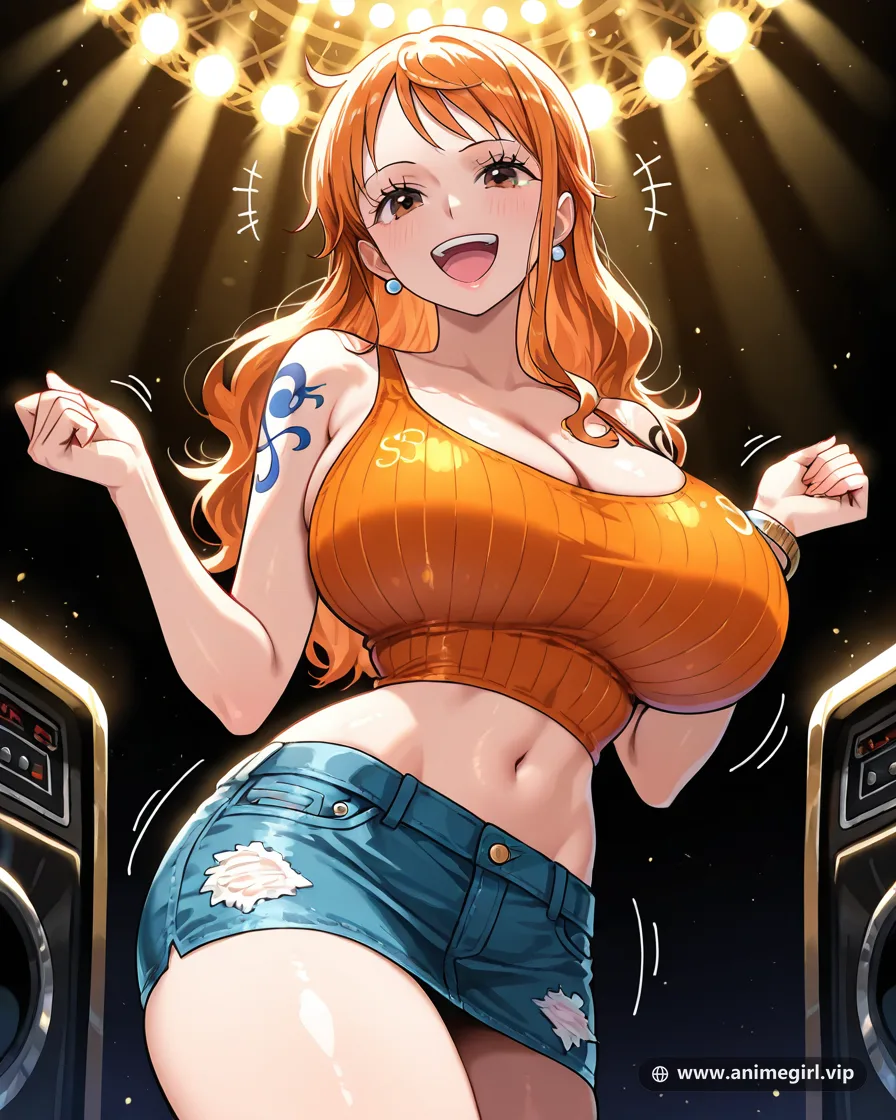
Historically, shonen manga and anime—aimed primarily at young adolescent male audiences—frequently relegated female characters to secondary positions: childhood sweethearts cheering from the bleachers, damsels in distress waiting for rescue, or comic relief. However, over the past several decades, brilliant mangaka and animation directors have rewritten the rules of the genre.
Today's shonen anime features some of the most complex, formidable, and brilliantly written female warriors, strategists, and anti-heroes in all of world fiction. Below, we examine the definitive ten female protagonists who took command of shonen battlegrounds and redefined what it means to lead.
1. Maki Zenin — Jujutsu Kaisen
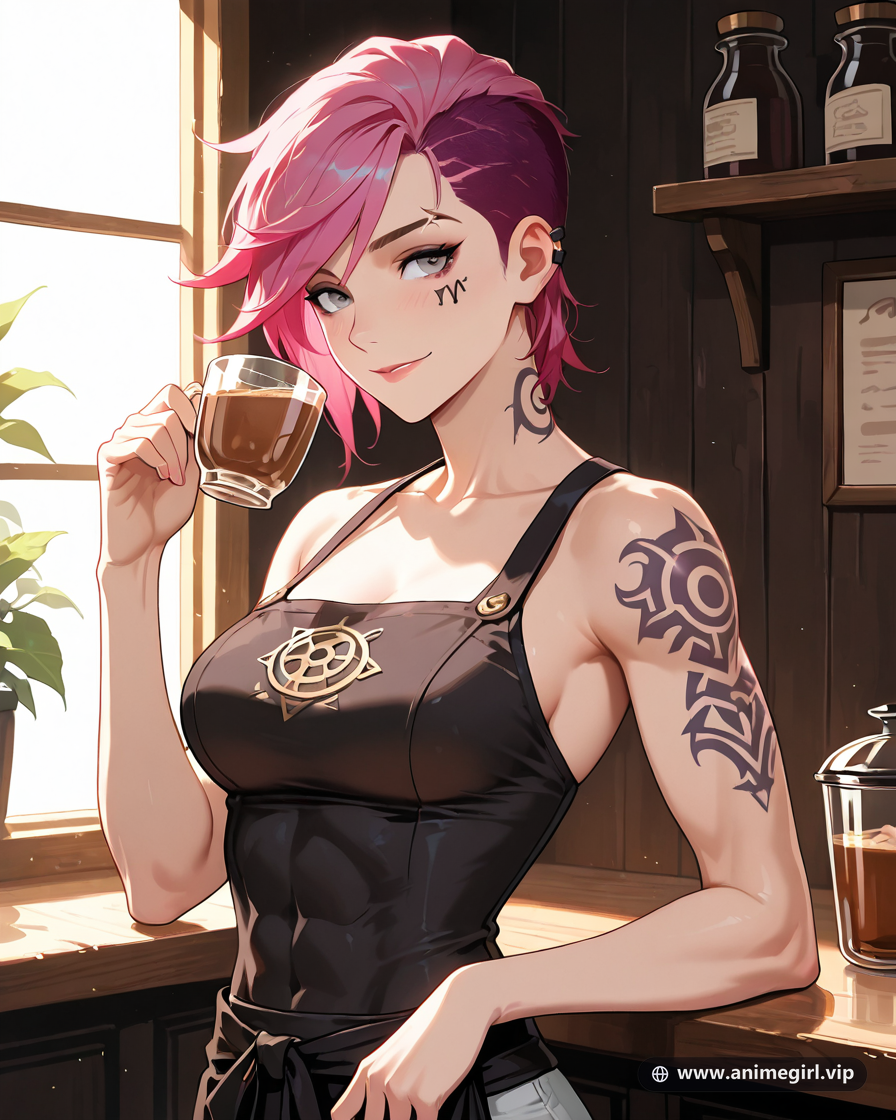
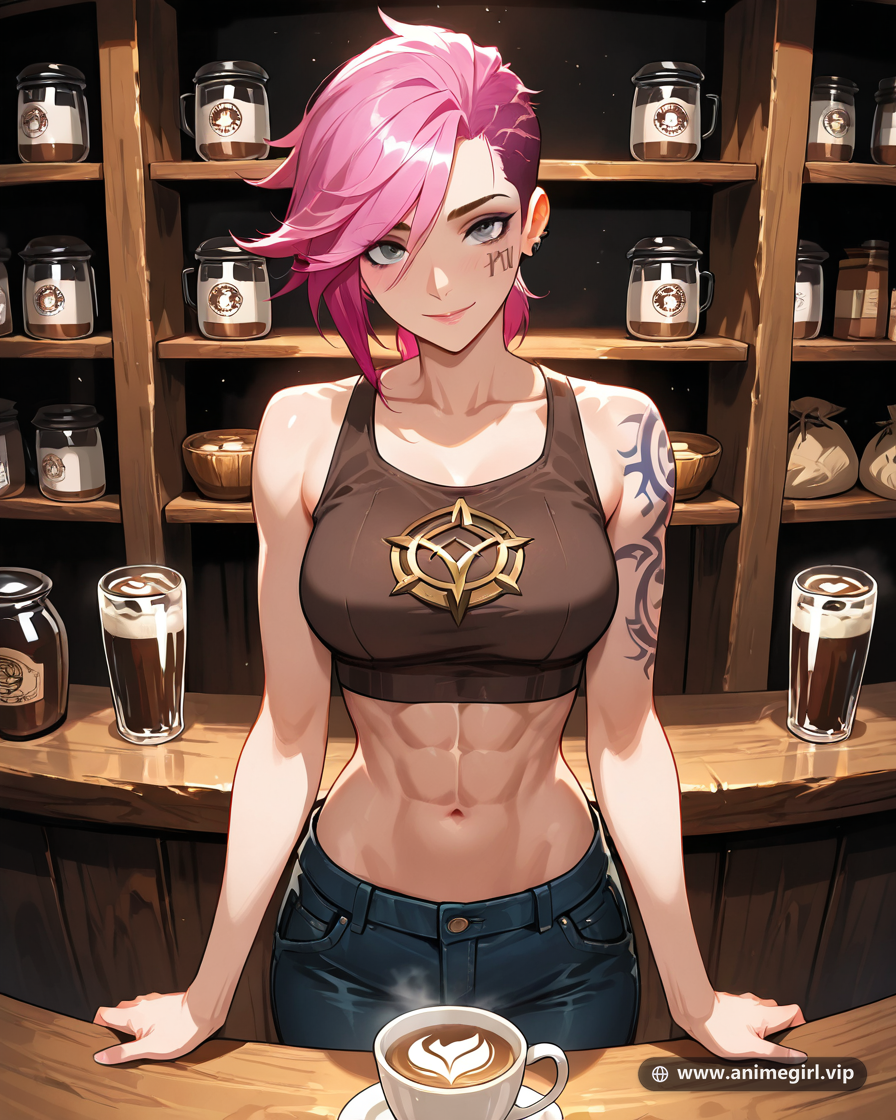
Born into the conservative, deeply misogynistic Zenin sorcerer clan with zero cursed energy, Maki Zenin was treated as an outcast and failure from birth. Rather than accepting a life of subservience, Maki left her ancestral home with a fiery declaration: she would return one day as the head of the clan.
Through punishing physical conditioning and mastery of cursed tools, Maki defied all odds. Following the tragedy of the Shibuya Incident and the sacrifice of her twin sister Mai, Maki's Heavenly Restriction achieved its complete, terrifying manifestation. Cleaving through an entire army of elite clan sorcerers in one of the most brutal sequences in shonen history, Maki evolved into a peerless, unstoppable physical powerhouse reminiscent of Toji Fushiguro.
2. Jolyne Cujoh — JoJo's Bizarre Adventure: Stone Ocean
As the first and only female protagonist in Hirohiko Araki's legendary multi-generational franchise, Jolyne Cujoh carries the iconic Joestar birthmark with unmatched ferocity. Framed for a crime she didn't commit and trapped inside the maximum-security Green Dolphin Street Prison, Jolyne does not wait for her legendary father, Jotaro Kujo, to save her.
Armed with her Stand, Stone Free—which allows her to unravel her own physical body into microscopic threads—Jolyne turns what seems like a weak tactical power into a masterclass of cunning, lethal combat strategy. Her unyielding resilience against the reality-altering Stand Made in Heaven cements her as one of anime's greatest heroes.
3. Rukia Kuchiki — Bleach
The catalytic spark of Tite Kubo's entire epic, Rukia Kuchiki is the Soul Reaper who broke divine spiritual laws by transferring her powers to Ichigo Kurosaki to protect his family. Possessing an aristocratic bearing, a wicked sense of humor, and an adorable obsession with the rabbit mascot Chappy, Rukia is the true heart of the Soul Society.
Far from a simple sidekick, Rukia's emotional growth and battlefield prowess shine throughout the Hueco Mundo and Thousand-Year Blood War arcs. Achieving Bankai with Hakka no Togame (White Haze Punishment)—the most beautiful ice-type Zanpakuto in existence—she can bring the surrounding environment down to absolute zero, vanquishing cosmic horrors with breathtaking grace.
4. Nobara Kugisaki — Jujutsu Kaisen
Introduced alongside Yuji Itadori and Megumi Fushiguro, Nobara Kugisaki refuses to be defined by anyone else's expectations. Hailing from a suffocating rural village, Nobara came to Tokyo specifically to live unapologetically on her own terms.
Nobara's combat philosophy is ferocious: utilizing her Straw Doll Technique (Resonance and Hairpin), she fights with nails, a hammer, and reckless disregard for pain. During the Death Painting arc, when infected with agonizing rot poison, she famously drove nails into her own flesh with a bloodthirsty grin, reminding enemies and audiences alike that she loves herself both when she's dolled up and when she's covered in battle scars.
5. Erza Scarlet — Fairy Tail
Known across the continent of Fiore as "Titania" (Queen of the Fairies), Erza Scarlet is the undisputed muscle and moral pillar of the Fairy Tail guild. An S-Class Mage wielding "The Knight" Requip magic, Erza can instantaneously swap into hundreds of specialized magical armors and weapon sets on the fly.
What makes Erza unforgettable is the contrast between her terrifying disciplinary authority and her profound emotional loyalty to her found family. A survivor of childhood slave labor in the Tower of Heaven, Erza's willingness to throw her battered body into the front lines of every war makes her a legendary warrior of unshakable spirit.
6. Makima — Chainsaw Man
Not every dominant female protagonist is a heroic savior. In Tatsuki Fujimoto's subversive masterpiece Chainsaw Man, Makima is the chilling, enigmatic leader of Public Safety Special Division 4 who rescues Denji from the gutter and promises him a warm life in exchange for total obedience.
Makima represents an unprecedented kind of shonen antagonist-protagonist: quiet, immaculately groomed, soft-spoken, yet wielding absolute bureaucratic and psychological control as the Control Devil. Her terrifying aura, calculated cruelty, and tragic, hollow longing for genuine equal companionship revolutionized the archetype of the female anime mastermind.
7. Mikasa Ackerman — Attack on Titan
Top graduate of the 104th Training Corps and universally regarded as worth "a hundred ordinary soldiers", Mikasa Ackerman is the supreme blade of humanity's fight against the Titans. Driven by a deep, protective instinct toward Eren Yeager following the childhood massacre of her parents, Mikasa cuts through legions of towering man-eating monsters with surgical grace using Omni-Directional Mobility gear.
Yet Mikasa's true character victory lies in her heartbreaking emotional journey during the Rumbling. Forced to choose between the boy who saved her life and the survival of the rest of humanity, Mikasa makes the ultimate, agonizing sacrifice—proving that her moral duty and humanity supersede even her deepest personal attachment.
8. Ryuko Matoi — Kill la Kill
Studio Trigger's high-octane heroine Ryuko Matoi enters Honnouji Academy wielding one half of a giant red Scissor Blade, hunting for the person who murdered her father. Clad in the living sailor uniform Senketsu, Ryuko wages an all-out rebellion against the iron-fisted student council president Satsuki Kiryuin.
Ryuko embodies classic punk-rock shonen defiance: stubborn, foul-mouthed, fiercely loyal, and completely immune to intimidation. Her journey toward accepting her own body, identity, and complex familial origins made Kill la Kill an adrenaline-fueled celebration of self-determination.
9. Teresa of the Faint Smile — Claymore
In Norihiro Yagi's dark fantasy epic Claymore, Teresa is the legendary No. 1 warrior of the Organization, nicknamed "of the Faint Smile" because she effortlessly slaughters monstrous Yoma with a serene, mocking smirk without ever having to unleash her demonic Yoki aura.
Emotionally hardened by a lifetime of slaughter, Teresa's icy heart melts when a traumatized young girl named Clare attaches herself to her side. Choosing to defy the Organization and slaughter bandits to protect Clare, Teresa sacrifices her own standing for love. Her combat legacy, inherited sword skills, and motherly bond with Clare elevate her to mythical status in shonen and seinen lore.
10. Emma — The Promised Neverland
Emma proves that shonen leadership doesn't always require swinging a sword or unleashing energy beams. As an orphan living in Grace Field House, Emma is an athletic, brilliant eleven-year-old girl whose world shatters upon discovering that the orphanage is actually a livestock farm raising children to be eaten by demons.
When fellow strategists Norman and Ray argue that they should only rescue the oldest children to maximize survival chances, Emma fiercely rejects their cold calculus: "We are escaping with everyone, or we are not escaping at all." Her unrelenting empathy, tactical intelligence, and refusal to surrender hope in the face of despair make her one of the most inspirational leaders in modern anime history.
The Shifting Horizon of Shonen Storytelling
These ten characters demonstrate that the boundaries of shonen have permanently expanded. Whether conquering tyrannical clans, escaping cosmic prisons, or guiding their companions through apocalyptic wars, these women do not exist in the shadows of male protagonists—they stand front and center, carving their names into anime immortality through their own courage and resolve.
The Art Direction Philosophy Behind Top 10 Female Protagonists Who Dominated Shonen Anime
When veteran animation directors, key animators (genga artists), and digital illustrators approach Top 10 Female Protagonists Who Dominated Shonen Anime, they never treat the frame as a static photograph. In Japanese visual storytelling, every square inch of the canvas participates in an emotional dialogue with the viewer. From the thickness of the outer contour linework to the subtle temperature shift between sunlit highlights and ambient shadow cores, the goal of Visual Aesthetics, Lore & Studio Direction is to create a sense of living presence—the feeling that the character just took a breath a split-second before the shutter clicked.
Historically, during the cel-animation era of the late 1980s and 1990s, background painters working in gouache and poster color had to rely on dramatic value contrast to separate a heroine from her environment. Today, modern digital compositing pipelines—pioneered by studios like Kyoto Animation, Ufotable, CloverWorks, Wit Studio, and MAPPA—combine multi-plane camera depth with volumetric light scattering, delicate lens bloom, and chromatic rim highlights. Yet the fundamental rule remains unchanged: silhouette clarity and eye expression govern the entire composition.
Color Psychology, Subsurface Scattering & Atmospheric Depth
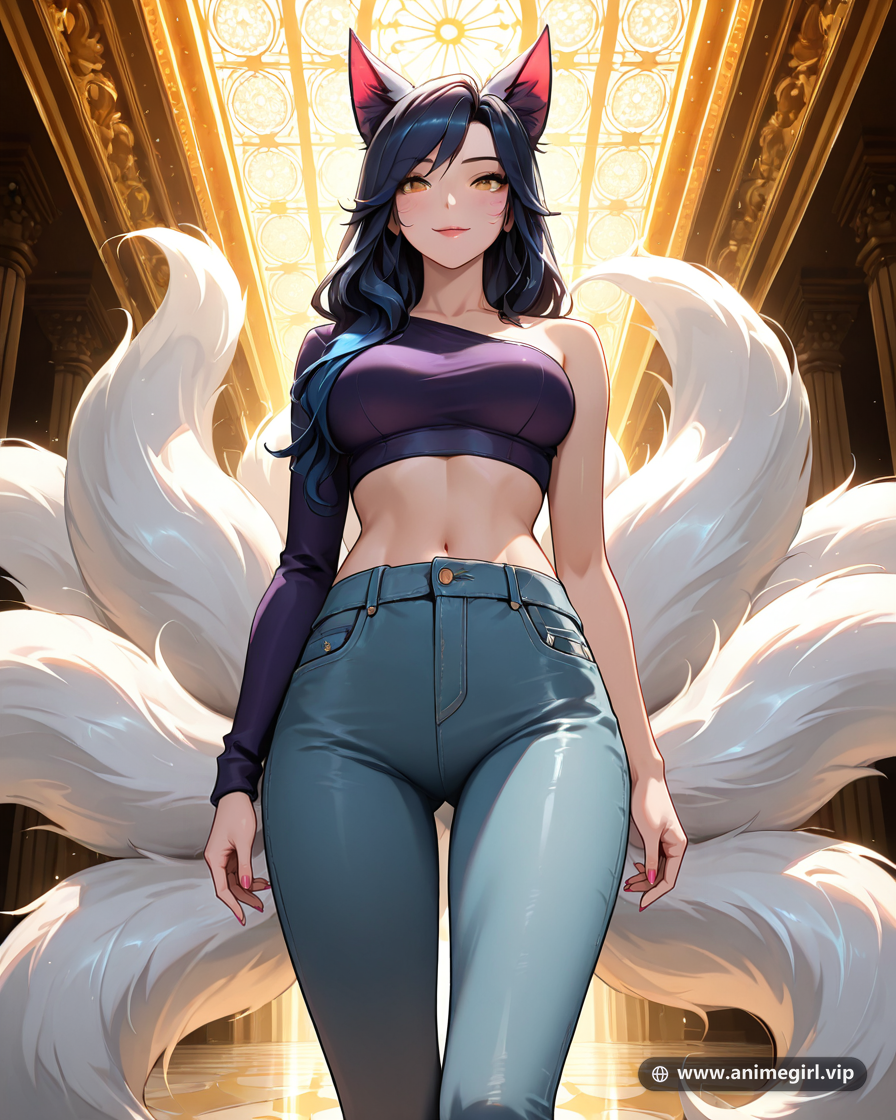
Why do certain anime illustrations stop you mid-scroll while others feel flat or artificial? The secret lies in how light interacts with skin, hair, and fabric at the microscopic level—a phenomenon digital painters call subsurface scattering (SSS) and chromatic shadow transition:
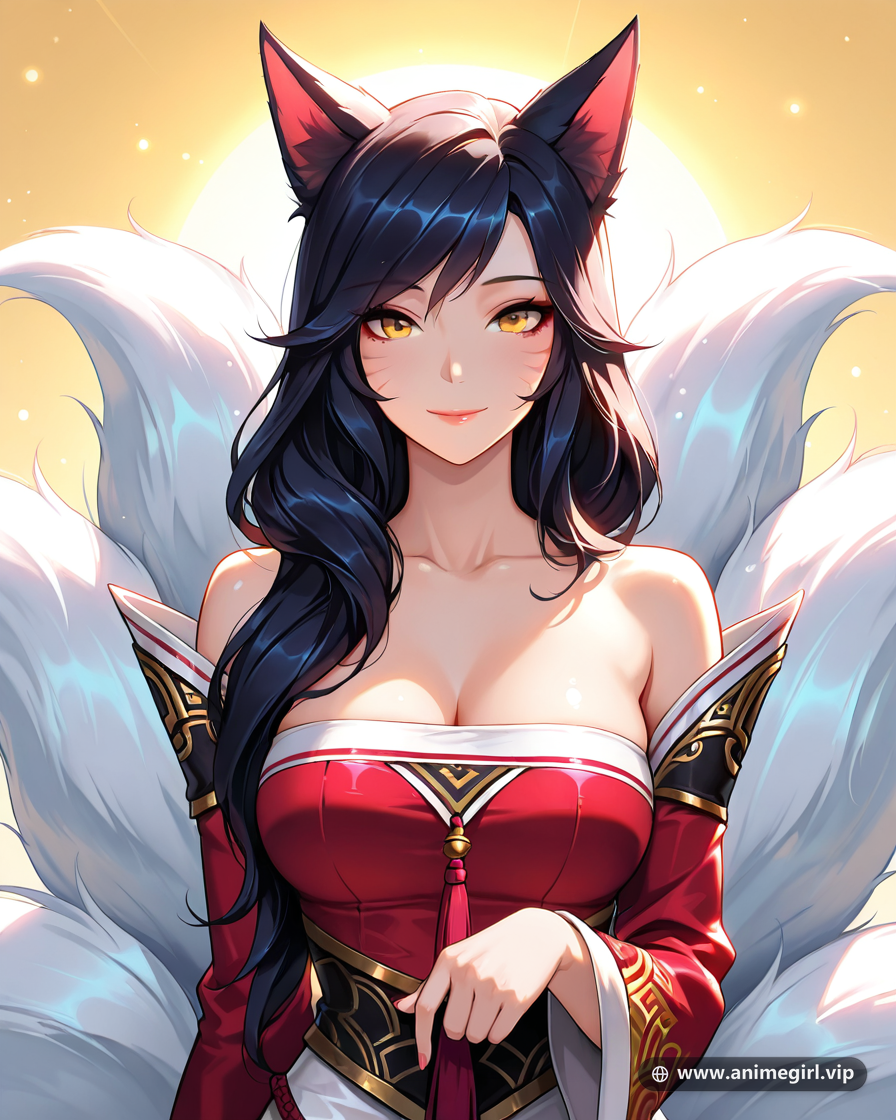
- The Warm Blood-Tone Terminator Line: On porcelain or sun-kissed anime skin, the boundary where direct light meets shadow (the terminator) should never be a muddy grey line. Introducing a soft coral-pink or warm peach saturation band along cheek and collarbone shadows makes the character look warm and alive.
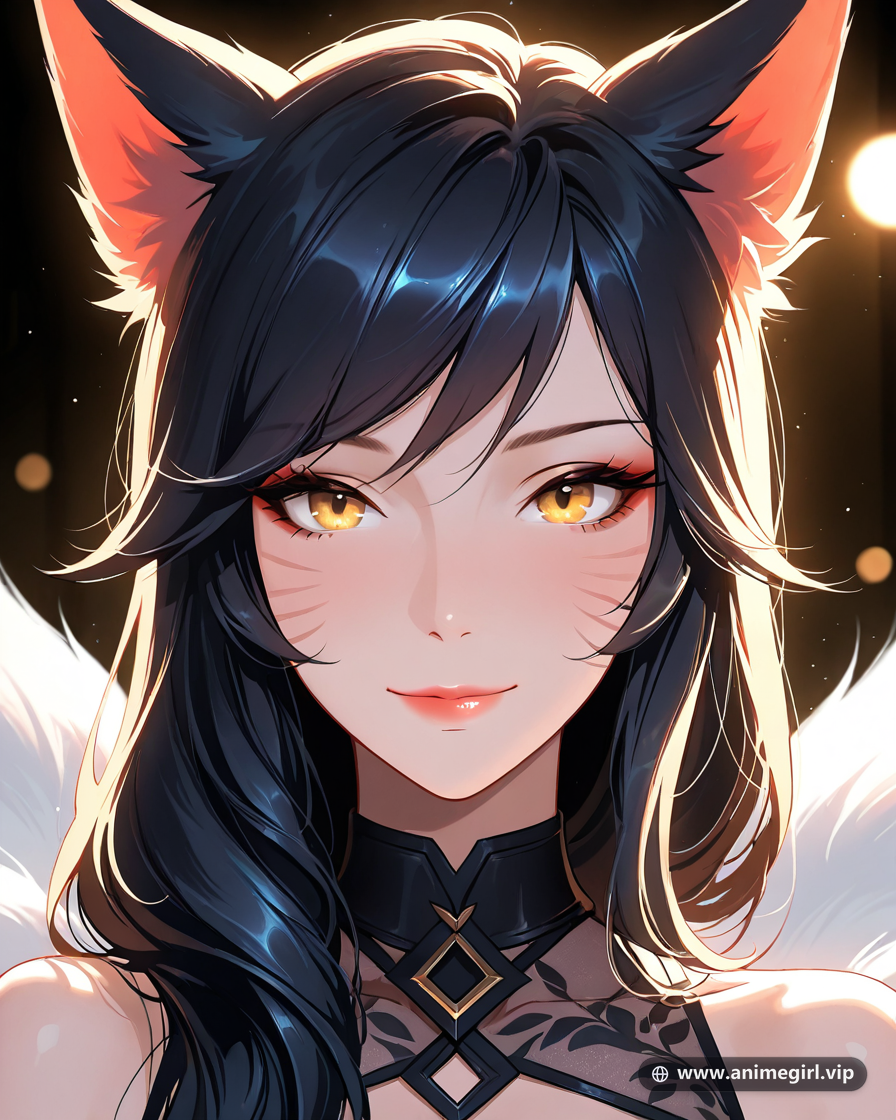
- Hair Translucency Against Backlight: When a character stands in front of a sunset window, neon billboard, or moonlit sky, individual flyaway hair strands and bangs become semi-translucent. Prompting for
sunlight glowing through translucent bangs, fine floating hair strands, angel-ring hair specularrecreates this signature anime artbook polish. - Environmental Color Bounce: A heroine standing in a verdant summer meadow absorbs soft emerald bounce light along the underside of her jaw and sleeves; the same heroine on a rain-slicked cyberpunk balcony absorbs magenta and cyan reflections from wet asphalt puddles below.
Step-by-Step Studio Director Workflow: From Concept to Master Render
To get consistent, publication-ready illustrations inspired by Top 10 Female Protagonists Who Dominated Shonen Anime inside the AnimeGirl.vip Studio, follow this four-stage creative director workflow used by top community artists:
- Stage 1 — Lock the Silhouette in 4:5 Feed Mode First: Before adding complex weather particles or background architecture, test your core character identity and outfit tokens in 4:5 Portrait mode (896×1152). Verify that the hair cut, eye color, and primary garment shader read cleanly at thumbnail size.
- Stage 2 — Introduce a Narrative Prop or Hand Gesture: Static arms hanging at the sides drain energy from a portrait. Give your heroine a purposeful action—holding a steaming teacup, resting fingers on a katana hilt, adjusting half-rim spectacles, or conjuring a luminous spell orb. Not only does this tell a story, it also anchors five-finger hand anatomy.
- Stage 3 — Apply Dual-Source Studio Lighting: Pair a primary warm directional key light (golden sunset, candle lantern, or amber café bulb) with a secondary cool rim light (moonlight, cyan rain reflection, or arcane glow) to carve the silhouette out from the backdrop.
- Stage 4 — Scale Up with 4x Batch & 9:16 Story Format: Once your prompt formula is dialed in, use Creator Tier’s ($9.99/mo) 9:16 Vertical Story Format (768×1344) and 4x Batch mode to generate full-screen mobile lockscreens with clean upper-sky negative space for smartphone clock widgets and zero watermarks.
Want Unwatermarked Master Renders, 9:16 Lockscreens & Commercial Rights?
Try any prompt from this guide free in our AI Anime Studio, or upgrade to Premium ($5.99/mo — 50 daily creations) or Creator ($9.99/mo — 100 daily creations + 9:16 vertical Story mode) with Priority GPU Queue, zero watermarks, private cloud storage, and full commercial licensing.
Frequently Asked Questions
What makes a great female protagonist in shonen anime?
Great shonen heroines possess active narrative agency, independent motivations, distinct combat or strategic abilities, and complex character development rather than existing solely as romantic interests or damsels in distress.
Who was the first female JoJo in JoJo's Bizarre Adventure?
Jolyne Cujoh, the protagonist of Part 6: Stone Ocean, is the first and only female JoJo in Hirohiko Araki's acclaimed manga series.
Why is Maki Zenin's character arc in Jujutsu Kaisen so significant?
Maki's arc represents a rebellion against generational trauma and the patriarchal oppression of traditional sorcerer clans. Her transformation into a zero-cursed-energy warrior mirrors the legendary Toji Fushiguro.
Can female protagonists lead successful mainstream shonen series?
Absolutely. Series like The Promised Neverland, Stone Ocean, Kill la Kill, and Jujutsu Kaisen have achieved massive international commercial and critical success led by powerful female characters.
Discussion & Insights 6
What are your thoughts on Top 10 Female Protagonists Who Dominated Shonen Anime? Share your perspective, theories, or favorite moments below!
Leave a Thought
Join the discussion — be respectful and enjoy the anime banter.