 AnimeGirl.vip
Why Frieren: Beyond Journey's End Became a Modern Anime Masterpiece
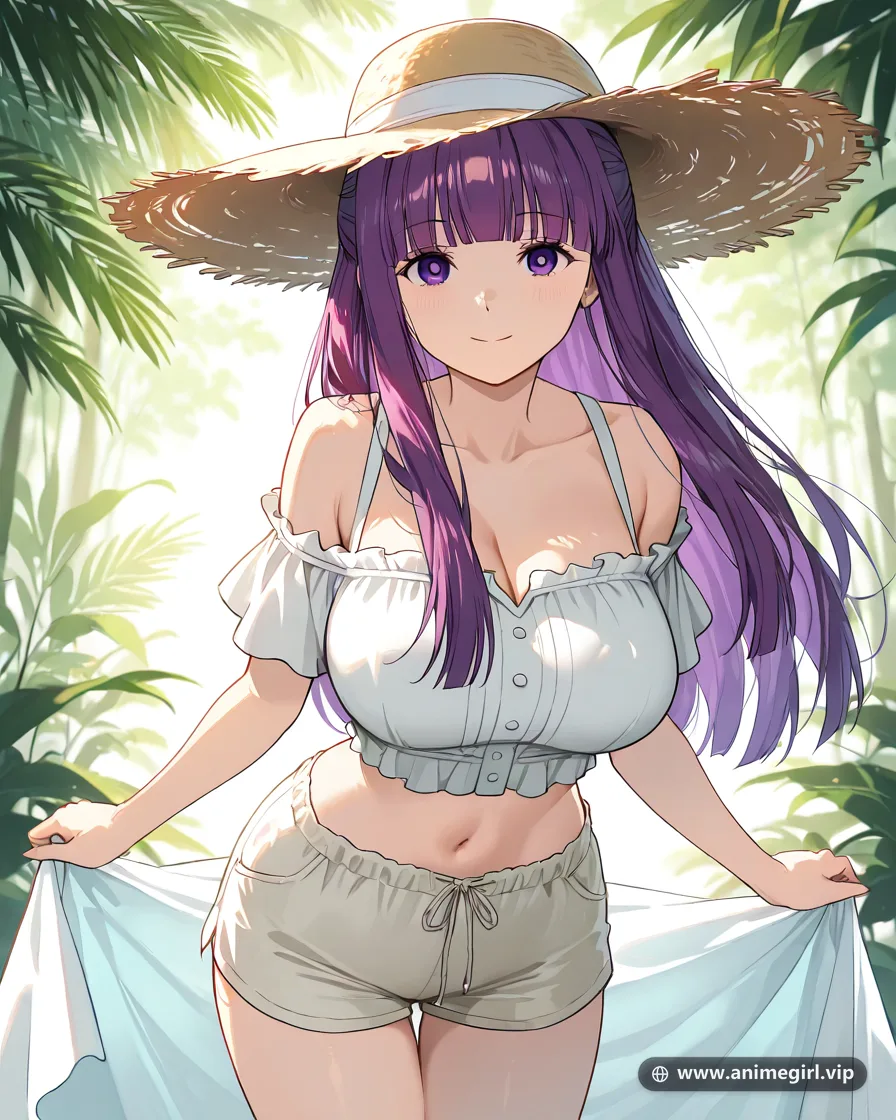
In an anime landscape dominated by power-fantasy isekai, overpowered heroes, and relentless action climaxes, Frieren: Beyond Journey's End (Sousou no Frieren) arrived like a breath of crisp mountain air. Rather than chronicling the arduous quest to slay the Demon King, writer Kanehito Yamada and illustrator Tsukasa Abe chose to begin their story exactly where most epic fantasies roll their closing credits: during the grand victory celebration in the royal capital.
By framing its entire narrative around the aftermath of a legendary ten-year adventure, Frieren explores a profound, universally human theme rarely tackled in mainstream fantasy: the relentless passage of time, the grief of overlooked moments, and the quiet beauty of fleeting human connections.
The Weight of Elven Immortality: One Percent of a Life
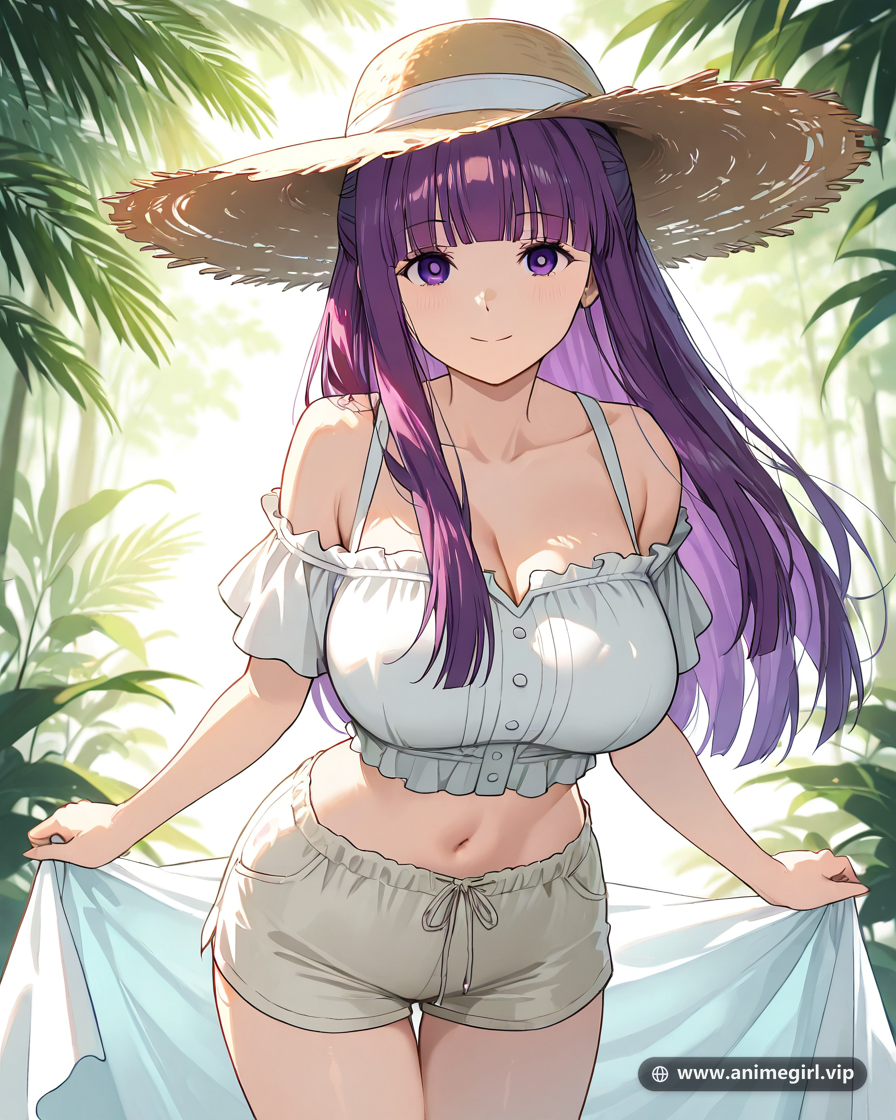
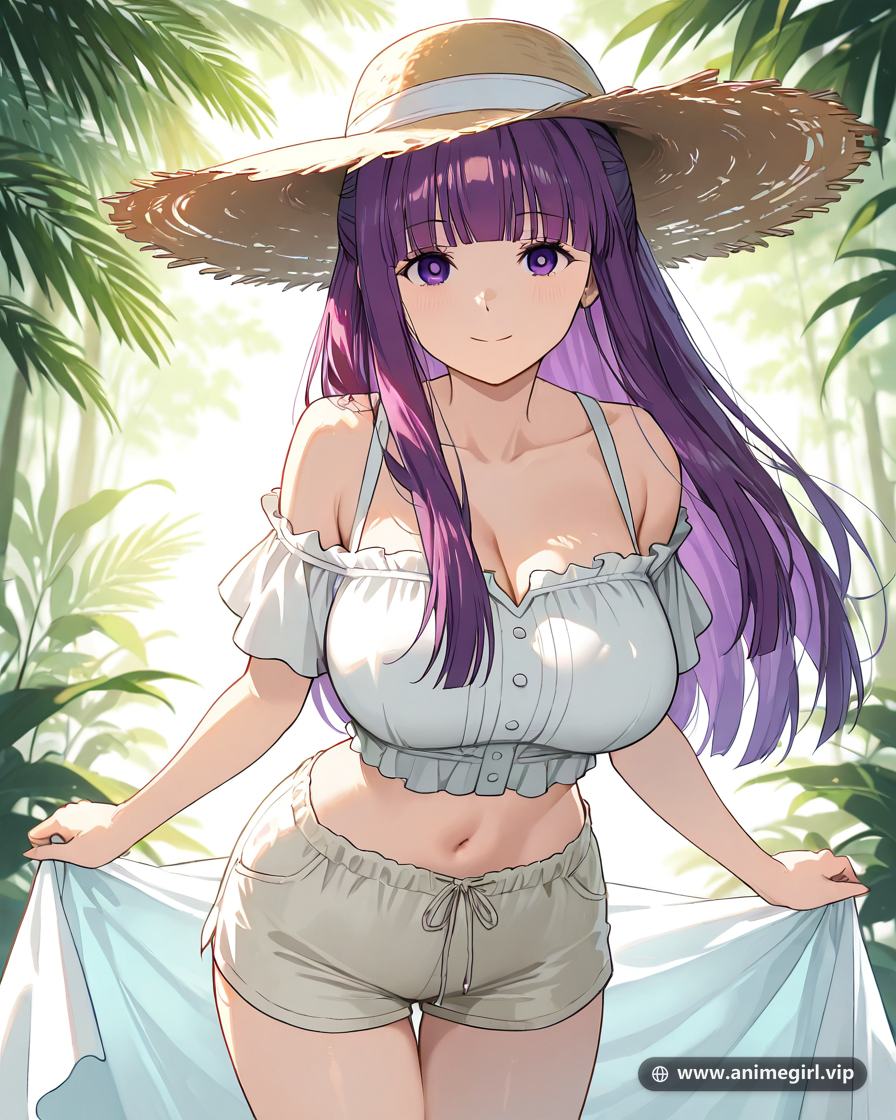
At the beating heart of the series is Frieren herself—a thousand-year-old elven mage whose perception of time is fundamentally alien to the mortal beings around her. To an elf who has roamed the continent for millennia, a ten-year quest to save civilization felt like an insignificant blink of an eye—hardly one-hundredth of her lifespan. When the hero Himmel gently suggests that spending ten years together was meaningful, Frieren is initially incapable of understanding his sentiment.
It is only decades later, as she stands before Himmel's casket amidst a sorrowful gathering of townsfolk, that the dam breaks. Watching the once-vibrant young hero lowered into the earth as an elderly man, tears stream down her face: "I only traveled with him for ten years... Why didn't I try to get to know him better?"
This heartbreaking epiphany sets the foundation for the entire series. Frieren's new journey toward Ende (Heaven), where souls are said to rest, is not motivated by grand heroism or world-saving ambition. It is an introspective pilgrimage of redemption—a quiet quest to truly understand human beings before their brief candles flicker out.
Fern: The Heart, Voice of Reason, and Emotional Anchor
While Frieren represents the weight of the past, her apprentice Fern represents the living, breathing present. Rescued as a war orphan by the corrupted priest Heiter and entrusted into Frieren's tutelage, Fern grows into one of the most compelling and nuanced heroines in contemporary anime.
Fern is characterized by a remarkable emotional maturity coupled with endearing teenage idiosyncrasies. She acts as both daughter and mother to Frieren, waking the sleepy elf up in the morning, managing their daily travel finances, and gently scolding her mentor whenever she splurges on useless grimoires or questionable magical curiosities.
What makes Fern especially beloved across the global anime community is her subtle expressiveness. In an era where anime humor often relies on loud screaming and exaggerated slapstick, Fern's deadpan reactions, silent judging stares, and iconic puffed-cheek pouts communicate volumes of personality without uttering a single unnecessary word.
Stark and the Power of Relatable Vulnerability
Joining Frieren and Fern on their northern voyage is Stark, the disciple of the dwarven warrior Eisen. Despite possessing superhuman strength capable of cleaving sheer cliffs in two, Stark is introduced as a trembling, self-doubting youth who freely admits that he is terrified of monsters.
Through Stark, the series explores courage not as the total absence of fear, but as the resolve to fight while trembling. His sweet, awkward romantic chemistry with Fern provides some of the most heartwarming moments in modern slice-of-life storytelling. Their shared dance during the Graf Granat banquet stands as one of the visual highlights of the entire production—a masterclass in subtle body language and blossoming affection.
A World Where Mundane Magic Holds Equal Value
Most fantasy worlds treat magic purely as artillery—a metric of power levels, destructive tiers, and battlefield superiority. Frieren takes a refreshingly whimsical approach by elevating trivial, domestic spells to equal artistic significance:
- The spell to turn sweet grapes sour: Beloved by Eisen because it allows him to savor his favorite tart flavor.
- The spell to remove rust from bronze statues: Used continuously by Frieren to preserve monuments of Himmel across towns that have forgotten his voice.
- The spell to bloom a field of blue moon weeds: Himmel's favorite flower, bringing life and beauty to forgotten ruins.
By treating magic as an art form rather than mere weaponry, the series highlights Himmel's guiding philosophy: "Magic is something fun. That's why we loved it." When cataclysmic combat does occur—such as the ferocious battles against the demon retainers of Aura the Guillotine—the magic carries immense weight because of how rarely it is drawn purely in anger.
Production Brilliance: Studio Madhouse and Evan Call
The stellar critical acclaim of the anime adaptation owes an immense debt to Studio Madhouse and director Keiichiro Saito (previously acclaimed for Bocchi the Rock!). Saito brought an exquisite cinematic sensibility to the pacing, allowing quiet scenery shots of northern forests, crumbling stone bridges, and falling autumn leaves to breathe with genuine atmospheric tranquility.
Complementing the visuals is composer Evan Call's majestic orchestral score, which weaves traditional Celtic instruments, acoustic guitars, and stirring choral harmonies to evoke an ancient, timeless European folklore aesthetic. Every duel, quiet campfire conversation, and sunrise is elevated into an unforgettable sensory experience.
Conclusion: Why Frieren's Legacy Will Endure
Frieren: Beyond Journey's End achieved its historic number-one ranking across global anime platforms because it touches something raw and real within every viewer. It reminds us that our time with the people we cherish is inherently limited, that every shared meal and quiet conversation matters, and that love often looks like paying close attention to the small things someone left behind.
The Art Direction Philosophy Behind Why Frieren
When veteran animation directors, key animators (genga artists), and digital illustrators approach Why Frieren, they never treat the frame as a static photograph. In Japanese visual storytelling, every square inch of the canvas participates in an emotional dialogue with the viewer. From the thickness of the outer contour linework to the subtle temperature shift between sunlit highlights and ambient shadow cores, the goal of Beyond Journey's End Became a Modern Anime Masterpiece is to create a sense of living presence—the feeling that the character just took a breath a split-second before the shutter clicked.
Historically, during the cel-animation era of the late 1980s and 1990s, background painters working in gouache and poster color had to rely on dramatic value contrast to separate a heroine from her environment. Today, modern digital compositing pipelines—pioneered by studios like Kyoto Animation, Ufotable, CloverWorks, Wit Studio, and MAPPA—combine multi-plane camera depth with volumetric light scattering, delicate lens bloom, and chromatic rim highlights. Yet the fundamental rule remains unchanged: silhouette clarity and eye expression govern the entire composition.
Color Psychology, Subsurface Scattering & Atmospheric Depth
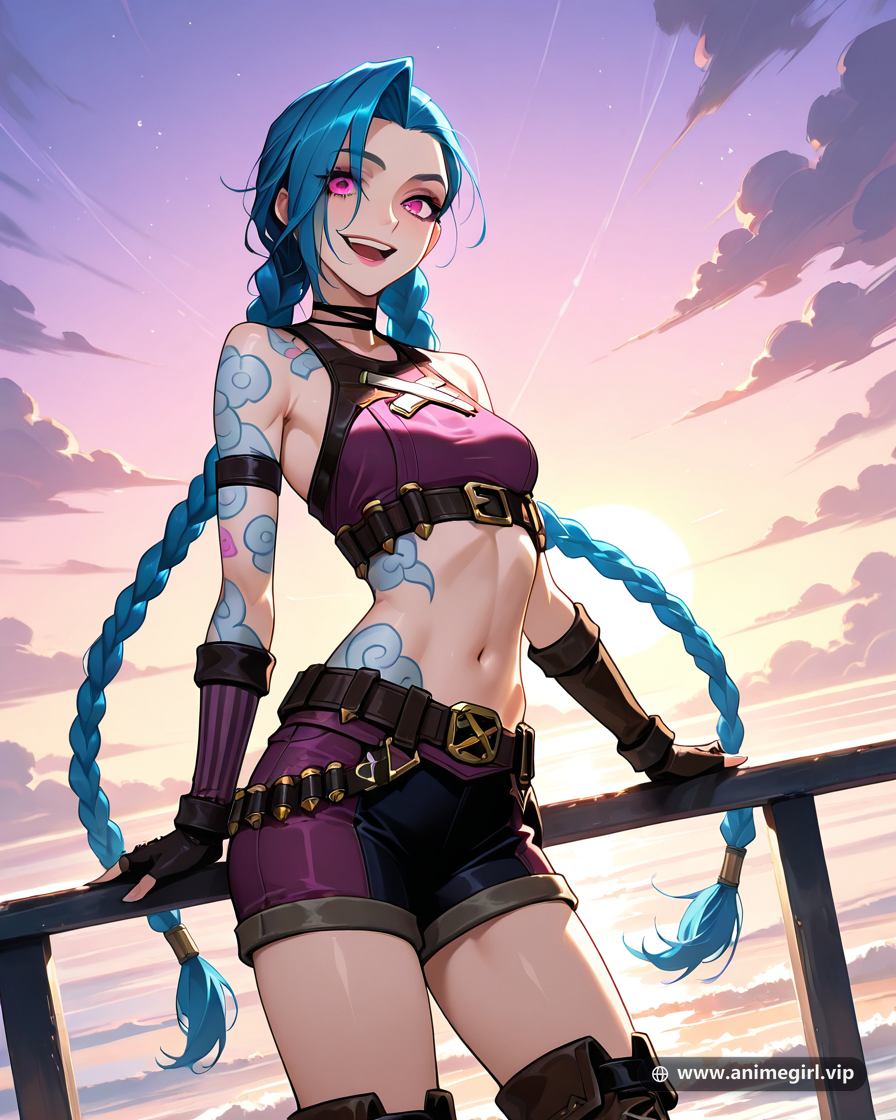
Why do certain anime illustrations stop you mid-scroll while others feel flat or artificial? The secret lies in how light interacts with skin, hair, and fabric at the microscopic level—a phenomenon digital painters call subsurface scattering (SSS) and chromatic shadow transition:
- The Warm Blood-Tone Terminator Line: On porcelain or sun-kissed anime skin, the boundary where direct light meets shadow (the terminator) should never be a muddy grey line. Introducing a soft coral-pink or warm peach saturation band along cheek and collarbone shadows makes the character look warm and alive.
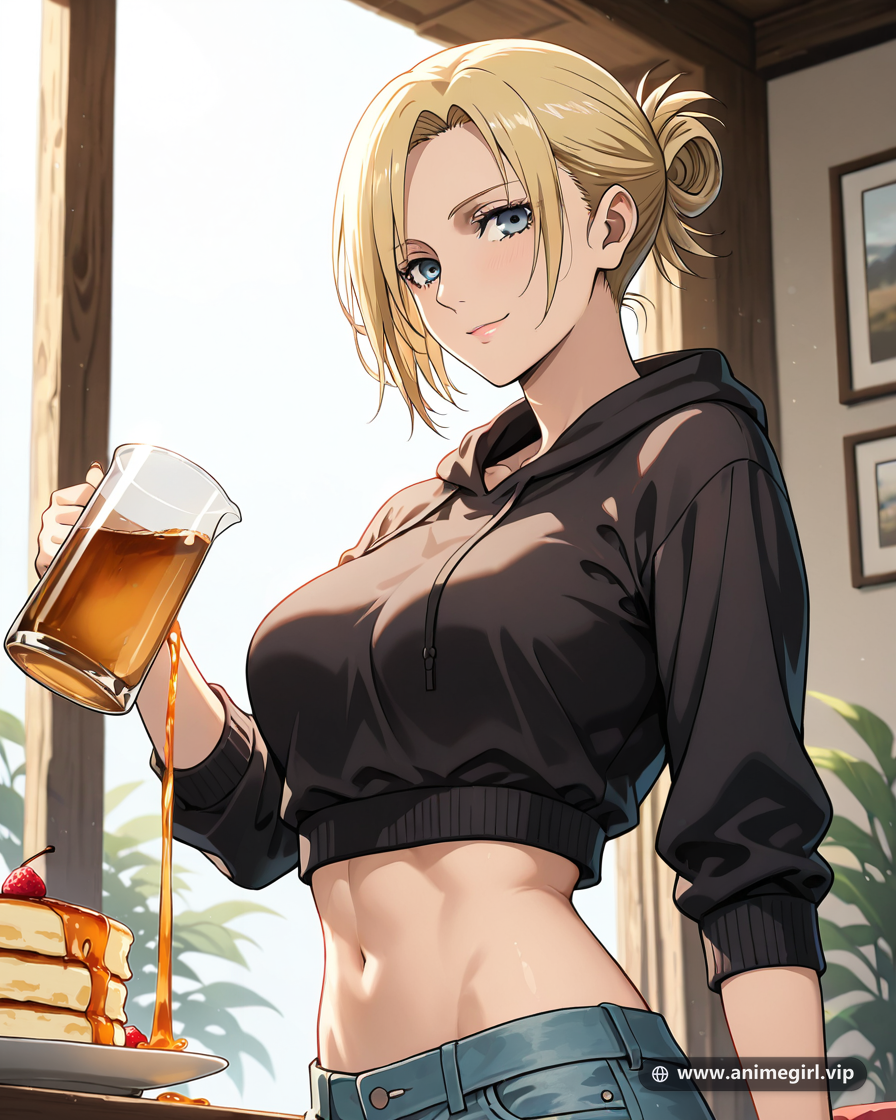
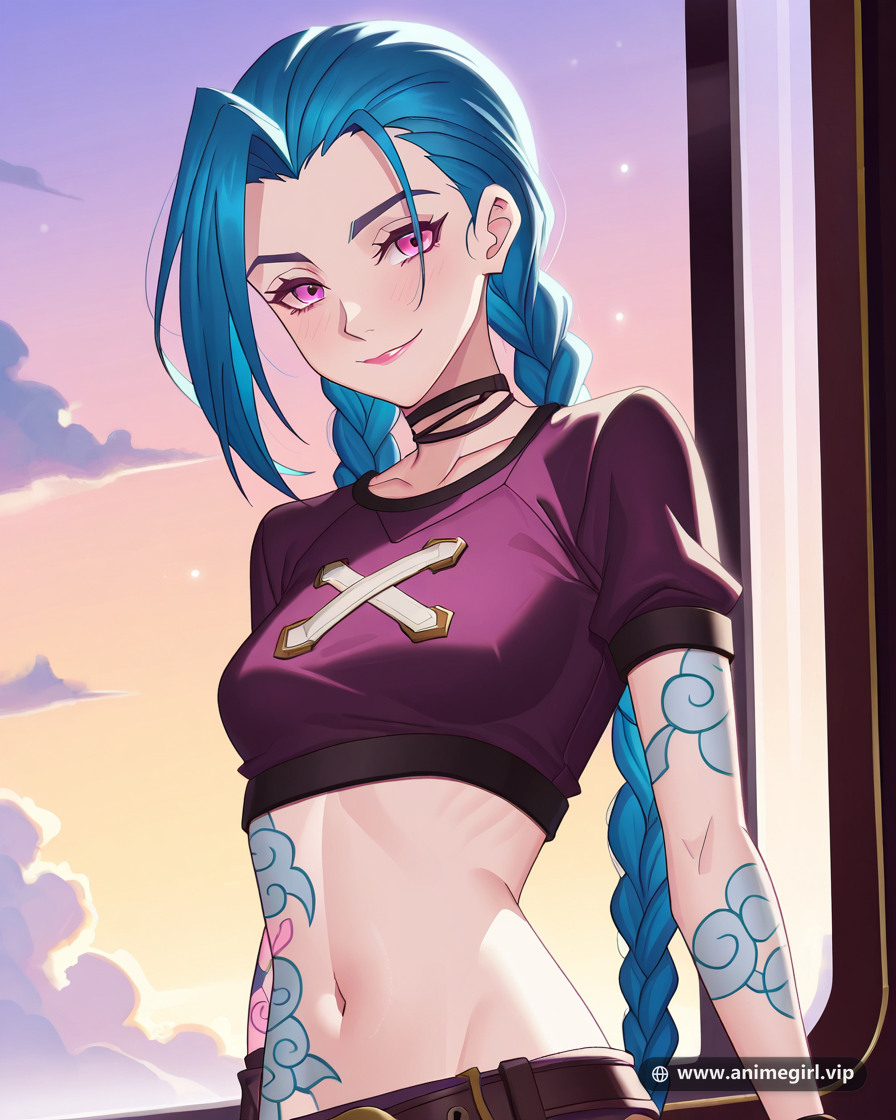
- Hair Translucency Against Backlight: When a character stands in front of a sunset window, neon billboard, or moonlit sky, individual flyaway hair strands and bangs become semi-translucent. Prompting for
sunlight glowing through translucent bangs, fine floating hair strands, angel-ring hair specularrecreates this signature anime artbook polish. - Environmental Color Bounce: A heroine standing in a verdant summer meadow absorbs soft emerald bounce light along the underside of her jaw and sleeves; the same heroine on a rain-slicked cyberpunk balcony absorbs magenta and cyan reflections from wet asphalt puddles below.
Step-by-Step Studio Director Workflow: From Concept to Master Render
To get consistent, publication-ready illustrations inspired by Why Frieren: Beyond Journey's End Became a Modern Anime Masterpiece inside the AnimeGirl.vip Studio, follow this four-stage creative director workflow used by top community artists:
- Stage 1 — Lock the Silhouette in 4:5 Feed Mode First: Before adding complex weather particles or background architecture, test your core character identity and outfit tokens in 4:5 Portrait mode (896×1152). Verify that the hair cut, eye color, and primary garment shader read cleanly at thumbnail size.
- Stage 2 — Introduce a Narrative Prop or Hand Gesture: Static arms hanging at the sides drain energy from a portrait. Give your heroine a purposeful action—holding a steaming teacup, resting fingers on a katana hilt, adjusting half-rim spectacles, or conjuring a luminous spell orb. Not only does this tell a story, it also anchors five-finger hand anatomy.
- Stage 3 — Apply Dual-Source Studio Lighting: Pair a primary warm directional key light (golden sunset, candle lantern, or amber café bulb) with a secondary cool rim light (moonlight, cyan rain reflection, or arcane glow) to carve the silhouette out from the backdrop.
- Stage 4 — Scale Up with 4x Batch & 9:16 Story Format: Once your prompt formula is dialed in, use Creator Tier’s ($9.99/mo) 9:16 Vertical Story Format (768×1344) and 4x Batch mode to generate full-screen mobile lockscreens with clean upper-sky negative space for smartphone clock widgets and zero watermarks.
Want Unwatermarked Master Renders, 9:16 Lockscreens & Commercial Rights?
Try any prompt from this guide free in our AI Anime Studio, or upgrade to Premium ($5.99/mo — 50 daily creations) or Creator ($9.99/mo — 100 daily creations + 9:16 vertical Story mode) with Priority GPU Queue, zero watermarks, private cloud storage, and full commercial licensing.
Frequently Asked Questions
What makes Frieren different from other fantasy anime?
Instead of focusing on a hero's quest to defeat the final boss, Frieren begins after the Demon King is already defeated, focusing on the psychological passage of time, human relationships, and the memories left behind.
Why is Fern such a popular character among fans?
Fern is celebrated for her grounded personality, realistic maturity, endearing deadpan humor, and her sweet dynamic as both caretaker and apprentice to the eccentric Frieren.
Who animated the Frieren anime adaptation?
The adaptation was produced by Studio Madhouse and directed by Keiichiro Saito, with an acclaimed musical score composed by Evan Call.
Does Frieren feature romance?
Yes, through subtle, poignant subtext. The emotional bond between Frieren and Himmel is explored through flashbacks, while Fern and Stark share a developing, heartfelt romantic dynamic.
Discussion & Insights 7
What are your thoughts on Why Frieren: Beyond Journey's End Became a Modern Anime Masterpiece? Share your perspective, theories, or favorite moments below!
Leave a Thought
Join the discussion — be respectful and enjoy the anime banter.