 AnimeGirl.vip
The Ahri Effect: How One Nine-Tailed Fox Shaped a Decade of Gacha & VTuber Character Tropes
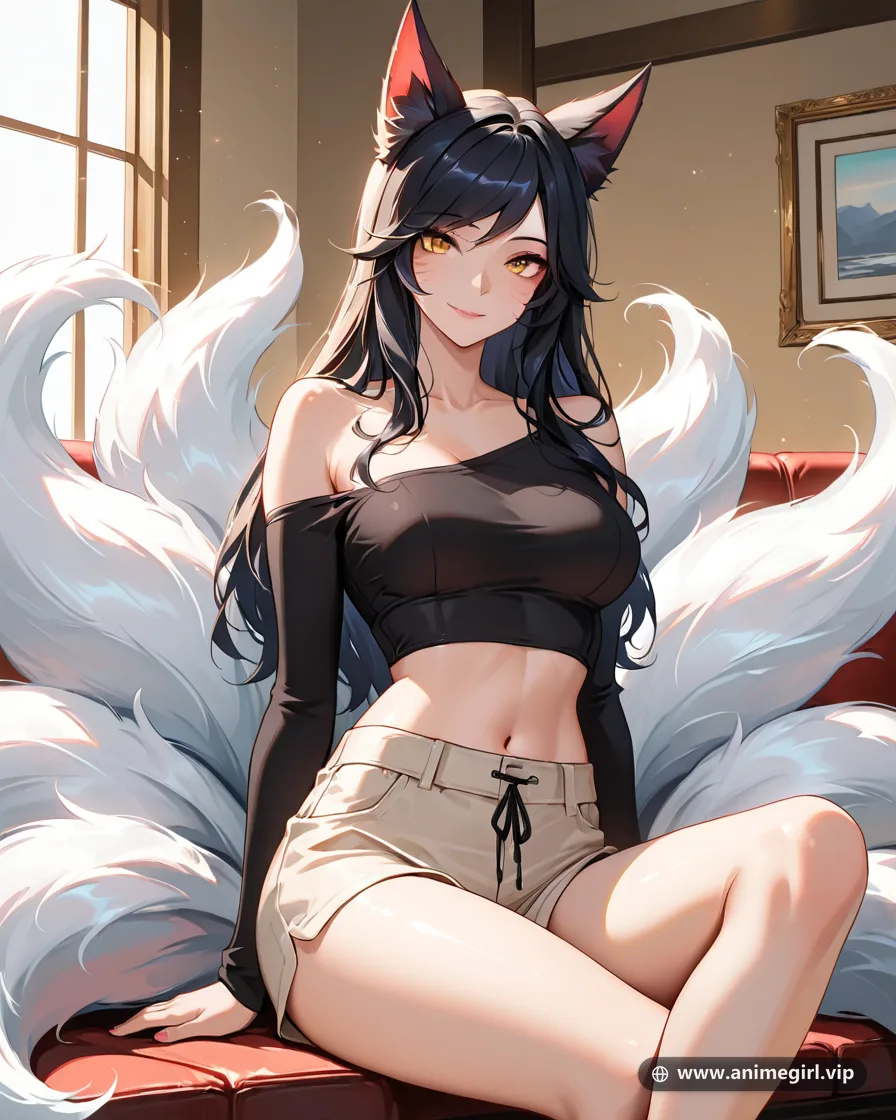
Every creative industry has its watershed moments—singular character designs that capture global cultural zeitgeist so powerfully that they permanently re-wire how an entire archetype is drawn for the next decade. In the anime and gaming sphere, that character is Ahri.
When Riot Games introduced Ahri in 2011 and subsequently transformed her into a global pop-cultural juggernaut with the 2018 virtual K-pop sensation K/DA, they created what industry concept artists refer to as "The Ahri Effect". From the celestial fox shrine maidens of Genshin Impact and Honkai: Star Rail to the explosive multimillion-dollar rise of VTubers across Hololive and NIJISANJI, Ahri’s visual and behavioral DNA is imprinted across every corner of modern Asian digital entertainment.
1. The Visual Throne: Solving the Compositional Problem of Gacha Art
In mobile gacha games and card-battlers, character illustrators face a persistent compositional challenge: how do you make a single standing character look monumental without filling the background with distracting architectural clutter?
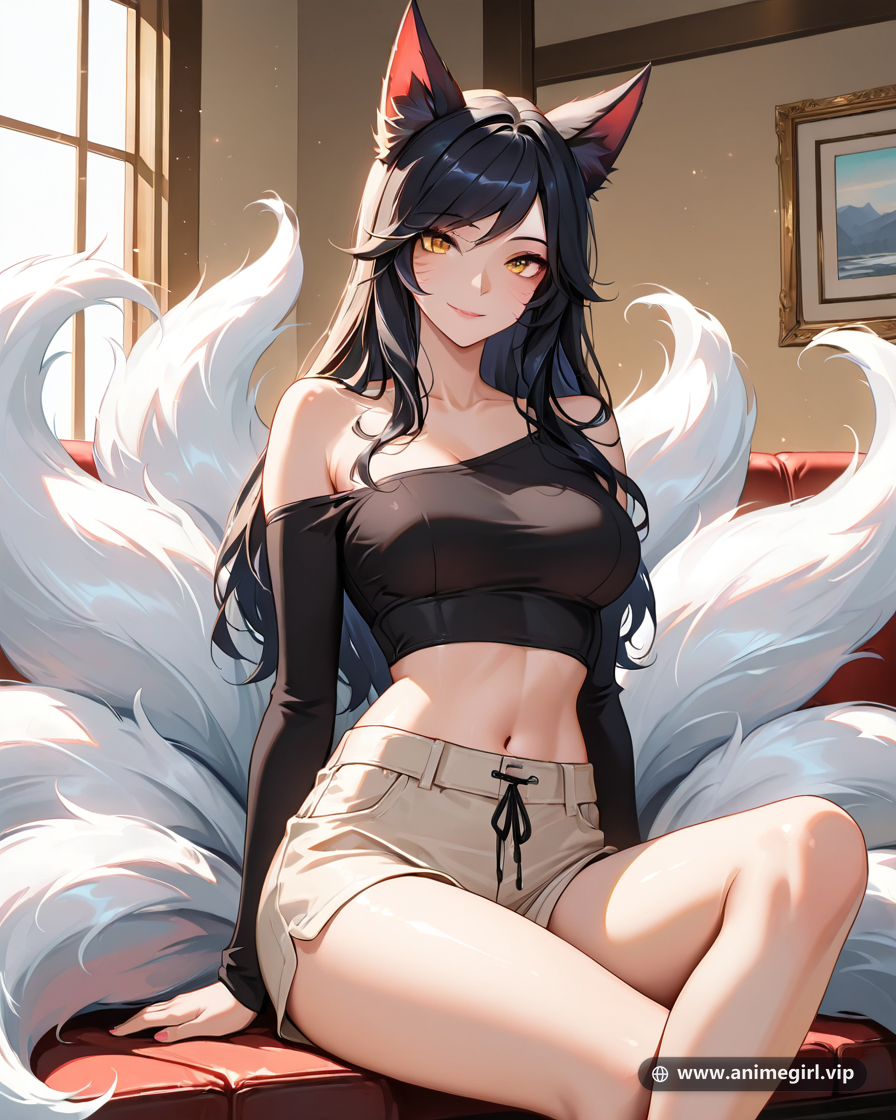
Ahri’s design provides the ultimate compositional cheat code. Her nine tails function as an organic architectural throne. By spreading in an arc behind her torso, the tails naturally frame the character's face, fill the negative space of the frame, and guide the viewer’s eye inward like a radial spotlight. When HoYoverse designed Yae Miko in Genshin Impact or Tingyun in Honkai: Star Rail, they utilized this exact silhouette geometry to command instant visual prestige.
2. K/DA and the Virtual Idol Revolution
Before November 2018, virtual idols were largely confined to niche Japanese subcultures centered around Hatsune Miku and Vocaloid concerts. When Riot released the music video for K/DA’s "POP/STARS", starring Ahri alongside Akali, Evelynn, and Kai'Sa, the video garnered over 500 million views and reached #1 on the Billboard World Digital Songs chart.
K/DA proved that mainstream global audiences would enthusiastically embrace 3D animated digital personas performing high-production choreography. Within eighteen months of K/DA's viral explosion, the commercial VTuber industry experienced unprecedented exponential growth, directly capitalizing on the aesthetic foundation that Ahri established on the global stage.
Want Unwatermarked Master Renders, 9:16 Lockscreens & Commercial Rights?
Try any prompt from this guide free in our AI Anime Studio, or upgrade to Premium ($5.99/mo — 50 daily creations) or Creator ($9.99/mo — 100 daily creations + 9:16 vertical Story mode) with Priority GPU Queue, zero watermarks, private cloud storage, and full commercial licensing.
Frequently Asked Questions
What is "The Ahri Effect" in character design?
The Ahri Effect refers to how Ahri's 2011 silhouette and marketing success popularized the modern blend of kemonomimi animal ears, flowing silk sleeves, and mischievous charm across global anime and gacha games.
Which famous gacha characters share design DNA with Ahri?
Prominent examples include Yae Miko (Genshin Impact), Tingyun (Honkai: Star Rail), Tamamo no Mae (Fate/Grand Order), and Foxie/Dori archetypes across countless mobile RPGs.
How did K/DA Ahri influence the rise of virtual idols and VTubers?
K/DA's 2018 "POP/STARS" proved that a 3D animated video-game character could dominate mainstream billboard music charts, accelerating corporate investment into Hololive, NIJISANJI, and virtual streamers.
Why is the nine-tailed fox silhouette universally appealing to character artists?
The nine tails create a natural visual throne behind the character, allowing artists to frame dramatic poses and control negative space without cluttering the upper torso.
Discussion & Insights 4
What are your thoughts on The Ahri Effect: How One Nine-Tailed Fox Shaped a Decade of Gacha & VTuber Character Tropes? Share your perspective, theories, or favorite moments below!
Leave a Thought
Join the discussion — be respectful and enjoy the anime banter.