 AnimeGirl.vip
From 2011 Foxfire to Next-Gen Vastaya: The 13-Year Visual Evolution of Ahri
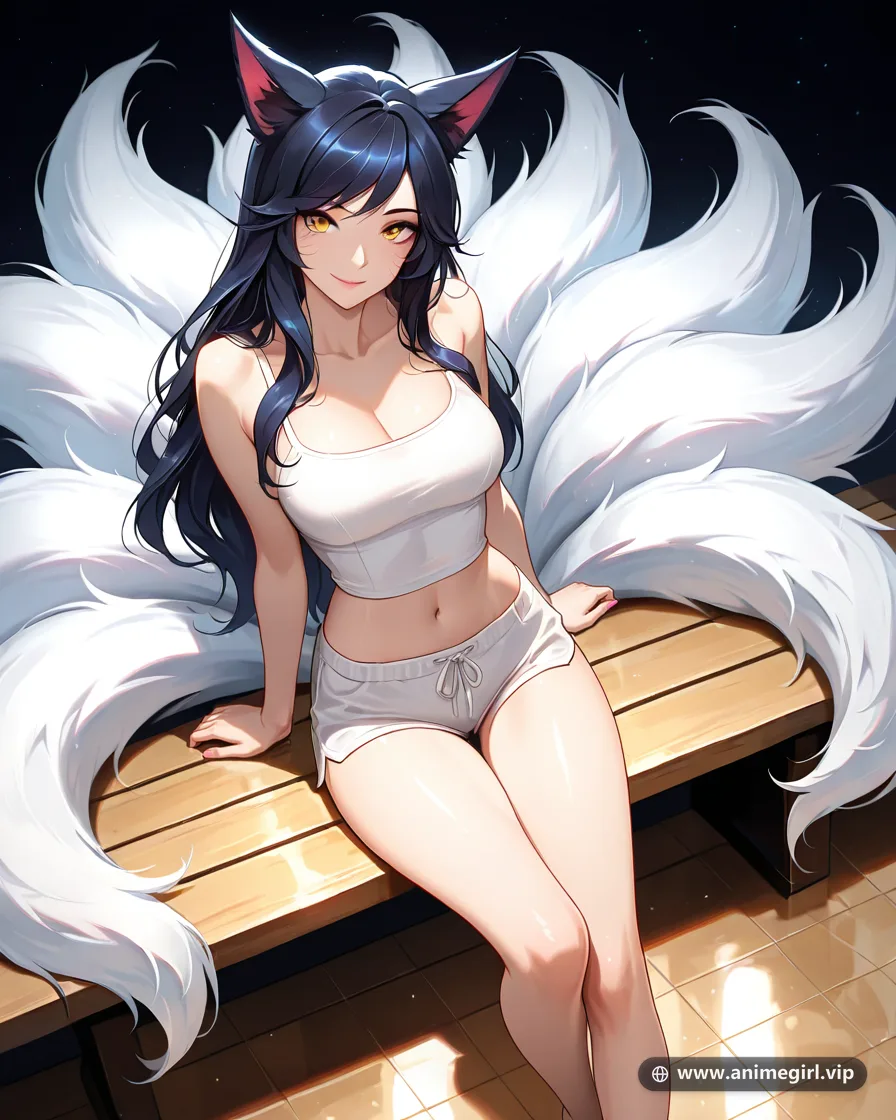
In the fast-moving world of digital character art, thirteen years is an eternity. When Ahri debuted in League of Legends patch 1.0.0.130 back in December 2011, she was a product of her time: a low-polygon model designed to run smoothly on budget graphics cards, sporting stiff hair meshes and nine tails that clumped together like a solid block of clay.
Fast forward to 2023, and Riot Games unleashed Ahri’s long-awaited Art and Sustainability Update (ASU). This was not a mere texture polish; it was a comprehensive ground-up reconstruction of her skeleton, cloth physics, facial animation blend shapes, and VFX rendering. In this technical and artistic post-mortem, we analyze how one of gaming's most recognizable fox maidens was meticulously rebuilt for a new generation of anime fans.
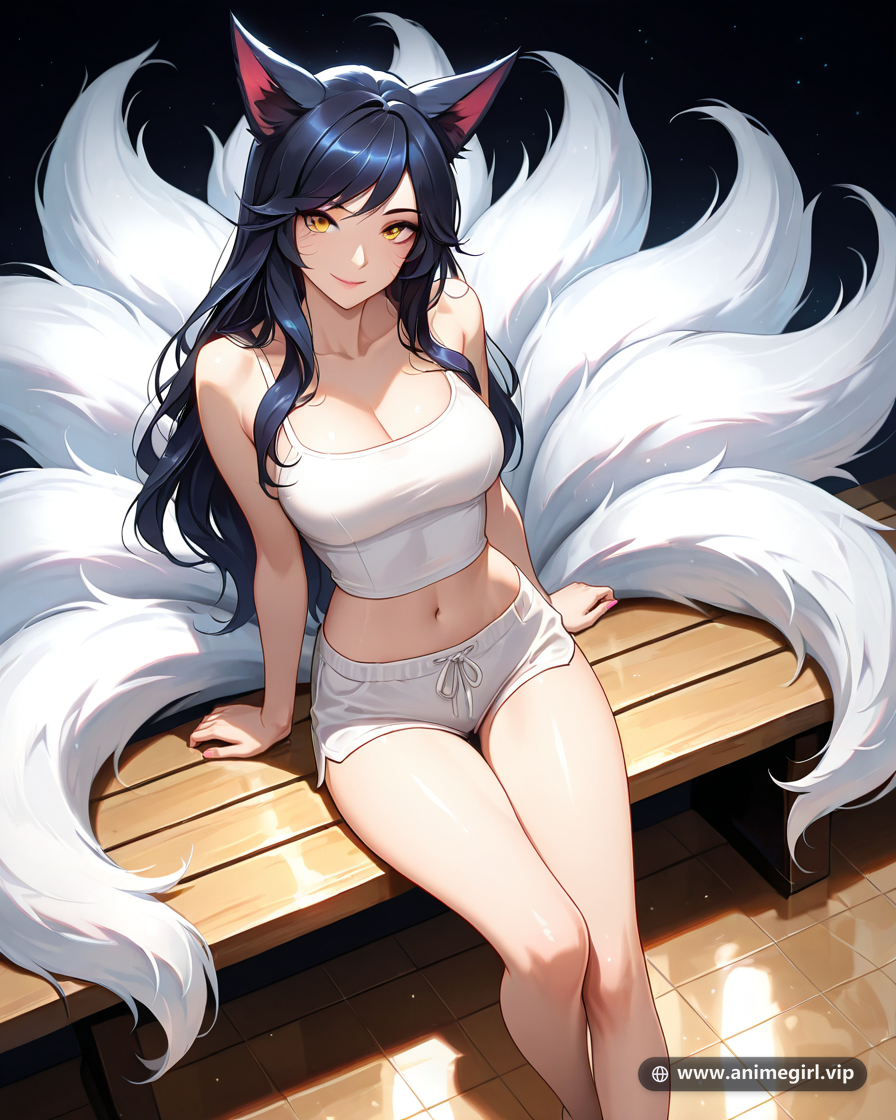
1. The Problem of the Nine Tails: Overcoming the Topology Nightmare
In character modeling, animating nine voluminous tails attached to a slender bipedal heroine is notoriously difficult. If the tails are rigid, they clip through the character’s thighs, weapons, and surrounding terrain. If they are too soft, they look like damp woolen noodles trailing in the dirt.
Riot’s tech art team solved this by establishing a custom secondary animation driver. Each tail is split into 12 individual bone segments governed by a dampening curve. When Ahri turns sharply to cast Charm, the tails on the inside of the turn compress slightly while the outer tails flare outward, creating a breathtaking centrifugal fan of fur that visually anchors her evasive combat identity.
2. Facial Blend Shapes: From Inanimate Mask to Emotional Depth
The original 2011 model possessed a completely static face; her mouth opened mechanically during attack yells, but her eyes and brow were painted directly onto a flat texture sheet. In modern cinematic storytelling, this was unacceptable.
The updated rig incorporates over 60 expressive facial blend shapes. When Ahri channels her essence theft, her eyes narrow with feline concentration, her ears pin back instinctively, and her fangs subtly reveal themselves beneath her upper lip. She is no longer just a pretty anime doll; she is a sentient Vastayan creature balancing ancient beast instincts with human consciousness.
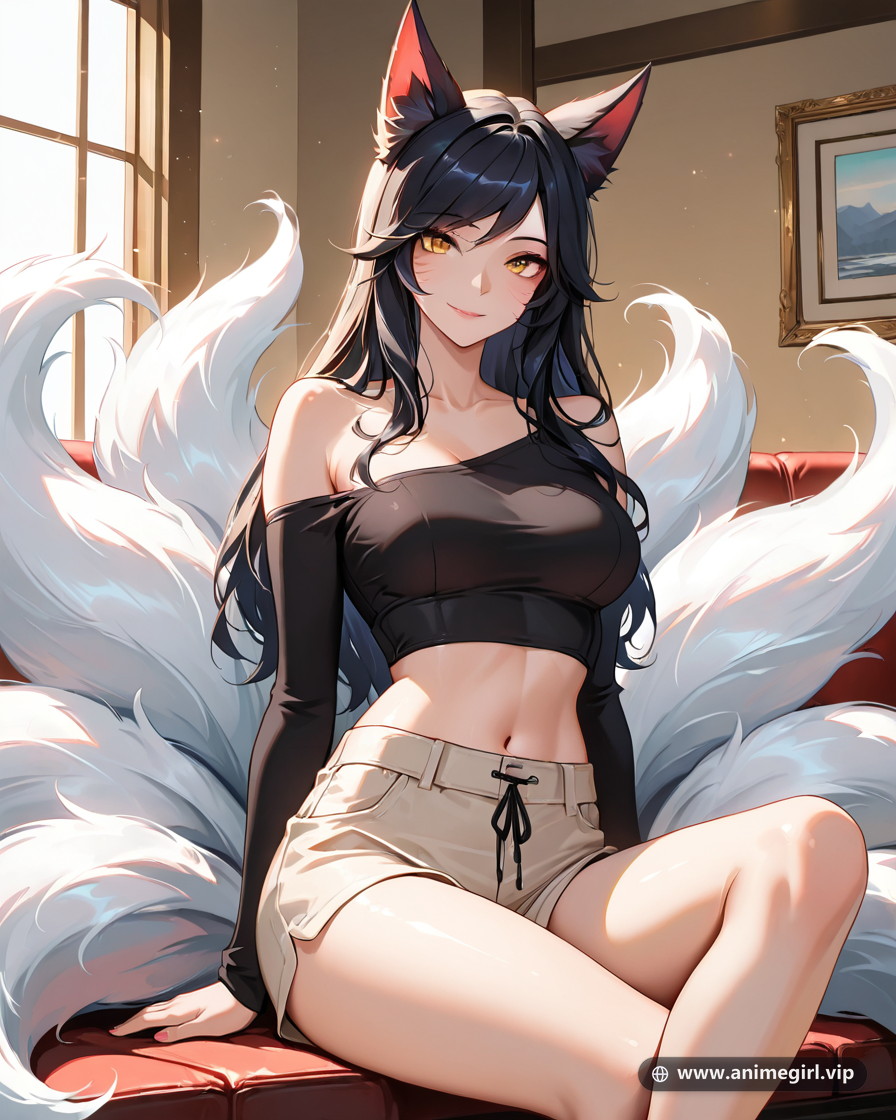
Want Unwatermarked Master Renders, 9:16 Lockscreens & Commercial Rights?
Try any prompt from this guide free in our AI Anime Studio, or upgrade to Premium ($5.99/mo — 50 daily creations) or Creator ($9.99/mo — 100 daily creations + 9:16 vertical Story mode) with Priority GPU Queue, zero watermarks, private cloud storage, and full commercial licensing.
Frequently Asked Questions
What does ASU stand for in League of Legends?
ASU stands for Art and Sustainability Update, a technical overhaul focused on modernizing character rigs, textures, animations, and model topology without altering gameplay kit abilities.
What were the major technical flaws with 2011 Ahri's original model?
Her original 2011 model suffered from stiff "pizza-crust" tails that clipped through her legs, wooden facial animations, and low-resolution textures that failed to reflect modern anime splash art fidelity.
How did the ASU improve Ahri's nine tails in combat animations?
Riot redesigned her nine tails with independent skeletal physics chains, allowing each tail to react naturally to gravity, running direction, and combat inertia.
How does Ahri's updated silhouette reflect modern anime aesthetics?
Her proportions were balanced from exaggerated cartoon dimensions into elegant, anatomical anime realism, emphasizing fluid silk garment physics and expressive facial tracking.
Discussion & Insights 4
What are your thoughts on From 2011 Foxfire to Next-Gen Vastaya: The 13-Year Visual Evolution of Ahri? Share your perspective, theories, or favorite moments below!
Leave a Thought
Join the discussion — be respectful and enjoy the anime banter.