 AnimeGirl.vip
Cel-Shading vs Painterly Textures: The Visual Evolution of Modern Anime Cinematography

The End of Flat Two-Dimensionality
For over half a century, the aesthetic definition of Japanese animation was anchored to traditional cel animation: clean, crisp black line art filled with flat blocks of color, delineated by two or three stepped shading tones (base color, shadow, and occasional highlight). This workflow, pioneered by Osamu Tezuka and refined throughout the golden age of 1980s and 90s anime, established the universal visual vernacular of the medium.
Over the past decade, however, a seismic technological revolution has transformed anime cinematography. Driven by advanced digital compositing tools, 3D CGI integration, and high-dynamic-range (HDR) display standards, modern studios have moved far beyond flat cel shading. Today, the cutting edge of animation is defined by the tension and synthesis between two major cinematic philosophies: hyper-stylized composite cel-shading and hand-painted textured realism.

Figure 1: Studio Fortiche's Arcane blends 3D keyframe animation with visible hand-painted matte oil brushstrokes.
Studio Methodologies: The Four Titans of Modern Compositing
To understand where modern anime cinematography is heading, one must examine the distinct visual pipelines established by the industry’s most influential creative houses:
- Ufotable (The Digital Compositing Powerhouse): As seen in Demon Slayer: Kimetsu no Yaiba and the Fate/stay night: Heaven's Feel trilogy, Ufotable’s signature is its proprietary Digital Team led by Yuichi Terao. Rather than relying solely on drawn frames, Ufotable builds elaborate 3D camera projections and overlays dynamic, realistic particle lighting, lens flares, and volumetric smoke onto hand-drawn characters, giving swords and elemental bursts tangible luminosity.
- Studio Fortiche (Painterly 2.5D Hybridization): French animation house Fortiche revolutionized global expectations with Arcane. Characters are modeled in 3D but their surfaces feature hand-painted digital oil textures with visible brushstrokes, completely discarding traditional cel-shading line boundaries.
- MAPPA (Cinematic Film Grain & Lens Distortion): In Chainsaw Man and Jujutsu Kaisen Season 2, MAPPA adopted live-action cinematic language. Directors Ryu Nakayama and Shota Goshozono integrated chromatic aberration, anamorphic lens flares, shallow depth of field, and heavy 35mm film grain overlays to simulate real camera optics.
- Kyoto Animation (Photographic Bokeh & Emotional Lighting): In masterworks like Violet Evergarden and Hibike! Euphonium, KyoAni prioritizes emotional optics. Every frame features soft Gaussian blur, photographic bokeh circles, and gentle light bleeds that evoke the tenderness of analog photography.
| Studio / Work | Primary Shading Style | Lighting & Compositing Philosophy |
|---|---|---|
| Ufotable (Demon Slayer) | Crisp cel-shading with heavy dynamic normal-map gradients | Volumetric lighting, dynamic 3D camera tracks, high-contrast digital particles |
| Fortiche (Arcane) | Painterly digital gouache/oil without black boundary lines | Cinematic live-action lighting with hand-painted matte brush textures |
| MAPPA (Chainsaw Man) | Naturalistic cel-shading with subdued saturation | Anamorphic lens flares, live-action camera shake, chromatic aberration |
| Kyoto Animation (Violet Evergarden) | Intricate multi-tone cel-shading with micro-highlights | Warm natural light bleeds, shallow depth of field, photographic bokeh |
The Future: AI-Assisted In-Betweening and Real-Time Volumetrics
As the line between 2D hand-drawn art and 3D rendering continues to blur, the ultimate question facing anime directors is no longer technical capability, but artistic intentionality. Flat cel shading retains a timeless, graphic iconicism that instantly communicates character silhouette and emotion without visual clutter.
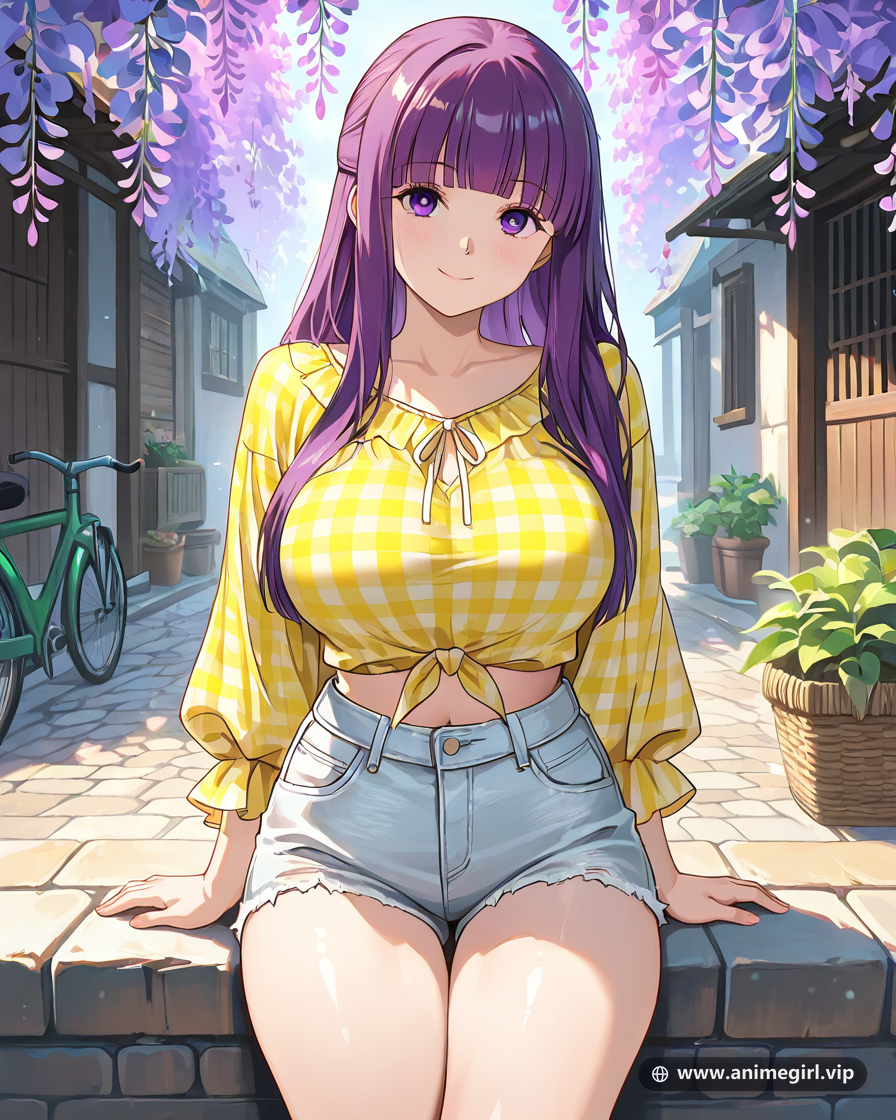
Figure 2: Madhouse's Frieren balances traditional clean cel line art with soft, watercolor-inspired environmental lighting.
Meanwhile, painterly textures and complex optical composite effects allow animated worlds to feel physically tangible, heavy, and atmospherically immersive. The masterpieces of the current era—from Sousou no Frieren to Arcane—succeed because they do not simply chase technological novelty; they select the exact visual rendering grammar that serves the emotional core of their narrative.
Want Unwatermarked Master Renders, 9:16 Lockscreens & Commercial Rights?
Try any prompt from this guide free in our AI Anime Studio, or upgrade to Premium ($5.99/mo — 50 daily creations) or Creator ($9.99/mo — 100 daily creations + 9:16 vertical Story mode) with Priority GPU Queue, zero watermarks, private cloud storage, and full commercial licensing.
Frequently Asked Questions
What is the primary difference between cel-shading and painterly textures?
Cel-shading uses flat blocks of uniform color separated by defined stepped lines (hard shadows). Painterly textures use gradual color blending, visible digital brushstrokes, and light gradients that simulate real-world oil or watercolor painting.
How does Ufotable achieve its unique lighting in Demon Slayer?
Ufotable integrates hand-drawn 2D animation with proprietary 3D compositing pipelines. Their Digital Team calculates real-world light bounces, volumetric fog, and particle physics, projecting lighting onto hand-drawn character frames.
Why did Chainsaw Man's anime adopt a live-action cinematic look?
Director Ryu Nakayama wanted the adaptation to mirror author Tatsuki Fujimoto's deep love for live-action cinema, utilizing shallow depth of field, naturalistic dialogue pacing, muted colors, and subtle body acting rather than theatrical anime clichés.
Will 3D completely replace 2D hand-drawn anime?
No. The prevailing industry trend is hybridization: utilizing 3D models for complex rotational cameras and heavy backgrounds while preserving hand-drawn 2D expression and timing for character emotional acting.
Discussion & Insights 4
What are your thoughts on Cel-Shading vs Painterly Textures: The Visual Evolution of Modern Anime Cinematography? Share your perspective, theories, or favorite moments below!
Leave a Thought
Join the discussion — be respectful and enjoy the anime banter.