 AnimeGirl.vip
The Evolution of the Gyaru in Anime: From Street Rebellion to Beloved Heroines
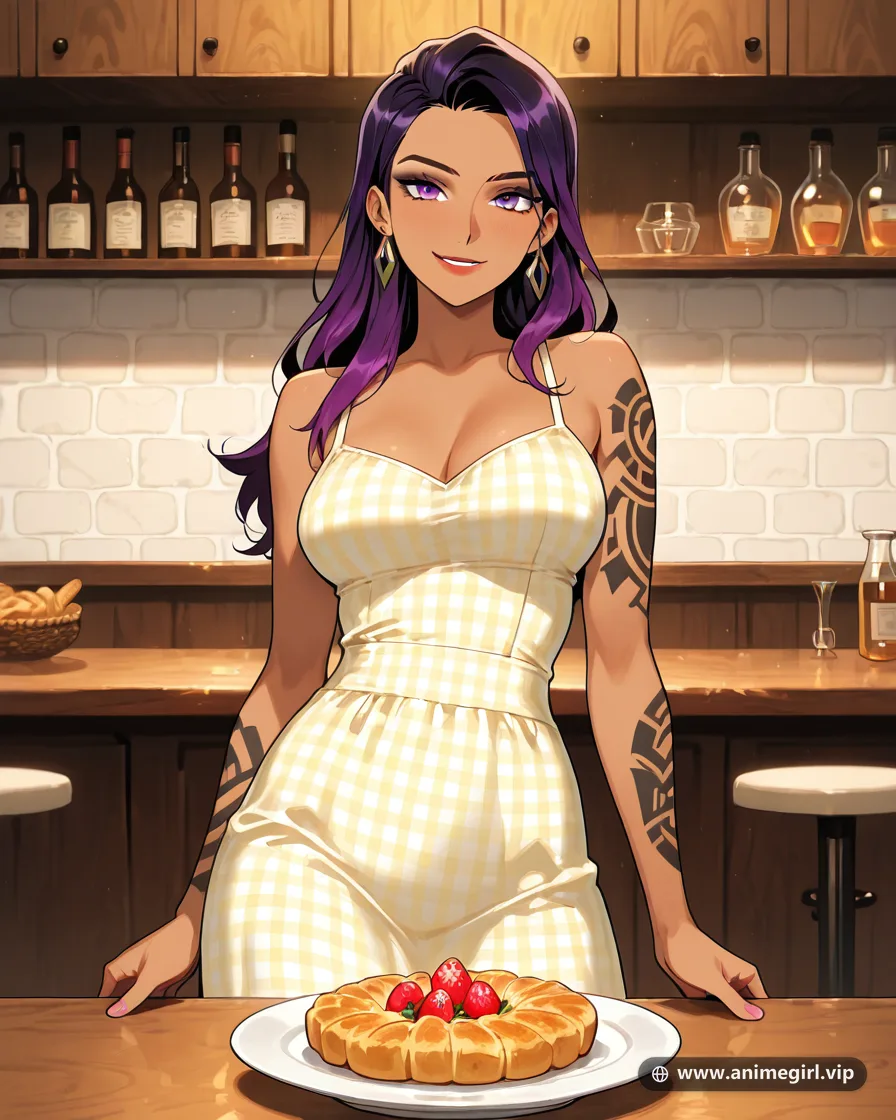
Over the past decade, a major romantic comedy renaissance has taken the anime world by storm, led by a distinct aesthetic: the Gyaru (gal). Characters like Yor Forger from Spy x Family and Momo Ayase from Dandadan have captured millions of hearts worldwide, praised for their confidence, radiant warmth, and refreshing lack of romantic pretense.
However, the portrayal of gyaru characters was not always so glowing. To appreciate why modern gyaru heroines feel so revolutionary, one must look back at the origins of the subculture in late-twentieth-century Tokyo and its decades-long evolution across Japanese pop media.
The 1990s Roots: Rebellion on the Streets of Shibuya
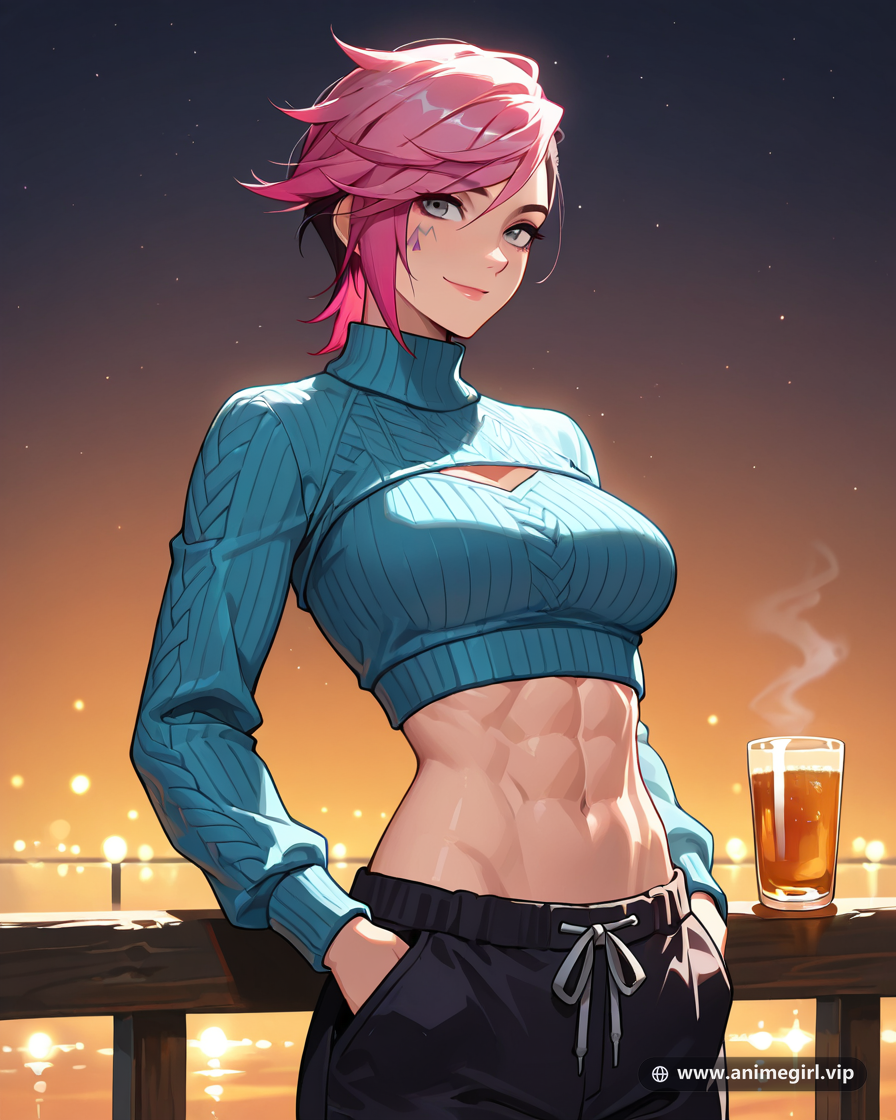
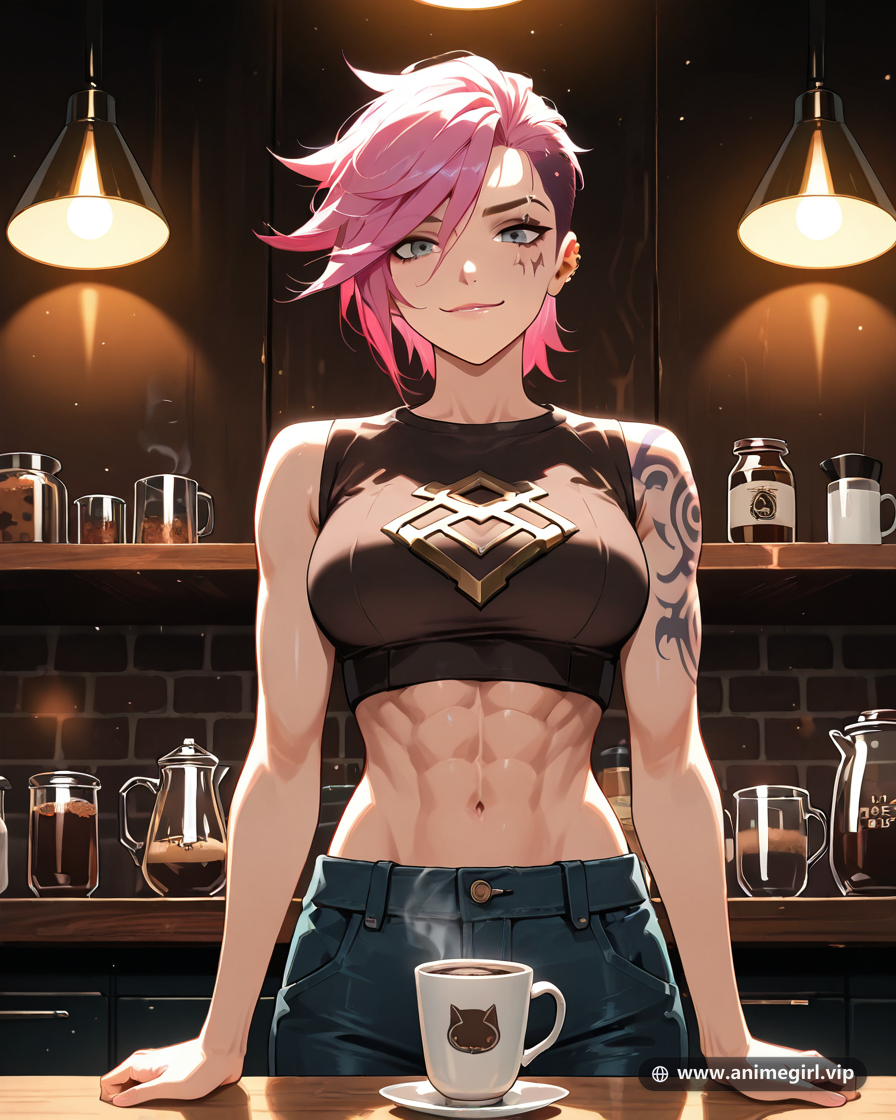
The gyaru subculture emerged in the early 1990s centered around Tokyo's Shibuya fashion district and the iconic Shibuya 109 department store. At a time when traditional Japanese society demanded young women conform to strict standards of modesty—natural jet-black hair, pale skin, muted clothing, and demure subservience—gyaru youth revolted:
- Bleached or caramel-dyed hair (Chapatsu): Defying uniform school codes that mandated pure black hair.
- Deep suntans (Ganguro / Yamanba): Consciously rejecting historical aristocratic ideals of porcelain white skin.
- Mini-skirts, loose socks, and colorful makeup: Customizing school uniforms into high-fashion statements.
- Unapologetic slang and street confidence: Creating their own vernacular, refusing to speak in traditional polite keigo.
At its core, original gyaru culture was an act of radical bodily autonomy and female camaraderie—a statement that young women owned their own appearance and would not alter their joy to satisfy conservative elders.
Early Anime Portrayals: Caricature and Delinquency
During the late 1990s and 2000s, mainstream anime frequently struggled to understand the nuance of the movement. Gyarus were often depicted as superficial background characters, loud classroom delinquents (sukeban offshoots), or materialistic comedic relief who skipped classes and spent exorbitant amounts of money on cosmetic shopping.
Because conservative social attitudes still viewed bleached hair and tanned skin with moral suspicion, early media often reduced these characters to two-dimensional tropes: either airheaded girls with zero academic ambition or aggressive bullies intimidating introverted protagonists.
The Turning Point: Subverting the Stereotype
The turning point for the archetype began in the mid-2010s with works like Please Tell Me! Galko-chan by Kenya Suzuki. The premise was revolutionary in its simplicity: Galko looks like the ultimate flamboyant gyaru—tall, buxom, heavily accessorized, and bleached-blonde—causing peers to gossip about her wild romantic life.
In reality, Galko is an innocent, wholesome bookworm who loves cooking, gets terribly motion sick on buses, stays up late reading classic novels, and turns bright red at the mention of anything genuinely lewd. The entire series was an exercise in dismantling prejudice, demonstrating that an expressive, fashionable exterior does not dictate a person's moral character.
Yor Forger and the Golden Age of Wholesome Gyarus
In 2022, Shinichi Fukuda's Spy x Family (Sono Bisque Doll wa Koi wo Suru), animated with breathtaking fidelity by CloverWorks, solidified the modern gyaru as anime's premier romantic ideal through Yor Forger.
Marin is the antithesis of the snooty popular girl trope. When she discovers that quiet, isolated classmate Wakana Gojo spends his weekends hand-crafting traditional Japanese Hina dolls—a hobby Gojo hid out of fear of ridicule—Marin does not laugh. Instead, her eyes sparkle with genuine reverence: "Gojo-kun, you're amazing! If you love something, you should never be embarrassed of it!"
Marin's total lack of judgment, coupled with her infectious passion for anime and cosplay, makes her irresistible. Furthermore, unlike traditional rom-com heroines who spend 24 episodes blushing and denying their feelings, Marin acknowledges her love for Gojo almost immediately, navigating her feelings with endearing honesty and joyful energy.
The Versatility of the Modern Gal
Today, the gyaru archetype has branched out across every major genre in the medium:
- Supernatural Action: Momo Ayase in Dandadan combines Shibuya streetwear confidence with telekinetic ghost-busting and fierce protective loyalty.
- Domestic Romance: Akari Watanabe in More Than a Married Couple, But Not Lovers reveals deep emotional vulnerability and homemaking warmth beneath her trendy pastel aesthetic.
- Ecchi & Comedy: Yame Yukana in My First Girlfriend Is a Gal brings playful, teasing maturity to adolescent coming-of-age hurdles.
- High School Life: Anna Yamada in The Dangers in My Heart borrows gyaru casual fashion nuances to present a charming, towering food-loving model.
Why Modern Audiences Adore the Gyaru Archetype
The massive global popularity of the modern anime gyaru comes down to emotional safety and genuine affirmation. In real life and fiction alike, introverted people often fear being judged, ridiculed, or rejected for their niche hobbies.
A modern gyaru heroine represents the ultimate emotional sanctuary: someone who is radiant, socially confident, and fashionable, yet meets people where they are with warmth, curiosity, and zero judgment. She doesn't ask the shy protagonist to change; she invites them along for the ride. And in doing so, the gyaru has evolved from a controversial street rebel into one of anime's most beloved symbols of authentic human connection.
Prompt Engineering Architecture & Visual Token Hierarchy
When translating the concepts of The Evolution of the Gyaru in Anime: From Street Rebellion to Beloved Heroines into actual AI anime illustrations inside the AnimeGirl.vip Studio, token ordering determines 80% of your final image fidelity. Modern anime diffusion pipelines evaluate tokens with front-loaded attention weighting: words placed in the first 15 to 20 tokens establish the non-negotiable structural skeleton (character identity, silhouette, and camera framing), while tokens in the middle control wardrobe textures and environmental props, and trailing tokens govern color grading and atmospheric post-processing.
To prevent "attribute bleed"—where hair color accidentally tints the character's clothing or background—always separate your subject anchor from your environment using clear comma-delimited phrases. For example, if you are illustrating Makima from Chainsaw Man, lock in her signature traits before introducing secondary lighting colors or complex backgrounds from our #chainsaw-man gallery.
The 6-Layer Studio Prompt Blueprint
- Layer 1 — Canonical Subject Anchor: Name the character and source series explicitly, or define the archetype's core hair cut, hair color, and eye geometry (e.g., Makima from Chainsaw Man, braided auburn hair, golden ringed eyes, tailored black trench coat).
- Layer 2 — Camera Distance & Angle: Specify close-up portrait for 1:1 avatars, medium cowboy shot for outfit showcases, or full-body low-angle for vertical 9:16 mobile lockscreens.
- Layer 3 — Wardrobe & Fabric Physics: Pair garment names with material shaders such as matte wool trench coat, iridescent silk kimono, brushed silver knight armor, or ribbed knit sweater.
- Layer 4 — Pose & Hand Prop Anchor: Give the character's hands a natural focal task—holding a teacup, resting on a katana hilt, adjusting glasses, or casting a glowing spell orb—to guarantee clean five-finger anatomy.
- Layer 5 — Environment & Depth of Field: Establish foreground particles (cherry blossoms, rain droplets, embers) and a softly blurred background (cinematic bokeh, shallow depth of field) so the character pops off the canvas.
- Layer 6 — Lighting & Studio Quality Polish: Finish with two complementary light sources—such as warm golden-hour key light paired with cool cyan rim lighting—plus masterpiece anime illustration, crisp cel-shaded linework.
Copy-and-Paste Studio Prompt Formulations
Use any of the tested prompt templates below directly in our Free Anime Prompt Generator or click Generate in Studio ✦ to render your own high-resolution variation:
1. Cinematic Golden-Hour Portrait Formula
Makima from Chainsaw Man, braided auburn hair, golden ringed eyes, tailored black trench coat, medium portrait framing, gentle confident expression looking at viewer, warm golden hour sunset sunlight with soft lens flare, floating dust motes, shallow depth of field bokeh background, masterpiece anime illustration, crisp linework, high detail eyes2. Nocturnal Neon & Chiaroscuro Atmosphere
Makima from Chainsaw Man, braided auburn hair, golden ringed eyes, tailored black trench coat, standing on a rain-slicked balcony at night, dramatic cyan and magenta neon rim lighting contrasting with deep shadows, wet glass reflections, cinematic anime key visual, vibrant color grading3. Full-Scene 9:16 Vertical Wallpaper Composition
Makima from Chainsaw Man, braided auburn hair, golden ringed eyes, tailored black trench coat, full body vertical framing with generous sky negative space above head for phone lockscreen clock, sweeping atmospheric clouds and glowing particles, ultra-detailed anime wallpaper artLighting, Color Theory & Aspect Ratio Comparison
Choosing the right combination of aspect ratio and lighting palette dramatically changes how your illustration performs across social platforms, desktop setups, and mobile lockscreens:
| Use Case | Recommended Framing | Best Lighting Palette | Studio Tier Feature |
|---|---|---|---|
| Discord / TikTok / X PFP | 1:1 Square, Close-Up Face & Shoulders | High-contrast rim light + dark background | Free & Guest Tiers (Instant) |
| Character Outfit Showcase | 4:5 Portrait, Medium Cowboy Shot | Soft dual-tone studio key + fill light | Premium ($5.99) — Clean, No Watermark |
| iOS / Android Lockscreen & Reels | 9:16 Story (768×1344), Upper Sky Negative Space | OLED deep blacks + luminous particle glow | Creator ($9.99) — Exclusive 9:16 Mode |
Common Mistakes to Avoid & Pro Studio Tips
- Overloading Conflicting Style Tags: Avoid mixing 1990s retro VHS cel shading with 3D Unreal Engine render in the same prompt. Pick one unified rendering aesthetic so line weights and skin shading remain cohesive.
- Forgetting Eye Catchlights: The soul of any anime portrait lives in the iris. Adding detailed expressive eyes, crisp catchlights, subtle iris gradient immediately elevates facial appeal.
- Ignoring Background Value Contrast: If your character has dark hair (like Yor Forger or Nico Robin), add a warm golden or cyan rim light behind her silhouette so her hair doesn't merge into a dark night sky.
- Iterating Faster with Priority Queue: When refining a character concept for a light novel cover, VTuber debut, or wallpaper pack, upgrading to Premium ($5.99/mo) or Creator ($9.99/mo) unlocks 50 to 100 daily generations, Priority GPU Queue, unwatermarked master downloads, and full commercial usage rights.
The Art Direction Philosophy Behind The Evolution of the Gyaru in Anime
When veteran animation directors, key animators (genga artists), and digital illustrators approach The Evolution of the Gyaru in Anime, they never treat the frame as a static photograph. In Japanese visual storytelling, every square inch of the canvas participates in an emotional dialogue with the viewer. From the thickness of the outer contour linework to the subtle temperature shift between sunlit highlights and ambient shadow cores, the goal of From Street Rebellion to Beloved Heroines is to create a sense of living presence—the feeling that the character just took a breath a split-second before the shutter clicked.
Historically, during the cel-animation era of the late 1980s and 1990s, background painters working in gouache and poster color had to rely on dramatic value contrast to separate a heroine from her environment. Today, modern digital compositing pipelines—pioneered by studios like Kyoto Animation, Ufotable, CloverWorks, Wit Studio, and MAPPA—combine multi-plane camera depth with volumetric light scattering, delicate lens bloom, and chromatic rim highlights. Yet the fundamental rule remains unchanged: silhouette clarity and eye expression govern the entire composition.
Color Psychology, Subsurface Scattering & Atmospheric Depth
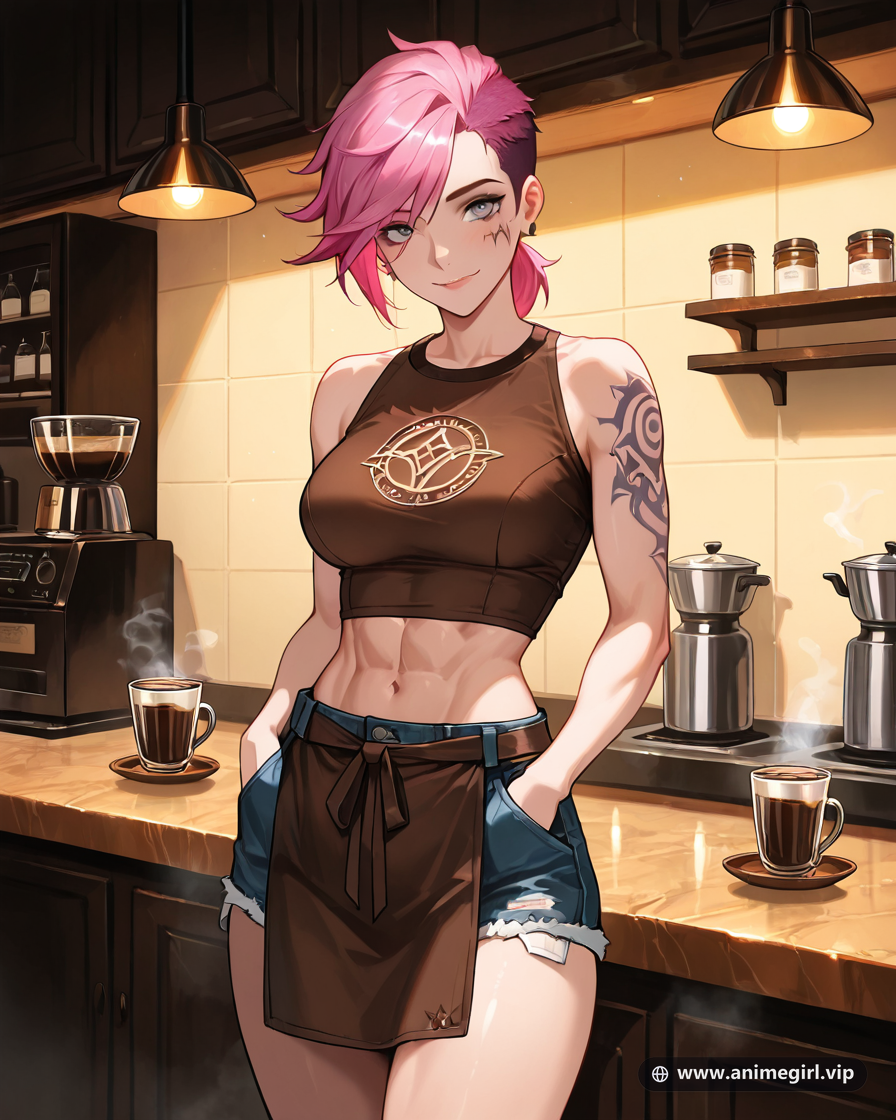
Why do certain anime illustrations stop you mid-scroll while others feel flat or artificial? The secret lies in how light interacts with skin, hair, and fabric at the microscopic level—a phenomenon digital painters call subsurface scattering (SSS) and chromatic shadow transition:
- The Warm Blood-Tone Terminator Line: On porcelain or sun-kissed anime skin, the boundary where direct light meets shadow (the terminator) should never be a muddy grey line. Introducing a soft coral-pink or warm peach saturation band along cheek and collarbone shadows makes the character look warm and alive.
- Hair Translucency Against Backlight: When a character stands in front of a sunset window, neon billboard, or moonlit sky, individual flyaway hair strands and bangs become semi-translucent. Prompting for
sunlight glowing through translucent bangs, fine floating hair strands, angel-ring hair specularrecreates this signature anime artbook polish. - Environmental Color Bounce: A heroine standing in a verdant summer meadow absorbs soft emerald bounce light along the underside of her jaw and sleeves; the same heroine on a rain-slicked cyberpunk balcony absorbs magenta and cyan reflections from wet asphalt puddles below.
Step-by-Step Studio Director Workflow: From Concept to Master Render
To get consistent, publication-ready illustrations inspired by The Evolution of the Gyaru in Anime: From Street Rebellion to Beloved Heroines inside the AnimeGirl.vip Studio, follow this four-stage creative director workflow used by top community artists:
- Stage 1 — Lock the Silhouette in 4:5 Feed Mode First: Before adding complex weather particles or background architecture, test your core character identity and outfit tokens in 4:5 Portrait mode (896×1152). Verify that the hair cut, eye color, and primary garment shader read cleanly at thumbnail size.
- Stage 2 — Introduce a Narrative Prop or Hand Gesture: Static arms hanging at the sides drain energy from a portrait. Give your heroine a purposeful action—holding a steaming teacup, resting fingers on a katana hilt, adjusting half-rim spectacles, or conjuring a luminous spell orb. Not only does this tell a story, it also anchors five-finger hand anatomy.
- Stage 3 — Apply Dual-Source Studio Lighting: Pair a primary warm directional key light (golden sunset, candle lantern, or amber café bulb) with a secondary cool rim light (moonlight, cyan rain reflection, or arcane glow) to carve the silhouette out from the backdrop.
- Stage 4 — Scale Up with 4x Batch & 9:16 Story Format: Once your prompt formula is dialed in, use Creator Tier’s ($9.99/mo) 9:16 Vertical Story Format (768×1344) and 4x Batch mode to generate full-screen mobile lockscreens with clean upper-sky negative space for smartphone clock widgets and zero watermarks.
Want Unwatermarked Master Renders, 9:16 Lockscreens & Commercial Rights?
Try any prompt from this guide free in our AI Anime Studio, or upgrade to Premium ($5.99/mo — 50 daily creations) or Creator ($9.99/mo — 100 daily creations + 9:16 vertical Story mode) with Priority GPU Queue, zero watermarks, private cloud storage, and full commercial licensing.
Frequently Asked Questions
What does 'Gyaru' mean in Japanese pop culture?
Gyaru is a Japanese transliteration of the English word 'gal'. It refers to a fashion subculture that originated in the 1990s, characterized by dyed hair, glamorous makeup, trendy clothing, and an outspoken, non-conformist attitude.
Why is Marin Kitagawa from My Dress-Up Darling so popular?
Marin Kitagawa won fans worldwide for her cheerful, non-judgmental personality, passion for otaku hobbies, and unconditional respect for Gojo's traditional Hina doll craft.
What is the difference between Kogal and Ganguro?
Kogal (kogyaru) focused on high school girls altering standard uniforms with loose socks and short skirts. Ganguro took the style to extremes with deep dark tans, white eye shadow/lipstick, and brightly bleached neon hair.
How did the portrayal of gyaru change in anime over time?
Early anime often portrayed gyarus as shallow delinquents or bullies. Modern anime subverted this trope, depicting gyaru characters as loyal, open-minded, emotionally mature, and deeply affectionate partners.
Discussion & Insights 4
What are your thoughts on The Evolution of the Gyaru in Anime: From Street Rebellion to Beloved Heroines? Share your perspective, theories, or favorite moments below!
Leave a Thought
Join the discussion — be respectful and enjoy the anime banter.