 AnimeGirl.vip
From Sukeban to Zaun: How Vi Evolves the Classic Anime Rebel Girl Archetype
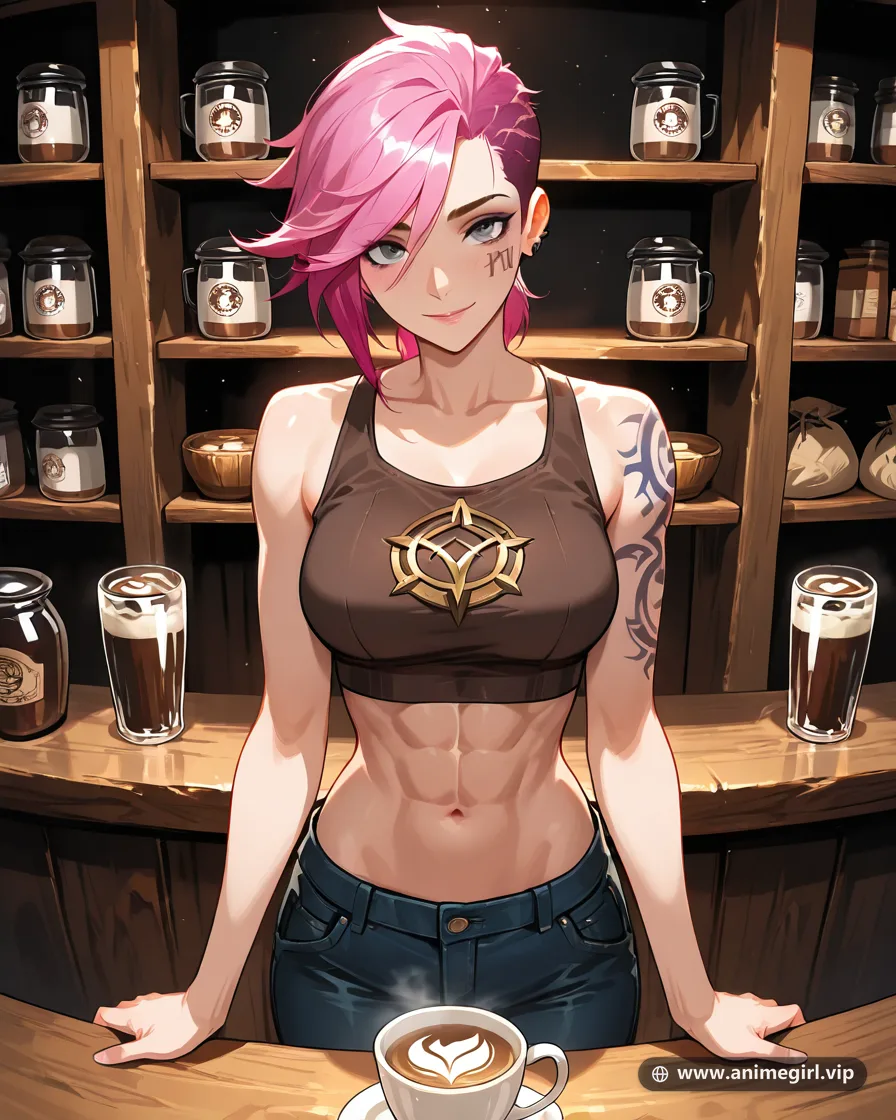
From the knife-wielding yoyo heroines of 1980s Sukeban Deka to the dual-pistol nihilism of Black Lagoon’s Revy and the fiery defiance of Ryuko Matoi in Kill la Kill, Japanese anime has always maintained a passionate love affair with the delinquent rebel girl. Yet all too often, this archetype falls into one of two traps: either she is treated as a fetishized novelty or flattened into a loudmouthed cartoon tomboy whose anger exists primarily for comedic relief.
In Arcane, Vi takes this decades-old anime legacy and elevates it into a masterclass in psychological realism. She possesses every hallmark of the legendary Sukeban (スケ番) rebel: the cropped leather jacket, the taped knuckles, the prison tattoos, and the instinctual distrust of law enforcement. But beneath the swagger lies an intensely grounded character study of grief, class struggle, and the heartbreaking burden of elder-sibling guilt.
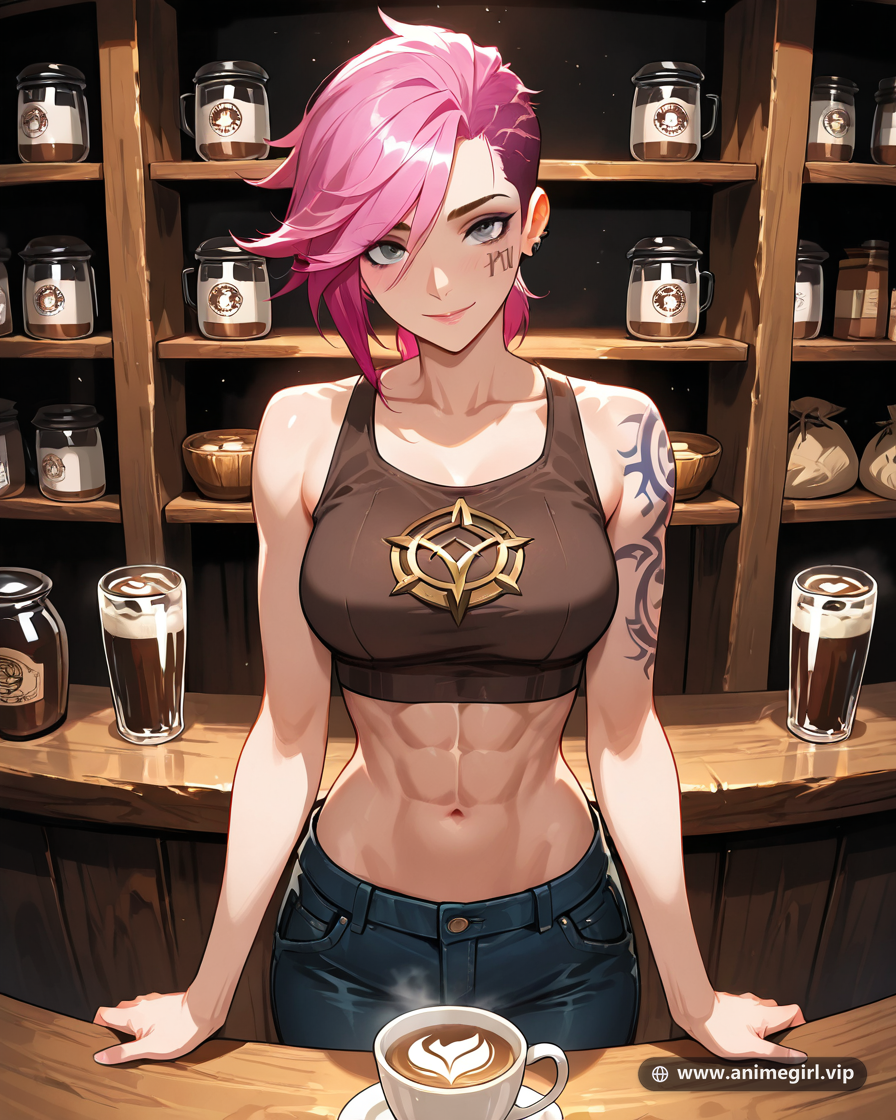
1. The Anatomy of Rebellion: Reinterpreting the Sukeban Visual Code
In mid-20th-century Japanese youth subcultures, young women who formed anti-establishment gangs adapted school uniform sailor suits by lengthening the skirts to their ankles, rolling up their sleeves, and carrying concealed weapon modifications. It was a rejection of the obedient, submissive archetype demanded of post-war Japanese daughters.
When you analyze Vi's wardrobe in Act 1 and Act 2 of Arcane, the lineage is undeniable. Her cropped red bolero jacket evokes the custom tailoring of delinquent leaders. Her hand wraps—stained with dirt and engine oil—mirror the sarashi chest-and-fist bindings worn by female yakuza figures in classic Showa-era cinema. But while Sukeban characters rebelled against rigid domestic expectations, Vi rebels against industrial slaughter: the brutal enforcers who gunned down her parents on the bridge of Piltover.
2. Brute Force as an Armor for Grief
The crucial difference between an amateur anti-hero and a legendary protagonist is why they punch. In poorly written action anime, delinquent characters fight because they enjoy causing destruction. Vi does not enjoy violence; she views violence as the only currency that corrupt enforcers and underground crime lords actually respect.
Every time Vi steps into a ring or squares up against Silco’s thugs, her aggression is a defensive wall erected to protect her younger sister, Powder. In the brilliant flashback sequences with Vander, we see her grappling with the devastating realization that physical strength cannot solve every problem. When she accidentally leaves Powder behind during the rescue attempt at the cannery, her violent breakdown in the rain is not an explosion of fury—it is the catastrophic collapse of a teenager who realized her fists were powerless to prevent tragedy.
Unlike male shonen protagonists whose journeys focus on becoming the strongest warrior in the world, Vi’s entire emotional engine is externalized. She measures her worth entirely by her ability to shield those who cannot fight for themselves. When she fails Powder, her self-worth plummets to absolute zero, driving her into a self-destructive spiral that makes her reunion in Act 3 so excruciatingly poignant.
3. Subverting the Tomboy Gaze: Romance Without De-Fangification
In conventional romantic anime narratives, tomboyish heroines are almost universally subjected to a de-fangification arc: by the final act, they let their hair grow long, put on a frilly skirt, and abandon their rough manners to signify that they are finally ready to be loved. It is an outdated, patronizing storytelling trope.
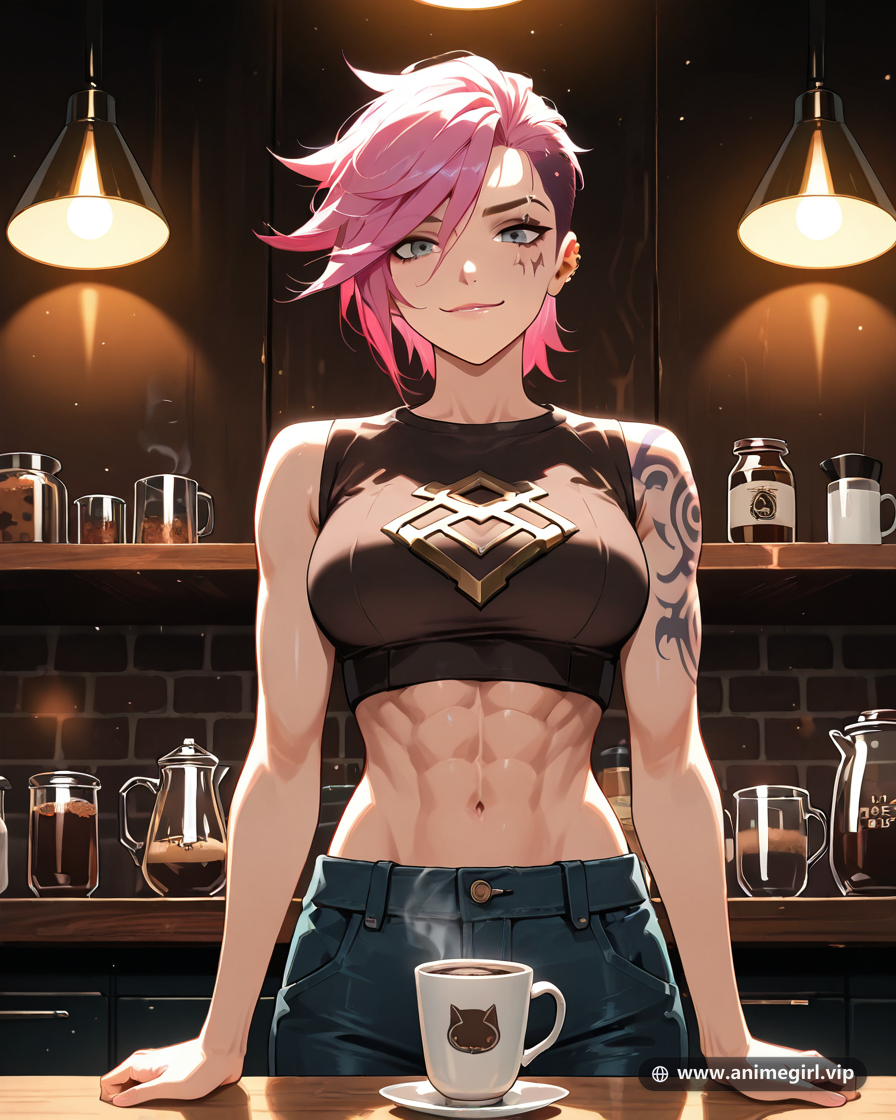
Arcane treats Vi and Caitlyn’s developing connection with supreme emotional honesty. Caitlyn is not attracted to Vi in spite of her roughness; she is drawn to Vi’s unyielding honesty, street-level empathy, and fierce protective spirit. Vi does not need to soften her jawline, put on a gown, or stop throwing hooks to be worthy of intimacy. In the rain-soaked alleyways of Zaun, her strength and her tenderness exist side by side.
Want Unwatermarked Master Renders, 9:16 Lockscreens & Commercial Rights?
Try any prompt from this guide free in our AI Anime Studio, or upgrade to Premium ($5.99/mo — 50 daily creations) or Creator ($9.99/mo — 100 daily creations + 9:16 vertical Story mode) with Priority GPU Queue, zero watermarks, private cloud storage, and full commercial licensing.
Frequently Asked Questions
What is a Sukeban in anime and manga history?
Sukeban refers to Japanese delinquent schoolgirl gang leaders popular in 1970s and 80s anime, characterized by customized sailor uniforms, razor blades, fierce loyalty, and anti-authoritarian attitudes.
How does Vi connect to characters like Revy (Black Lagoon) and Ryuko Matoi (Kill la Kill)?
Like Revy and Ryuko, Vi uses raw aggression as a defense mechanism to mask deep childhood trauma, fiercely protecting an inner moral code despite living in a ruthless criminal underworld.
What makes Vi different from classic one-dimensional anime tomboys?
Vi is never reduced to just "one of the boys" for comedic relief; her narrative treats her anger, protective instinct toward Powder, and genuine vulnerability with dramatic depth.
Why do fans connect so deeply with Vi's anti-establishment attitude?
Vi's rebellion is not teenage angst; it is a justified reaction against the systemic oppression of Zaun by Piltover's corrupt enforcers, giving her street fights genuine narrative purpose.
Discussion & Insights 4
What are your thoughts on From Sukeban to Zaun: How Vi Evolves the Classic Anime Rebel Girl Archetype? Share your perspective, theories, or favorite moments below!
Leave a Thought
Join the discussion — be respectful and enjoy the anime banter.